How to Choose Quality Over Quantity in Fashion is a guiding principle that can transform not only your wardrobe but also your entire approach to personal style. In a world inundated with fast fashion and cheap trends, understanding the significance of high-quality garments helps you cultivate a wardrobe that reflects your true self while ensuring longevity and sustainability. It’s time to explore how selecting quality pieces over quantity can enhance your confidence, reduce clutter, and contribute positively to the environment.
As we delve into the characteristics of quality clothing, recognizing the types of fabrics and craftsmanship that define exceptional apparel becomes vital. By assessing clothing effectively and building a capsule wardrobe filled with timeless pieces, you can make informed purchasing decisions that align with both your style and values.
Importance of Quality in Fashion
Choosing quality over quantity in fashion is essential not only for personal style but also for sustainability. The emphasis on high-quality garments can lead to a more curated and timeless wardrobe, enhancing both the aesthetic appeal and the practicality of clothing choices. Investing in quality pieces translates to wearing garments that stand the test of time, fostering a deeper connection to one’s wardrobe and making fashion choices that are more intentional.High-quality clothing significantly impacts the durability and longevity of garments.
Quality fabrics and craftsmanship ensure that clothes endure regular wear and tear, reducing the frequency of replacements. This durability not only saves money in the long run but also minimizes waste. For example, a well-constructed wool coat can last for decades, while a cheaper synthetic alternative may begin to show signs of wear after just a few months. Consistently wearing quality items can also enhance personal style, as these garments often have better fits and finishes, allowing individuals to express themselves confidently.
Influence of Quality on Personal Style and Confidence
The influence of quality in fashion plays a pivotal role in defining personal style and boosting confidence. Quality garments have unique characteristics that contribute to an individual’s overall appearance and self-perception. When clothing fits well and is made from luxurious materials, it tends to elevate the wearer’s confidence and demeanor.
Timeless Aesthetic
High-quality pieces often feature classic designs that do not go out of style quickly. This timelessness allows individuals to cultivate a personal style that remains relevant across seasons and trends.
Enhanced Comfort
Premium materials such as silk, cashmere, and fine cotton offer superior comfort compared to lower-quality fabrics. Comfortable clothing can lead to a more relaxed and self-assured posture.
Versatility
Quality garments are typically more versatile, easily transitioning from casual to formal settings. For instance, a tailored blazer can be paired with jeans for a smart-casual look or worn with dress pants for a professional setting.
“Quality clothing fosters a connection between the wearer and their personal style, ultimately building confidence in their appearance.”
Environmental Benefits of Choosing Quality Over Quantity
Choosing quality clothing contributes significantly to environmental sustainability. The fast fashion industry has been criticized for its detrimental impact on the planet. By opting for high-quality garments, consumers can help mitigate environmental damage in several ways.
Reduction of Waste
Quality clothing has a longer lifespan, reducing the number of garments that end up in landfills. According to the Environmental Protection Agency (EPA), approximately 17 million tons of textile waste are generated each year.
Lower Resource Consumption
Producing fewer high-quality items uses fewer resources compared to mass-producing low-quality clothing. This includes water, energy, and raw materials, which are often overexploited in the fast fashion industry.
Support for Ethical Practices
Many brands that focus on quality over quantity adopt sustainable and ethical production practices. This includes fair labor conditions and environmentally friendly materials, making a positive contribution to the fashion industry.By embracing quality fashion, individuals not only curate a meaningful wardrobe but also contribute to a more sustainable future.
Key Characteristics of Quality Clothing
When it comes to investing in your wardrobe, understanding the key characteristics that define quality clothing can make a significant difference. Quality clothing not only enhances your style but also promises durability and comfort. This section dives into the essential aspects that characterize high-quality garments, emphasizing fabric types, craftsmanship, and notable brands that prioritize quality over quantity.
Fabric Types that Signify Quality
The choice of fabric plays a crucial role in determining the quality of clothing. High-quality fabrics tend to have unique properties that contribute to both the appearance and longevity of garments. Here are some fabric types associated with superior quality:
- Wool: Known for its warmth and breathability, quality wool can resist wrinkles and maintain its shape over time. Merino wool is particularly prized for its softness and moisture-wicking capabilities.
- Silk: A luxurious fabric that is celebrated for its smooth texture and natural sheen, silk drapes beautifully and feels comfortable against the skin. It is also lightweight and durable when cared for properly.
- Cotton: While cotton is common, high-quality cotton varieties like Egyptian or Pima cotton are known for their extra-long fibers, resulting in a softer and more durable fabric with a refined finish.
- Linen: Made from the flax plant, linen is valued for its breathability and moisture-wicking properties. Quality linen has a crisp appearance, and it softens over time while maintaining its structure.
- Denim: Quality denim is typically heavier and made from raw materials that provide durability and a unique character. Brands that use selvedge denim, for instance, offer a tighter weave that enhances longevity.
Significance of Craftsmanship and Stitching
The craftsmanship involved in the making of clothing greatly affects its overall quality. Attention to detail in stitching and finishing touches can enhance not just the aesthetic appeal but also the durability of garments. Here are some characteristics that signify quality craftsmanship:
- Stitching Techniques: Quality clothing often features techniques like double stitching or reinforced seams, which provide additional strength and reduce the likelihood of seams ripping.
- Pattern Matching: In well-made garments, patterns on the fabric align perfectly at seams, which speaks to the skill involved in garment construction.
- Proper Hemming: A well-finished hem should not only be neat but also durable. Techniques such as blind hemming or double-turned hems are indicators of superior quality.
- Use of Quality Zippers and Buttons: High-quality clothing uses durable zippers and buttons that are functional and aesthetically pleasing, adding to the garment’s longevity and overall look.
- Careful Finishing: Inspecting the garment for loose threads or unfinished edges is crucial. A quality piece will show no signs of raw edges or unfinished details.
Brands Known for Commitment to Quality
Several brands have built their reputation on a commitment to quality, ensuring that their clothing stands the test of time. These brands are often recognized for their superior materials, craftsmanship, and ethical production practices. Here are a few noteworthy examples:
- Patagonia: Renowned for their sustainable approach, Patagonia uses high-quality materials while promoting environmental responsibility.
- Everlane: Known for transparency in pricing and sourcing, Everlane produces timeless pieces using high-quality fabrics that are designed to last.
- Rag & Bone: This brand merges classic tailoring with modern aesthetics, using premium materials and meticulous craftsmanship in every piece.
- Brooks Brothers: A heritage brand that has maintained its reputation for quality through meticulous attention to fabric and classic tailoring techniques.
- Acne Studios: This brand is not only known for its stylish designs but also for using high-quality materials and innovative production techniques.
Evaluating Clothing Quality
When it comes to building a wardrobe that prioritizes quality over quantity, understanding how to evaluate clothing quality is essential. This involves assessing various elements such as fabric, construction, and fit, which can significantly impact the garment’s longevity and overall aesthetic. Knowing what to look for can transform your shopping experience, whether you’re scouring thrift stores or browsing online shops.
Checklist for Assessing Fabric, Construction, and Fit
A systematic approach can help in evaluating clothing quality effectively. Below is a checklist that covers the essential aspects you should consider:
- Fabric: Consider the texture, weight, and breathability. Look for natural fibers like cotton, wool, silk, or linen instead of synthetic materials.
- Construction: Inspect seams for tight stitching and check for any loose threads. High-quality garments often have double-stitched seams and reinforced areas.
- Fit: Ensure that the garment fits well in the shoulders, chest, and waist. A proper fit enhances the overall appearance and comfort, making it more versatile.
Identifying Quality Clothing in Thrift Stores and Online Shopping
Finding quality clothing, especially in thrift stores or online, requires a keen eye and a little know-how. Here are some methods to help you spot quality garments:
- Thrift Stores: Look for items from reputable brands known for their quality. Check labels for fabric composition and care instructions.
- Online Shopping: Read customer reviews and check the return policy. Examine product descriptions closely, focusing on fabric details and construction.
- Visual Inspection: Look for signs of wear such as pilling, fading, or irregular stitching that can indicate poor quality.
Comparison of Different Materials and Their Quality Implications
The material from which a garment is made can significantly influence its durability, comfort, and maintenance. Here’s a breakdown of common fabrics and their quality implications:
- Cotton: Soft and breathable, cotton is versatile but can shrink or fade. Organic cotton is a higher-quality option that is also environmentally friendly.
- Wool: Known for its warmth and durability, wool can be itchy for some. Merino wool is a high-quality variant that is softer and moisture-wicking.
- Silk: Luxurious and smooth, silk drapes beautifully but requires careful maintenance to avoid damage. Look for 100% silk for the best quality.
- Polyester: Durable and wrinkle-resistant, but can trap heat and moisture. High-quality polyester blends can offer a good balance of comfort and durability.
High-quality clothing is an investment that pays off through longevity and style.
Building a Capsule Wardrobe
Creating a capsule wardrobe is an excellent strategy for anyone looking to streamline their clothing collection while emphasizing quality over quantity. A well-curated wardrobe not only simplifies daily outfit choices but also ensures that every piece you own is versatile, stylish, and enduring. This minimalist approach to fashion allows for a cohesive look regardless of occasion, ensuring you always look put-together without excessive clutter.The process of building a capsule wardrobe involves careful planning and consideration of your lifestyle, personal style, and the quality of each garment.
By focusing on essential clothing items and their functionality, you can develop a wardrobe that effortlessly mixes and matches to create numerous outfits. Below, we’ll Artikel the key steps and essential items needed to assemble your quality-focused capsule wardrobe.
Step-by-Step Guide to Creating a Capsule Wardrobe
To successfully develop a capsule wardrobe, follow these essential steps:
1. Evaluate Your Current Wardrobe
Assess what you currently own, keeping only those items that you love and wear regularly. Donate or discard pieces that don’t fit or that you haven’t worn in over a year.
2. Identify Your Style
Determine your personal style by looking at the clothing you feel most comfortable and confident in. This will guide your selections moving forward.
3. Choose a Color Palette
Select a cohesive color palette that complements your skin tone and can be mixed and matched easily. Aim for a mix of neutrals and a few accent colors.
4. List Essential Items
Identify the key pieces that will form the foundation of your wardrobe. Focus on quality essentials that can be dressed up or down.
5. Plan For Versatility
Choose items that can be easily layered or paired with one another to maximize outfit options.
6. Set a Limit
While there is no strict number of pieces to include, aim for around 30-40 items for a balanced capsule wardrobe that includes clothing, shoes, and accessories.
Essential Items for a Quality-Focused Capsule Wardrobe
When curating your wardrobe, consider incorporating these essential items:
Classic White Shirt
A timeless piece that can be dressed up with a blazer or dressed down with jeans.
Tailored Blazer
Perfect for both professional and casual looks, a well-fitted blazer elevates any outfit.
Quality Denim
Invest in a pair of well-fitting jeans that flatter your figure and can transition through seasons.
Versatile Dresses
Choose a simple dress that can be accessorized differently for various occasions, be it casual or formal.
Comfortable Footwear
A pair of classic loafers and versatile ankle boots that provide comfort without sacrificing style.
Cashmere Sweater
A luxurious yet practical addition that adds warmth and sophistication to any outfit.
Mixing and Matching Quality Pieces
The beauty of a capsule wardrobe lies in the ability to create multiple outfits from a limited selection. Here’s how to maximize your outfit options:
Layering
Use layering techniques to adapt to varying weather conditions. For instance, a turtleneck can be worn under a dress or paired with a blazer for additional sophistication.
Accessorizing
Accessories such as scarves, belts, and jewelry can transform a simple outfit, providing fresh looks without requiring new clothing.
Color Coordination
Stick to your chosen color palette. This allows for effortless combinations; each piece should complement others, enhancing versatility.
Mixing Textures
Combine different fabrics and textures for visual interest. For example, pairing a denim jacket with a silk blouse creates a balanced yet chic look.By focusing on these key principles, you’ll find that building a capsule wardrobe not only respects your values of quality over quantity but also empowers your personal style. A well-thought-out selection of high-quality pieces will serve you well, making every outfit an expression of your individuality.
The Cost of Quality vs. Quantity
Investing in quality clothing often comes with a higher upfront cost, but the long-term financial benefits can be significant. While it might seem more economical to purchase multiple fast fashion pieces, the durability and timelessness of quality garments lead to better value over time. Choosing quality over quantity not only enhances your wardrobe but also impacts your overall financial health in a positive way.The financial advantages of investing in quality clothing are manifold.
Quality items tend to last longer, require fewer replacements, and often offer better performance in terms of comfort and style. Over time, these savings can add up substantially, making the initial investment in quality garments a smart financial choice. Unlike cheaper alternatives, which often wear out quickly, a well-made piece can stay in your wardrobe for years, reducing the frequency of shopping trips and the need for constant replenishment.
Budgeting Strategies for Purchasing Quality Clothing
Creating a budget that accommodates quality clothing is essential for any fashion-conscious consumer. By following strategic budgeting techniques, you can allocate funds for quality pieces while still maintaining financial balance. Here are some effective strategies to consider:
- Prioritize your purchases: Identify key wardrobe essentials that will provide the most versatility and longevity.
- Invest in timeless pieces: Focus on classic styles that won’t go out of fashion quickly, ensuring that you get maximum wear.
- Set a savings goal: Create a dedicated fund for wardrobe investments, allowing you to save up for quality items without straining your finances.
- Look for sales and discounts: Take advantage of seasonal sales, outlet stores, or secondhand shops to find quality items at reduced prices.
By applying these budgeting strategies, you can successfully integrate high-quality clothing into your wardrobe without compromising your financial stability.
Resale Value of Quality Garments
Quality clothing often retains its value far better than fast fashion items, making it a financially savvy choice for the long run. When considering the resale market, high-quality garments typically fetch higher prices, allowing you to recoup some of your initial investment when you decide to sell. In contrast, fast fashion items often depreciate rapidly, leading to losses when you attempt to resell.Factors that influence the resale value of clothing include brand reputation, material quality, and overall condition.
High-end brands tend to have a loyal following, which can drive up resale prices. Additionally, items made from premium materials, such as wool or silk, are often more desirable in the secondhand market. Maintaining your garments in good condition is crucial; regular cleaning and proper storage can significantly enhance their resale value. Investing in quality clothing not only elevates your personal style but also serves as a smart financial decision, offering long-term benefits that far outweigh the initial cost.
Sustainable Fashion Choices
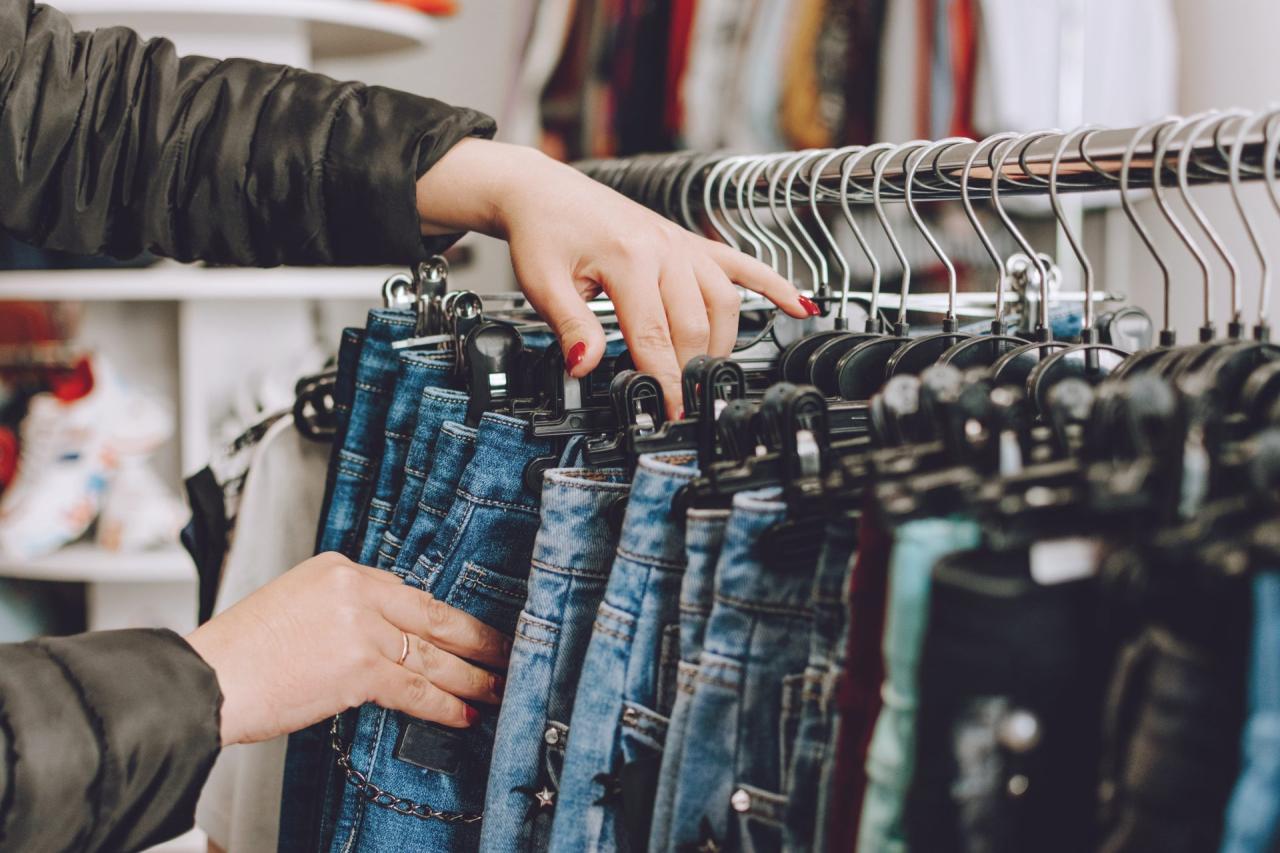
Choosing quality clothing is not just about enhancing personal style; it significantly contributes to sustainability in the fashion industry. By opting for well-made garments that last longer, consumers play a pivotal role in reducing waste and the overall need for fast fashion, which is notorious for its environmental impact. Sustainable fashion focuses on ethical production processes that respect both people and the planet, making informed choices crucial.Quality clothing contributes to sustainability primarily by minimizing waste and resource consumption.
When consumers invest in durable pieces, they are less likely to discard them after a few wears. This shift from a fast fashion mentality to a more sustainable approach helps decrease the demand for new garments, thereby reducing the environmental footprint associated with manufacturing processes. Moreover, quality items often utilize eco-friendly materials and ethical labor practices, reinforcing the importance of conscious consumerism in fashion.
Eco-Friendly Brands That Prioritize Quality
Several brands stand at the forefront of combining quality with sustainability, offering consumers responsible choices without sacrificing style. Here are a few noteworthy brands that embody this ethos:
- Patagonia: Renowned for its commitment to environmental responsibility, Patagonia creates high-quality outdoor apparel using recycled materials and advocates for fair labor practices.
- Eileen Fisher: This brand emphasizes timeless designs and sustainable materials, focusing on reducing waste through a take-back program where customers can return used items for recycling.
- Reformation: A leader in sustainable fashion, Reformation prioritizes eco-friendly fabrics and transparent supply chains while producing stylish, quality clothing.
- Everlane: Known for its radical transparency, Everlane offers high-quality, ethically produced basics that prioritize sustainable practices.
- Amour Vert: This brand is dedicated to producing clothing that is both stylish and sustainable, using eco-friendly materials and ensuring zero waste in its production process.
These brands not only provide beautiful clothing but also contribute positively to the environment and society, allowing consumers to make fashion choices that align with their values.
Second-Hand Shopping and Its Role in Sustainability
Second-hand shopping has gained significant traction as a pivotal player in promoting both quality and sustainability in fashion. By purchasing pre-owned garments, consumers extend the lifecycle of clothing, reducing the demand for new production and minimizing waste.The benefits of second-hand shopping include:
- Waste Reduction: Every piece of clothing purchased second-hand is one less item that ends up in a landfill, making it an environmentally friendly choice.
- Quality Finds: Many second-hand items are high-quality pieces that have stood the test of time, offering excellent value compared to new, lower-quality fast fashion items.
- Unique Style: Thrift stores and vintage shops often carry unique items that allow individuals to express their personal style in a way that mass-produced clothing cannot.
- Support for Charities: Many thrift stores operate as non-profits, meaning that purchases contribute to charitable causes, combining fashion with philanthropy.
By embracing second-hand shopping, consumers not only invest in quality pieces but also champion a sustainable future for fashion. This practice fosters a culture of reusing and recycling, essential for combating the negative impacts of the fashion industry on our planet.
Mindful Consumption in Fashion: How To Choose Quality Over Quantity In Fashion
Adopting a mindful shopping approach in fashion encourages consumers to make thoughtful decisions about their wardrobe. This journey not only prioritizes quality over quantity but also fosters a deeper connection with the clothes we wear. Embracing mindful consumption can lead to a more satisfying and sustainable lifestyle by emphasizing intentionality in our purchases.The psychological benefits of reducing clutter through quality purchases extend beyond mere aesthetics.
A curated wardrobe filled with high-quality pieces can alleviate the stress associated with decision fatigue and promote a sense of calm and order. When every item has been thoughtfully chosen, it contributes to a cohesive style, making daily outfit selection much easier and more enjoyable.
Strategies for Mindful Shopping, How to Choose Quality Over Quantity in Fashion
Implementing mindful shopping strategies can help resist the allure of fast fashion trends in favor of timeless pieces. This approach not only enhances your wardrobe but also supports sustainable practices in the fashion industry. Here are some effective strategies to consider:
1. Research Brands and Materials
Before making a purchase, take the time to research the brands you’re interested in. Look for companies that emphasize ethical production, sustainable materials, and transparent practices. This knowledge helps you make informed choices that align with your values.
2. Create a Shopping List
Develop a list of items you genuinely need or want, based on your lifestyle and existing wardrobe. This list serves as a guide, preventing impulsive buys that often lead to unnecessary clutter.
3. Invest in Timeless Pieces
Focus on acquiring classic styles that will remain fashionable over time. Items like a well-tailored blazer, a little black dress, or a quality pair of jeans are versatile and can be styled in various ways, ensuring longevity in your closet.
4. Practice Delayed Gratification
When tempted by a trendy item, give yourself a waiting period (e.g., 30 days) before purchasing. This pause allows you to evaluate whether the item fits your style and needs, reducing impulse buys.
5. Schedule Regular Wardrobe Audits
Periodically assess your wardrobe to identify pieces that you no longer wear or need. This practice not only declutters your space but also reinforces the habit of quality over quantity, as you’ll become more mindful of your clothing choices.
6. Consider Second-Hand Shopping
Explore thrift stores or online resale platforms for quality clothing at lower prices. This not only supports sustainable fashion but also allows you to find unique pieces that tell a story.
7. Embrace Minimalism
Shift your mindset towards minimalism by recognizing the value of simplicity and functionality in your wardrobe. This approach encourages you to appreciate what you own, fostering a more meaningful relationship with your clothing.
“Quality over quantity creates a wardrobe that feels more like a handpicked collection than a chaotic assortment.”
By incorporating these strategies into your shopping routine, you can cultivate a more mindful approach to fashion that prioritizes quality and sustainability, while also enjoying the psychological benefits of a decluttered and intentional wardrobe.