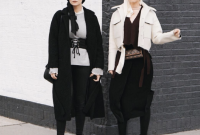
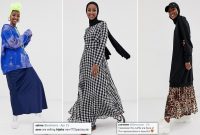
How to Layer Outfits for Modest Fashion is all about finding that perfect balance between style and decorum. In today’s world, modest fashion is not just about covering up; it’s a vibrant expression of personal style that celebrates cultural influences and individual creativity. As trends evolve, layering has become a key technique to showcase your unique fashion sense while adhering to modesty principles.
This guide will explore the fundamentals of layering in modest fashion, highlighting essential components, color combinations, and accessorizing methods. Whether you’re dressing for a formal occasion or a casual outing, layering can elevate your outfit, making it both stylish and appropriate.
Understanding Modest Fashion
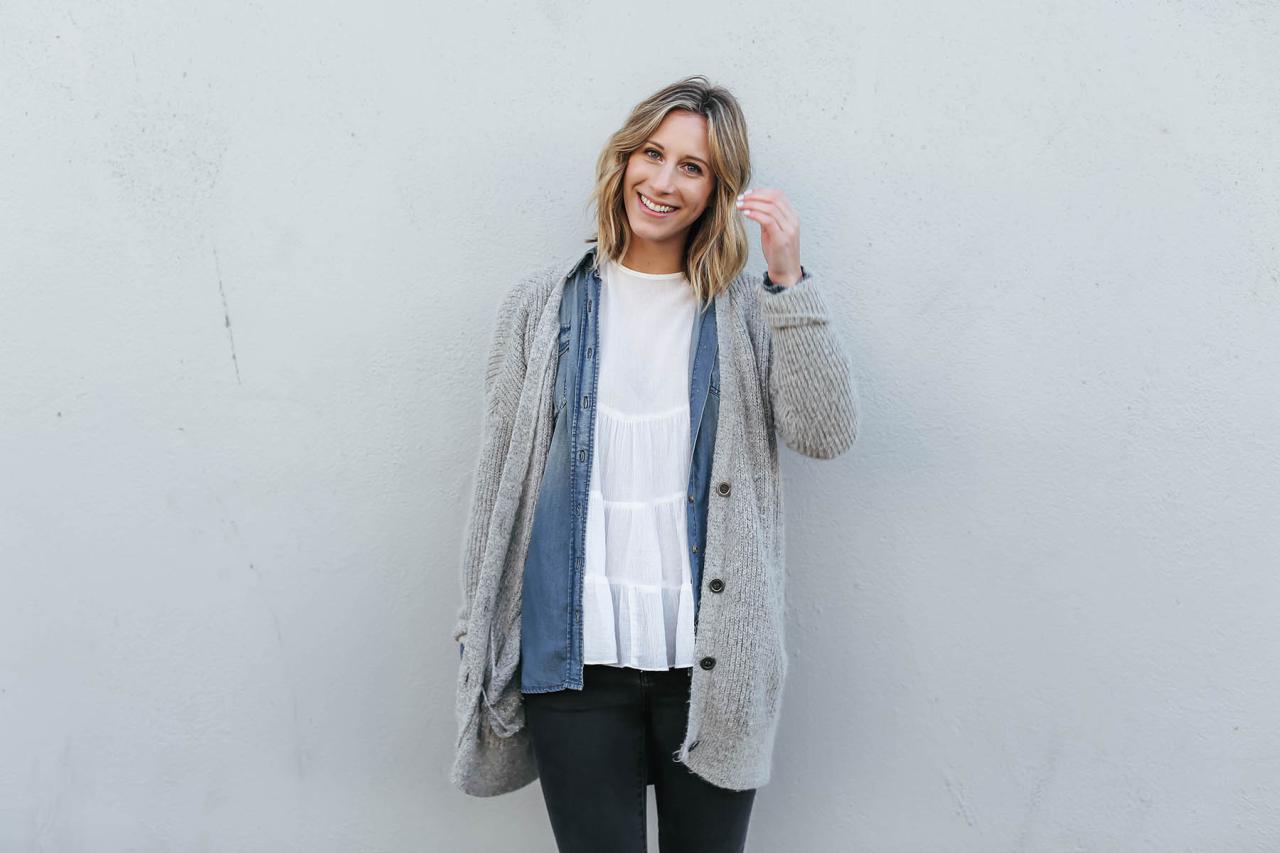
Modest fashion encapsulates a unique blend of style, culture, and personal expression that prioritizes coverage and sophistication. It is not merely about dressing conservatively; instead, it represents a significant movement within the fashion industry that caters to the aesthetic values and lifestyle choices of individuals seeking an alternative to mainstream fashion narratives. The principles of modest fashion are rooted in the desire for both elegance and individuality while maintaining a level of personal and cultural integrity.The significance of modest fashion extends beyond mere clothing.
It is a reflection of diverse cultural identities and personal beliefs, allowing individuals to express their values through their wardrobe choices. As the global fashion landscape continues to evolve, modest fashion is increasingly recognized for its ability to offer stylish options that respect cultural and religious norms. This movement transcends geographical boundaries, celebrating the common thread of modesty while embracing variations influenced by local traditions and modern trends.
Cultural Influences on Modest Fashion Trends
The cultural influences on modest fashion are vast and varied, showcasing how distinct societal values shape personal style. Across different regions, modest fashion draws inspiration from historical traditions, religious practices, and contemporary fashion movements. For instance, the Middle Eastern fashion scene often integrates rich textiles and patterns that reflect local heritage, while Western interpretations may incorporate minimalist designs that emphasize simplicity and elegance.The impact of globalization has further diversified modest fashion trends, introducing fusion styles that combine elements from different cultures.
This blending not only enriches the fashion landscape but also promotes cross-cultural understanding and acceptance.
- In South Asia, traditional garments like the salwar kameez and lehenga have been modernized to cater to younger generations while still adhering to modesty principles.
- In Europe and North America, many brands are emerging that focus on modest fashion, incorporating elements such as longer hemlines, layered outfits, and oversized silhouettes into their collections, appealing to consumers who value both style and modesty.
- Social media platforms play a crucial role in shaping and spreading modest fashion trends as influencers showcase their unique interpretations, encouraging a wider audience to embrace this style.
Evolution of Modest Fashion Over the Years
The evolution of modest fashion has witnessed significant growth, adapting to societal changes and consumer demands. Initially regarded as niche, modest fashion has transitioned into a mainstream phenomenon, driven by a growing awareness of diversity and inclusivity in fashion. This evolution can be illustrated through various stages:
-
The rise of modest fashion began in the early 2000s with the emergence of designer labels that catered specifically to modest wear, creating a space for stylish yet covered options.
- The 2010s marked a turning point with increased representation of modest fashion on international runways, showcasing collections that merged traditional styles with contemporary trends.
- Today, the modest fashion market is thriving, with numerous brands dedicated exclusively to this movement, reflecting the demand for clothing that resonates with individual values while remaining fashionable.
Overall, modest fashion continues to redefine boundaries, proving that style and modesty can coexist harmoniously. As this movement progresses, it opens doors for further innovation, encouraging individuals to express their identities through their choices in wardrobe.
Key Elements of Layering
Layering is an essential technique in modest fashion that allows individuals to express their style while maintaining comfort and coverage. Understanding the key elements involved in effective layering can elevate any outfit, making it both sophisticated and practical. When done right, layering can enhance proportions, add visual interest, and adapt to varying weather conditions seamlessly.One of the fundamental aspects of layering is the careful selection of pieces that complement each other in terms of silhouette and fit.
Balancing proportions plays a significant role in achieving a polished look. Here are some methods to ensure your layered outfits maintain a harmonious silhouette:
Balancing Proportions in Layered Outfits
Creating a balanced silhouette when layering can accentuate your figure while keeping the outfit modest. It’s important to mix different lengths and shapes to create dimension without overwhelming your frame. Here are some strategies to consider:
- Start with a fitted base layer, like a turtleneck or a fitted top, to create a streamlined foundation.
- Add a mid-length layer, such as a cardigan or a tunic, which should fall at or below the hips to elongate the look.
- Incorporate outer layers, like a long coat or a kimono, that provide structure while maintaining fluidity in movement.
The interplay between these layers can create a flattering shape that enhances your natural lines.
Importance of Texture and Fabric Choice in Layering
Texture and fabric are crucial in layering, as they contribute to the overall aesthetic and comfort of the outfit. Choosing the right materials can add depth and interest, making even the simplest combinations stand out. Consider the following elements when selecting fabrics:
- Mix heavier fabrics, such as wool or denim, with lighter materials like cotton or linen. This contrast not only adds visual appeal but also provides comfort.
- Opt for layering pieces with varied textures; for instance, pairing a chunky knit sweater with a smooth satin skirt can create a beautiful juxtaposition.
- Consider how fabrics drape and move. Flowing materials like chiffon can soften structured pieces, allowing for movement and elegance.
Moreover, the choice of color and pattern in relation to texture can unify your look.
“Layering is not just about warmth; it’s an art of combining different elements to create a cohesive style.”
Each of these elements serves to elevate your modest outfits, creating a unique and personal expression of fashion that is both respectful and stylish.
Combining Colors and Patterns
Layering outfits in modest fashion can be both a creative and strategic endeavor, particularly when it comes to selecting the right colors and patterns. Understanding how to blend various hues and prints not only enhances your overall look but also ensures that the outfit remains stylish yet respectful of modesty principles.Color theory plays a crucial role in creating layered outfits that are visually appealing.
It revolves around understanding the color wheel and how different colors interact with one another. Utilizing the concepts of complementary, analogous, and triadic color schemes can help in crafting outfits that are cohesive and striking. For modest fashion, it’s essential to select colors that not only suit your skin tone but also harmonize well together, creating a balanced aesthetic.
Mixing and Matching Patterns
Combining patterns can elevate a modest outfit while maintaining elegance. The key to successful pattern mixing lies in the scale and type of patterns chosen. Here are several methods to create a harmonious look with patterns:
1. Play with Scale
Pair a larger pattern with a smaller one to avoid overwhelming the outfit. For example, a large floral print dress can be layered with a thin striped cardigan.
2. Stick to a Color Palette
Choosing patterns that share a common color will unify your look. A polka dot top in navy can be paired with a floral skirt that features navy accents among other colors.
3. Use Neutral Backgrounds
Patterns with a neutral background can serve as a versatile base. For instance, a white base floral blouse can be layered under a patterned kimono, allowing the layered look to remain modest yet chic.
4. Texture Matters
When mixing patterns, consider incorporating different textures. A knitted sweater over a printed dress adds dimension without clashing.
5. Balance Busy Patterns with Solid Colors
If one layer is particularly busy with patterns, balance it with solid colors in the other layers. A patterned maxi skirt can be perfectly complemented with a simple, solid-colored top.By integrating these methods, you can achieve a stunning ensemble that demonstrates your unique style while adhering to modest fashion principles.
“Layering is not just about adding clothes; it’s about creating a story with colors and patterns.”
Harmonizing color palettes is essential when layering outfits. One effective method involves selecting colors that evoke feelings and complement each other. Here are some approaches to ensure your color palette remains cohesive:
Use the Color Wheel
Select colors that are next to each other on the wheel for a more subtle look, or choose those that are opposite for a more dynamic contrast.
Monochromatic Schemes
Layer different shades of the same color. For example, varying shades of blue can add depth and interest while remaining within a single color family.
Accent Colors
Once you have a primary color scheme established, consider introducing one or two accent colors to break the monotony and add pops of interest.
Seasonal Considerations
Certain colors resonate more during different seasons; for instance, pastels are lovely in spring, while deep jewel tones shine in fall.Through thoughtful combination of colors and patterns, modest outfits can reflect personal style while remaining sophisticated and appropriate. This exploration of layering not only enhances your fashion sense but also establishes a unique visual identity that celebrates modesty.
Layering Techniques for Different Occasions: How To Layer Outfits For Modest Fashion
Layering outfits is an essential skill in modest fashion, allowing for versatility and style across various settings. Whether attending a formal event, enjoying a casual outing, or transitioning from day to night, the right layering techniques can elevate your look while maintaining modesty and comfort. Below are some strategies tailored for different occasions, ensuring you feel confident and stylish no matter where you’re headed.
Layering Strategies for Formal Events
When it comes to formal events, the key is to strike a balance between elegance and modesty. Layering can help create a polished look that adheres to modest fashion principles while allowing you to express your personal style. Consider the following layering strategies:
- Opt for a tailored blazer over a midi dress. This combination not only offers structure but also adds sophistication.
- Choose a long, flowing duster coat paired with a fitted dress. This approach enhances the outfit’s silhouette and adds depth.
- Incorporate a dressy scarf or shawl to add an extra layer that can be easily adjusted based on comfort and style preferences.
“The right layers can turn a simple outfit into a statement piece for formal gatherings.”
Tips for Casual Outings Using Layered Outfits
For casual outings, layering offers a relaxed yet stylish approach to dressing modestly. The goal is to create an outfit that feels comfortable while being visually appealing. Here are some tips to master casual layering:
- Start with a solid base, such as a long-sleeve tee or a soft turtleneck, which can be paired with jeans or wide-leg trousers.
- Add a lightweight cardigan or open-front kimono for a casual yet chic touch. This adds dimension without sacrificing comfort.
- Don’t shy away from playful patterns or textures. Mixing a striped top with a floral scarf can create a lively and interesting outfit.
“Layering for casual outings allows for creativity while keeping the ensemble effortlessly stylish.”
Transitioning Layered Looks from Day to Night
Transitioning your layered outfit from day to night can be seamless with a few thoughtful adjustments. Here’s how to make your look versatile enough for any time:
- Swap out daytime accessories like a tote bag for a structured clutch or crossbody bag in a bold color.
- Change your shoes from comfortable flats to elegant heeled boots or strappy sandals to elevate the look instantly.
- Introduce statement jewelry, such as bold earrings or a layered necklace, to add a touch of glamour for the evening.
“Small changes can transform your daytime layers into a sophisticated evening ensemble.”
Accessorizing Layered Outfits
Accessorizing plays a crucial role in enhancing layered outfits, especially in the context of modest fashion. Accessories not only elevate a look but also allow for personal expression while maintaining the core values of modesty. The right accessories can transform a simple layered outfit into a stunning ensemble, adding depth and personality.When it comes to modest layered outfits, selecting the right accessories can make all the difference.
From scarves to jewelry, each piece can complement and enhance your overall appearance. It’s essential to know which accessories work best with different layers to achieve a balanced and stylish look.
Essential Accessories for Modest Layered Outfits, How to Layer Outfits for Modest Fashion
Understanding key accessories can help streamline the process of styling layered looks. Below is a list of essential accessories that will elevate your modest outfits while keeping them stylish and elegant:
- Scarves: Versatile and available in various fabrics and patterns, scarves can be worn in numerous ways to add both warmth and flair to your outfit.
- Belts: A well-placed belt can define the waist and create a polished look, especially when layered with longer tops or dresses.
- Statement Jewelry: Bold necklaces, earrings, or bracelets can draw attention and serve as focal points in layered outfits without compromising modesty.
- Hats: A stylish hat can add character to any layered look, providing both aesthetic appeal and sun protection.
- Bags: Choosing the right bag, be it a tote, crossbody, or clutch, completes the outfit and ensures functionality.
Choosing the right accessories for various layers requires an understanding of both the layers themselves and the overall look you wish to achieve. Accessories should harmonize with the layers rather than compete with them. Here are some considerations for accessorizing layered outfits effectively:
Choosing Accessories for Different Layers
When accessorizing layered outfits, it’s important to consider how each accessory interacts with the layers beneath. Below are key aspects to consider while selecting accessories:
- Proportion: Ensure that your accessories are proportionate to the layers. Delicate pieces work well with lighter layers, while bolder items can complement heavier layers.
- Color Coordination: Match or contrast accessory colors with outfit layers. For example, a vibrant scarf can add a pop of color to a neutral layered outfit.
- Textures: Mixing various textures can add visual interest. Combine smooth fabrics with chunky knits to create a dynamic look.
- Functionality: Consider the practicality of accessories, like choosing a crossbody bag for a day out or a clutch for an evening event.
- Layering Accessories: Don’t hesitate to layer accessories themselves, like wearing multiple necklaces or stacking bracelets, to enhance the overall aesthetic.
“Accessories are the exclamation point of a woman’s outfit.” – Mark Twain
Seasonal Layering Strategies
Layering outfits is an essential skill in the realm of modest fashion, particularly as seasons change. Each season brings its own set of challenges and opportunities for styling. Understanding how to layer effectively can not only enhance your wardrobe but also allow for versatility and comfort throughout the year. Below, we’ll explore techniques for winter, summer, spring, and fall layering.
Winter Layering Techniques
Winter fashion can be daunting, especially when trying to maintain modesty while staying warm. Effective layering is key to achieving both style and comfort. The following techniques can help you create a chic winter look that keeps you cozy:
- Start with thermal or insulated base layers that fit snugly against your skin, preventing heat loss while still allowing for added layers.
- Add a long-sleeved tunic or dress, which can serve as a great mid-layer. Look for fabrics like wool or thicker cotton that provide warmth.
- Top off your outfit with a stylish outer layer—a tailored coat or a long cardigan can add elegance and extra insulation.
- Incorporate scarves, gloves, and hats to add warmth without compromising style. A chunky knit scarf can be both functional and fashionable.
“Layering in winter is not just about warmth; it’s about creating a look that’s both inviting and stylish.”
Adapting Layering for Summer Modest Outfits
Summer doesn’t mean you have to forsake layering; it simply requires a lighter touch. Adapting your layering techniques for warmer weather can create stylish looks without overheating. The following strategies are essential for summer layering:
- Opt for breathable fabrics such as linen or light cotton that allow for air circulation while providing coverage.
- Choose lightweight cardigans or kimonos that can easily be added or removed as temperatures shift throughout the day.
- Utilize cropped tops or sleeveless maxi dresses paired with a long, lightweight overcoat to maintain modesty while keeping cool.
- Accessorize with wide-brimmed hats and sunglasses for a fashionable touch that also protects you from the sun.
“Summer layering is about balancing comfort and style, keeping your cool while looking effortlessly chic.”
Examples of Layering for Spring and Fall Seasons
Spring and fall are transitional seasons, ideal for experimenting with layers. As temperatures fluctuate, having a versatile wardrobe is crucial. Here’s how to layer effectively for these two seasons:
- In spring, start with a lightweight blouse or turtleneck, and add a flowy midi skirt. A denim jacket or a light trench coat can be perfect for unpredictable weather.
- For fall, incorporate sweaters over long-sleeved dresses, allowing for a mix of textures. A tailored blazer can elevate a casual outfit while providing warmth.
- Accessorize with lightweight scarves, which can add color and depth to your outfit while being easy to adjust based on the temperature.
- Footwear also plays a key role—opt for ankle boots that can complement layered looks while providing comfort during the transition between seasons.
“The beauty of layering in spring and fall lies in the ability to mix and match different pieces, creating a unique style every day.”
Layering for Body Types
Layering outfits effectively can enhance your style while ensuring modesty, no matter your body type. Understanding how to layer based on individual body shapes can significantly change how an outfit looks and feels. By focusing on accentuating your best features and balancing proportions, layering can be a powerful tool in your wardrobe.Different body types include apple, pear, hourglass, and rectangular shapes.
Each shape has unique characteristics, and knowing how to layer can help you create flattering silhouettes. Thoughtfully chosen layers can highlight your curves, create the illusion of shape, or add definition where needed.
Layering Techniques for Different Body Shapes
To achieve a balanced and flattering look, specific layering techniques can be applied based on your body shape. Below are guidelines for layering outfits that accentuate features for various body types:
- Apple Shape: For those with broader shoulders and a fuller midsection, aim to create shape by adding layers that define the waist. Opt for longer cardigans or structured jackets that fall below the hips, and choose tops with V-necks to elongate the torso.
- Pear Shape: Those with narrower shoulders and wider hips can benefit from layering that draws attention to the upper body. Layering with statement necklaces or scarves can balance proportions. A-line jackets that cinch at the waist are ideal for creating an hourglass effect.
- Hourglass Shape: For a balanced figure, layering should emphasize the waist. Wrap dresses or fitted cardigans work well, while avoiding overly baggy layers. Opt for high-waisted trousers paired with cropped tops to further accentuate curves.
- Rectangular Shape: Individuals with straight body lines can create curves with the right layering techniques. Use peplum tops or belted outerwear to add definition at the waist. Layering with varied lengths, such as cropped and long pieces, can also create depth and visual interest.
Each body type benefits from different layering strategies, but the key is to experiment and find what feels right for you. Don’t hesitate to mix textures, lengths, and colors to bring your unique style to life.
Effective layering can transform any outfit, enhancing your figure while embracing modest fashion principles.
DIY Layering Ideas
Layering outfits for modest fashion not only enhances your style but also offers a creative outlet through DIY projects. Engaging in DIY layering allows you to transform basic pieces into something unique and tailored to your personal aesthetic. Here are some simple yet effective DIY layering projects that can elevate your wardrobe and help you express your fashion sense.
Simple DIY Layering Projects
Creating custom layered outfits can be a fun and fulfilling experience. Here are some straightforward DIY projects to consider for adding layers to your wardrobe:
- Layered Tunics: Take an oversized shirt or dress and transform it into a tunic by cinching the waist with a belt. This creates a flattering silhouette and adds texture, which is perfect for layering over fitted trousers or leggings.
- DIY Capes: Use a large piece of fabric or an old blanket to create a stylish cape. Simply cut a hole for your head and drape it over your outfit for an instant layer that keeps you warm and trendy.
- Customized Cardigans: Add embellishments like lace or patches to your existing cardigans for a unique look. This not only refreshes your favorite pieces but also allows you to play with different textures.
- Patchwork Scarves: Use remnants of fabric to create a patchwork scarf. Stitch together different prints or colors to make a vibrant accessory that adds a pop to your layered outfits.
Upcycling and Reusing Existing Wardrobe Pieces
Upcycling is a sustainable way to enhance your wardrobe while maintaining modesty in fashion. It involves taking existing clothing items and giving them a new life through clever alterations. Here are some tips to effectively upcycle and reuse your wardrobe pieces:
- Mix and Match: Combine pieces that you might think don’t go together. For example, layer a fitted turtleneck under a loose sundress for a fresh look.
- Convert Dresses into Skirts: By layering a fitted top over a full-skirted dress, you can create a stylish skirt that offers the same modest coverage with added warmth.
- Alter Lengths: If a dress or top is too short for layering, consider adding a longer slip or underskirt to create a modest length without losing style.
- Re-purpose Old Items: Take an old sweater and turn it into a trendy cropped vest by cutting and sewing the hem. This can be layered over dresses or shirts for an updated look.
Personalizing Layered Outfits with Custom Designs
Adding your personal touch to layered outfits can significantly enhance their uniqueness. Here are ways to incorporate custom designs into your layering:
- Custom Prints: Use fabric paint or iron-on transfers to add your favorite quotes or patterns to plain tops or cardigans, making them more personal and stylish.
- Embroidery Details: Hand-embroider or use patches to decorate the sleeves or hem of layered pieces. This not only adds a personal flair but also makes your outfit stand out.
- Color Blocking: Experiment with color blocking by layering contrasting colors. This technique allows for an artistic expression that’s both fashionable and eye-catching.
- Unique Fastenings: Replace standard buttons or zippers with more decorative options. For instance, using vintage buttons can make an old cardigan feel like a brand new piece.
“Fashion is about expressing your individuality; layering gives you the perfect canvas to showcase your creativity.”