How to Spot Fake Designer Clothing Online is an essential guide for anyone who loves high fashion and wants to ensure their wardrobe is filled with authentic pieces. With the rise of online shopping, distinguishing between genuine designer items and cleverly crafted fakes has become increasingly challenging. In this article, we’ll explore the key characteristics of authentic brands, examine fabric quality, and provide tips on how to verify tags and labels, empowering you to shop smarter and with confidence.
Identifying Authentic Designer Brands
Recognizing authentic designer clothing requires a keen eye for detail and an understanding of brand characteristics. Each renowned designer brand carries a unique identity, marked by specific features that set their pieces apart from counterfeit products. Understanding these hallmark characteristics is essential when shopping online for luxury fashion.One of the primary ways to identify authentic designer brands is by familiarizing oneself with their hallmark characteristics, which typically include high-quality materials, expert craftsmanship, and distinctive design elements.
Most established designers have a signature style that resonates through their collections, often visible in everything from cuts to color palettes.
Common Logos and Their Specific Placements
Logos play a pivotal role in fashion branding and are one of the first things to check when determining authenticity. The logo’s design, placement, and even the stitching around it can provide critical indicators of whether a piece is genuine. Each designer has a specific way in which they display their logo, which often aligns with the overall design philosophy of the brand.
To help you identify authentic pieces, here are some well-known logos and their typical placements on garments:
- Chanel: The interlocking “CC” logo is commonly found on the left side of blazers, on buttons, and as embellishments on handbags.
- Gucci: The double “G” logo is often positioned on belts, shoes, and the center of handbags, usually crafted with precision and high-quality materials.
- Louis Vuitton: The monogram canvas displays the LV logo prominently, often on the front of bags, while leather pieces may have embossed logos on the interior.
- Prada: The triangular logo plaque is typically sewn onto bags and may also appear on the interior lining of garments, showcasing meticulous craftsmanship.
- Burberry: The classic check pattern features the brand’s logo, which is usually positioned on scarves and bags, often featuring a distinct quality in the fabric.
Understanding where to find these logos and how they are crafted is critical in spotting fakes.
Brand History and Reputation
Every reputable designer brand carries a rich history and a cultivated reputation that contribute to its authenticity. These brands often have a storied past, with milestones that reflect their evolution in the fashion industry. Familiarity with a brand’s history not only helps in recognizing authentic items but also enriches your appreciation for the garment itself.For instance, brands like Dior and Versace have a legacy steeped in cultural significance, often collaborating with renowned artists and influencers, which adds to their prestige.
Knowing the timeline of a brand’s major collections and signature pieces can serve as a guide when evaluating items online. A few key points about brand history and reputation include:
- Dior: Founded in 1946, known for the “New Look” silhouette that revolutionized women’s fashion post-war.
- Versace: Established in 1978, famous for bold prints and vibrant colors that reflect Mediterranean influences.
- Chanel: Founded by Coco Chanel in 1910, recognized for timeless elegance and the classic Chanel No. 5 perfume.
- Gucci: With roots tracing back to 1921, the brand is noted for its innovative designs and the revival of luxury streetwear.
Understanding these aspects of designer brands aids in distinguishing authentic items from imitations, allowing for more informed purchasing decisions when shopping online.
Understanding Fabric and Material Quality
When it comes to spotting fake designer clothing, one major factor to consider is the fabric and material quality. Genuine designer pieces are crafted from high-quality materials that not only look luxurious but also feel exquisite against the skin. Understanding which fabrics are commonly used by authentic brands can help you discern the real from the counterfeit.Designer clothing often features luxurious fabrics such as silk, cashmere, wool, and high-grade cotton.
Each of these materials has distinctive characteristics that differentiate them from lower-quality alternatives. For instance, silk has a smooth, soft texture with a natural sheen, while cashmere feels incredibly soft and warm, exhibiting a lightweight quality. In contrast, counterfeit items may utilize synthetic fabrics that mimic the appearance of these materials but lack their luxurious feel and durability.
Texture and Weight Differences Between Authentic and Counterfeit Items
The texture and weight of designer clothing can be vital indicators of authenticity. Genuine items typically have a substantial weight and a well-defined structure thanks to their high-quality materials. Counterfeit clothing, on the other hand, often feels flimsy or overly light and may lack the structured drape that characterizes luxury garments. To better understand these differences, consider the following points about authentic designer fabrics:
- Silk: High-quality silk has a natural luster and is heavier than synthetic versions. When you drape it, it falls gracefully and maintains a luxurious feel.
- Cashmere: Authentic cashmere is dense and gives a soft yet substantial feel. Counterfeit cashmere may feel scratchy or overly soft due to synthetic blends.
- Wool: Genuine wool feels warm and resilient. Inconsistencies in weight or an overly shiny appearance can indicate a lower quality.
- Cotton: Premium cotton is smooth and breathable, while counterfeit cotton blends may feel rough and cheap.
Methods for Testing Fabric Quality at Home
Testing fabric quality doesn’t require fancy tools; simple methods can be conducted right in your home. These techniques can provide insights into the authenticity and quality of the clothing.Some effective methods include:
- Burn Test: When a small sample of fabric is burned, authentic natural fibers (like cotton and wool) will burn differently compared to synthetics, which tend to melt.
- Water Test: Genuine fabrics often absorb water rather than repel it, which can be tested by placing a drop of water on the fabric and observing how quickly it soaks in.
- Stretch Test: Gently pulling on the fabric can reveal its elasticity. Authentic designer fabrics typically have a unique resistance that fakes often lack.
- Sound Test: Rubbing two pieces of genuine silk together produces a soft sound; synthetic fabrics create a louder, more abrasive noise.
By familiarizing yourself with the characteristics of authentic designer fabrics and employing these tests, you can become more adept at identifying genuinely luxurious clothing and avoid falling victim to counterfeits.
Examining Stitching and Craftsmanship
Identifying the craftsmanship of luxury designer clothing is crucial in distinguishing authentic pieces from counterfeits. High-end fashion brands maintain strict standards for stitching and detailing that reflect their commitment to quality and precision. The meticulous attention to craftsmanship is often what sets authentic designer items apart and warrants their higher price point.Authentic designer pieces exhibit superior stitching techniques, which are a hallmark of quality craftsmanship.
When examining a garment, it’s essential to observe the stitching, as this often reveals a lot about the piece’s authenticity. High-end brands use specific stitching methods that not only enhance the garment’s durability but also add to its aesthetic appeal.
Stitching Techniques and Inspection Guide
Understanding how to inspect the stitching and craftsmanship of a garment can help in identifying fake designer clothing. The following points Artikel key factors to look for when examining seams and detailing:
- Stitch Type: Luxury brands typically use a variety of stitching methods like lockstitch and chain stitch, which are not only functional but also visually appealing. Counterfeit items often utilize cheaper, less durable stitching methods that can unravel easily.
- Stitch Count: Higher-end garments usually have a higher stitch count per inch, which contributes to a sturdier construction. Authentic pieces may show 10-14 stitches per inch, while fakes may have fewer, indicating inferior quality.
- Evenness of Stitching: Inspect the stitching closely; authentic designer garments feature uniform stitching that is straight and evenly spaced without any loose threads. Irregular stitching is a red flag for fakes.
- Finishing Techniques: Authentic items often feature cleanly finished seams, such as French seams or bias-bound seams, which serve to prevent fraying and enhance durability. In contrast, fakes may have raw edges or poorly finished seams.
- Label and Tags: The tags on designer garments should also be sewn in with precision. Authentic labels are stitched directly into the garment, while counterfeit labels may be glued or poorly sewn, lacking the same finesse.
Paying attention to these details when inspecting a garment can greatly increase your chances of spotting a fake. Remember, the craftsmanship in authentic designer clothing is not just about looks; it’s a reflection of the brand’s heritage and commitment to quality.
“Quality craftsmanship speaks volumes about a brand’s integrity and attention to detail.”
Analyzing Tags and Labels: How To Spot Fake Designer Clothing Online
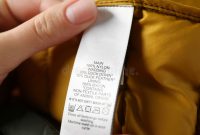
When it comes to identifying authentic designer clothing, analyzing tags and labels is a crucial step. Tags provide essential information about the garment, including brand authenticity, care instructions, and manufacturing details. Counterfeit items often skimp on these details, making it vital to know what to look for to avoid getting duped.In this section, we will explore how to properly evaluate tags and labels to ensure the authenticity of designer clothing.
By paying close attention to these small but significant details, you can greatly enhance your chances of making a wise purchase.
Checklist for Evaluating Tags and Labels, How to Spot Fake Designer Clothing Online
Creating a checklist for tags and labels can streamline your evaluation process. Here are key elements to scrutinize:
- Brand Name: Confirm the correct spelling and logo design. Authentic brands maintain consistency in their branding.
- Material Composition: Genuine items list high-quality materials. Check for natural fibers versus synthetic alternatives.
- Care Instructions: Authentic labels detail proper care methods, while counterfeit tags may lack this information or provide vague instructions.
- Country of Origin: Verify that the origin aligns with known manufacturing locations for the brand in question.
- Size Label: Ensure the size is presented in a format consistent with the brand’s usual sizing (e.g., numeric or alphabetic).
Common Mistakes Found on Counterfeit Tags
Fake tags often contain glaring errors that can give away a counterfeit item. Familiarizing yourself with these mistakes can save you from unfortunate purchases. Some common errors include:
- Poor Print Quality: Low-quality printing can result in smudged text or inconsistent fonts.
- Incorrect Brand Logo: Fake items often feature slightly altered logos that fail to match the original.
- Missing Information: Authentic labels typically contain detailed information; counterfeit versions may omit vital details like care instructions or country of origin.
- Inconsistent Fabric Tags: The fabric content may not align with the brand’s usual offerings, pointing to a counterfeit product.
Verifying Care and Origin Labels for Authenticity
The care and origin labels can further validate the authenticity of designer pieces. Here are important aspects to evaluate:
- Care Label Quality: Genuine care labels are made from durable materials and often feature clear, high-quality printing.
- Language Used: Authentic brands commonly provide care instructions in multiple languages, while counterfeits may only include one or misspellings.
- Material Tag Alignment: Ensure that the care label is attached securely and matches the main tag’s information.
- Compliance with Regulations: Many countries have regulations regarding care labeling; authentic brands comply with these guidelines.
“A well-made tag is as integral to the garment as the fabric itself. Ignore it at your peril.”
Recognizing Pricing Red Flags
In the world of designer fashion, price often serves as a significant indicator of authenticity. When it comes to premium brands, the cost is usually reflective of the quality, craftsmanship, and brand prestige. Therefore, spotting red flags in pricing can be crucial in avoiding counterfeit products.The relationship between price and authenticity in designer items is straightforward: if an offer seems too good to be true, it likely is.
Counterfeiters often undercut the market price to lure unsuspecting buyers. Authentic designer pieces typically maintain price consistency across retailers, and significant deviations can signal a fake. Below are some common pricing scenarios that might indicate a potential counterfeit:
Comparative Pricing Analysis
It’s essential to compare the pricing of authentic designer items against known counterfeit prices. Understanding these ranges helps to identify suspicious offers. The following table gives an overview of authentic pricing ranges compared to counterfeit pricing for some popular designer brands:
| Brand | Authentic Pricing Range | Counterfeit Pricing Range |
|---|---|---|
| Gucci Handbag | $800 – $3,000 | $200 – $600 |
| Louis Vuitton Wallet | $400 – $1,500 | $100 – $300 |
| Chanel Classic Flap Bag | $5,000 – $9,000 | $1,500 – $3,500 |
| Prada Shoes | $600 – $1,200 | $150 – $400 |
Recognizing these price discrepancies can help consumers make informed purchasing decisions. As a rule of thumb, if a designer item is sold at a price significantly lower than the established range, it’s wise to proceed with caution. Understanding the market value of designer goods is crucial in avoiding pitfalls associated with counterfeits.
“The best deals aren’t just about the price; they’re about the value you receive.”
Overall, maintaining a keen awareness of the typical pricing for designer goods can help you steer clear of fakes and invest in authentic pieces that reflect true quality and craftsmanship.
Researching Seller Credibility
In the digital age, buying designer clothing online comes with great convenience but also certain risks, particularly when it comes to authenticity. One of the best ways to safeguard your purchase is by diligently researching the credibility of the seller. A trustworthy seller not only ensures you receive a genuine product but also provides peace of mind throughout the shopping experience.Verifying the legitimacy of online sellers involves a few critical steps that every savvy shopper should take.
Start by checking the seller’s website for professionalism and user-friendliness. A well-designed website often indicates a reputable business. Additionally, look for the presence of contact information, including a telephone number and physical address, as these details suggest transparency.
Steps to Verify Seller Legitimacy
Before making a purchase, it’s essential to gather as much information as possible about the seller. Here are several steps to ensure you’re shopping from a credible source:
- Check Their Online Presence: Look for the seller on social media platforms and see how they engage with customers. A strong, active presence can indicate legitimacy.
- Read Customer Reviews: Look for reviews on the seller’s website, as well as on independent review sites. Pay attention to recurring themes, both positive and negative.
- Verify Business Registration: Check if the seller is a registered business. You can look up their business registration number or check for licensing information.
- Look for Trust Seals: Reputable sellers often display trust seals or certifications on their sites. These seals indicate that the website has been verified for security and legitimacy.
- Examine Return Policies: A clear, fair return policy is a good sign of a reputable seller. Check if they offer exchanges or refunds, and understand the process well.
Checking reviews and ratings is a crucial component of assessing seller credibility. Reviews reflect the experiences of previous customers, offering insights into product quality and overall service. High ratings often correlate with authentic products, while consistent negative feedback can serve as a warning sign.
The Importance of Customer Reviews
Customer reviews can significantly influence purchasing decisions. They provide real-world feedback on both the products and the seller’s operations.
“A single negative review can deter potential buyers, while a collection of positive testimonials can enhance a seller’s reputation.”
When analyzing reviews, it’s important to consider the overall trend rather than isolated comments. Look for detailed reviews that Artikel the buyer’s experience, as generic comments often hold less value. Additionally, be wary of sellers with numerous reviews that sound overly promotional or lack detail, as these may indicate fabricated testimonials.The return policy and customer service play crucial roles in confirming authenticity.
A seller that offers a robust return policy demonstrates confidence in their products, ensuring you won’t be stuck with a counterfeit item.
Significance of Return Policies and Customer Support
A solid return policy not only provides reassurance but also aligns with industry standards for reputable sellers.
- Clear Terms: Ensure the return policy is straightforward, including time frames for returns and conditions for refunds.
- Responsive Customer Service: Test the seller’s customer service by reaching out with questions. Prompt and helpful responses indicate a professional seller.
- Accessibility of Support: Check if there are multiple ways to contact customer service, such as phone, email, or live chat. This accessibility is a hallmark of genuine retailers.
In conclusion, researching seller credibility is a fundamental step in buying designer clothing online. By diligently verifying the seller’s legitimacy through various methods, keeping a keen eye on customer reviews, and understanding return policies, you can navigate the world of online shopping more confidently and avoid falling victim to counterfeit goods.
Exploring Online Resources for Verification

In today’s digital age, verifying the authenticity of designer clothing can be efficiently done through various online resources. With just a few clicks, you can access a wealth of information that helps confirm whether a piece is genuine or counterfeit. Utilizing these resources not only saves you from potential financial loss but also enhances your overall shopping experience.Various websites and apps are specifically designed to assist consumers in determining the authenticity of designer items.
These platforms provide insights into brand identities, product details, and expert opinions. Additionally, social media can serve as a powerful research tool to gather more information about a brand or product. Engaging with communities of fashion enthusiasts can lead to valuable insights and tips on spotting fakes.
Online Verification Resources
Here’s a list of essential websites and apps that can help verify designer authenticity, along with a brief description of each:
| Resource | Description |
|---|---|
| Authenticate First | This site offers authentication services for luxury brands, providing detailed reports and assessments of items. |
| Real Authentication | An app and website that offers expert authentication services for designer brands, featuring a user-friendly interface. |
| Luxury Closet | A marketplace for pre-owned luxury items that also provides authentication services to ensure item legitimacy. |
| Sartorially | A resource offering a wealth of information on high-end fashion brands, including guides on how to spot fakes. |
| FashionReps on Reddit | A community dedicated to discussions about fashion replicas, where users share tips and experiences related to authenticity. |
Social media platforms can also play a significant role in verifying designer items. Engaging with brand-specific accounts on Instagram or Facebook can provide authentic insight into product details and updates. Additionally, following fashion influencers and authenticity experts can yield useful information and tips. Utilizing hashtags related to the brand or specific products can help you find reviews and opinions from other consumers, making your research more comprehensive.
For instance, searching for hashtags like #LouisVuittonAuthenticity or #ChanelFakeCheck can lead you to discussions that may clarify doubts regarding authenticity.By combining these online resources and social media insights, you can significantly enhance your ability to identify authentic designer clothing, ensuring a more satisfying shopping experience.
Real-Life Case Studies of Counterfeit Items
Counterfeit designer items have become a significant concern in the fashion industry, affecting both consumers and authentic brands. Numerous cases have highlighted the extent of this issue, showcasing how counterfeiters exploit the allure of luxury fashion for profit. Understanding these real-life examples can provide valuable insights into the impact of counterfeiting and the importance of supporting genuine brands.One of the most notorious examples of counterfeit designer items involved the luxury brand Louis Vuitton.
In 2018, the brand launched a legal battle against a Chinese manufacturer who created fake Louis Vuitton handbags that were sold online. The court ruled in favor of Louis Vuitton, underscoring the legal ramifications of producing and distributing counterfeit goods. The ruling not only resulted in hefty fines for the counterfeiters but also served as a cautionary tale for consumers considering purchasing designer items from unverified sellers.
Legal Repercussions of Buying and Selling Counterfeit Goods
The legal landscape surrounding counterfeit goods is complex and varies by jurisdiction, but several consistent themes emerge globally. Engaging in the buying or selling of counterfeit items can lead to serious consequences, including:
- Fines and Penalties: Individuals caught selling counterfeit goods may face substantial fines, often exceeding thousands of dollars, depending on the severity of the infringement.
- Seizure of Goods: Law enforcement agencies frequently seize counterfeit items during raids, leading to significant financial losses for sellers.
- Civil Lawsuits: Authentic brands actively pursue civil lawsuits against counterfeiters, which can result in further financial liabilities and damages.
- Criminal Charges: In severe cases, individuals involved in large-scale counterfeiting operations may face criminal charges, leading to imprisonment.
As the fashion industry continues to combat the counterfeit market, it is vital for consumers to consider the implications of their purchasing decisions.
“Supporting authentic brands not only protects your investment but also ensures the continuation of craftsmanship and innovation in the fashion industry.”
The above points illustrate the gravity of the counterfeit situation, emphasizing the importance of vigilance and responsibility among consumers in their quest for genuine designer items.