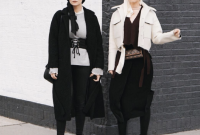
The Comeback of Y2K and 90s Fashion Trends marks a fascinating revival that’s reshaping the fashion landscape. From the nostalgic aesthetics of low-rise jeans and crop tops to vibrant colors and playful accessories, the resurgence of these styles reflects a cultural longing for simpler times. With a perfect blend of digital influence and the rise of social media, today’s fashionistas are eager to embrace and reinterpret the iconic looks of the past.
The driving forces behind this trend are multifaceted, intertwining cultural nostalgia with modern innovation. As we explore how past styles are being redefined and celebrated, it’s clear that both Y2K and 90s fashion are not just fleeting trends; they represent a significant movement within contemporary fashion that resonates with a new generation.
The Influence of Y2K on Modern Fashion
The resurgence of Y2K fashion has captivated the contemporary fashion scene, blending nostalgic elements with modern aesthetics. This revival reflects a unique cultural moment where digital influences and a longing for the simplicity of past eras converge. Key components of Y2K fashion, such as vibrant colors, bold accessories, and playful graphics, have all found their way back into today’s closets, underscoring a fascination with the early 2000s.The Y2K aesthetic revival stems from various cultural factors, including the rise of social media platforms and the increasing influence of nostalgia in consumer behavior.
As platforms like TikTok and Instagram allow users to share and showcase their fashion choices, trends from the past are being reinterpreted for a new audience. The digital age contributes to this phenomenon, as online communities and influencers curate and promote Y2K-inspired looks, making them more accessible than ever.
Key Elements Resurfacing in Modern Fashion, The Comeback of Y2K and 90s Fashion Trends
Several hallmark elements of Y2K fashion are making a significant comeback in today’s style landscape. These elements not only celebrate the aesthetic of the early 2000s but also serve as a canvas for innovation and individual expression.
- Baggy Denim: Loose-fitting jeans, reminiscent of the Y2K era, are being reintroduced in modern collections, offering comfort and versatility.
- Bright Colors and Patterns: Neon hues and playful prints that characterized the early 2000s are re-emerging, adding a fun and vibrant touch to everyday wear.
- Chunky Sneakers: This footwear trend, initially popular in the Y2K period, has returned, blending style with comfort in a contemporary context.
- Accessorizing: Statement pieces such as butterfly clips, chokers, and oversized sunglasses are being worn again, emphasizing personal style and individuality.
- Graphic Tees: T-shirts featuring bold graphics and logos, a staple of Y2K fashion, are being reimagined and embraced by younger generations.
The influence of the digital age on this resurgence cannot be understated. The ease of sharing and discovering fashion content online has allowed Y2K trends to spread rapidly across the globe. Influencers and fashion enthusiasts curate their wardrobes with a nod to the past while incorporating modern touches, creating a hybrid style that resonates with both nostalgia and contemporary sensibilities.
“Y2K fashion is not just a trend; it’s a cultural phenomenon that reflects our collective memories and digital identities.”
As fashion continues to evolve, the impact of Y2K will likely persist, embracing both its aesthetic value and the deeper cultural narratives it represents.
90s Fashion Icons and Their Impact
The 1990s was a transformative decade for fashion, marked by a diverse array of styles and influential figures who left a lasting imprint on the industry. From supermodels to musicians, these icons not only shaped the trends of their time but also established styles that continue to resonate with today’s fashion landscape. Their unique aesthetics and bold choices introduced a refreshing wave of creativity that still influences modern wardrobes.One of the most notable fashion icons of the 90s was Naomi Campbell, whose striking looks and commanding presence on the runway set new standards for beauty and style.
Alongside her, figures like Kate Moss and Claudia Schiffer embodied the “heroin chic” aesthetic that defined the era. Their influence extended beyond the runway, as they collaborated with high-profile designers and appeared in iconic advertising campaigns. This era also saw the rise of musicians like Gwen Stefani and the Spice Girls, whose eclectic styles showcased a mix of punk, femininity, and streetwear, allowing fans to express themselves boldly through fashion.
Notable 90s Trends Making a Comeback
The resurgence of 90s fashion in contemporary style is evident in various trends that have re-emerged, proving the decade’s enduring influence. Some of these trends include:
- Baggy Jeans: Once the staple of grunge and hip-hop culture, baggy jeans have made a comeback, often paired with crop tops or oversized jackets for a casual yet stylish look.
- Choker Necklaces: A definitive accessory of the 90s, chokers are back in vogue, often seen adorning the necks of fashion-forward individuals, from casual to high-end outfits.
- Platform Sneakers: The chunky footwear that defined 90s street style is resurfacing, favored for both comfort and the statement they make.
- Flannel Shirts: Originally donned by grunge icons, flannel shirts are being restyled as oversized pieces worn over various outfits, adding a relaxed vibe to modern fashion.
Each of these trends reflects the playful and experimental spirit of the 90s, allowing a new generation to reinterpret them in innovative ways.
Celebrity Endorsements and 90s Fashion Perception
Celebrity endorsements play a crucial role in reshaping the perception of 90s fashion, as contemporary icons actively embrace and promote these vintage styles. High-profile figures such as Bella Hadid and Kendall Jenner have been spotted sporting nostalgic looks reminiscent of the 90s, bridging the gap between past and present. This revival is further supported by fashion campaigns that draw heavily on 90s aesthetics, reinforcing the idea that these styles are not just retro but also relevant.
Brands are strategically leveraging these endorsements to appeal to millennial and Gen Z audiences, creating a sense of nostalgia while infusing new life into classic looks. The integration of vintage pieces with modern elements has reshaped how consumers view 90s fashion, transforming it from a bygone era into a viable style choice for contemporary wardrobes. As a result, 90s fashion is not merely a trend but rather a significant influence that continues to shape the fashion narrative of today.
The Role of Social Media in Trend Revival
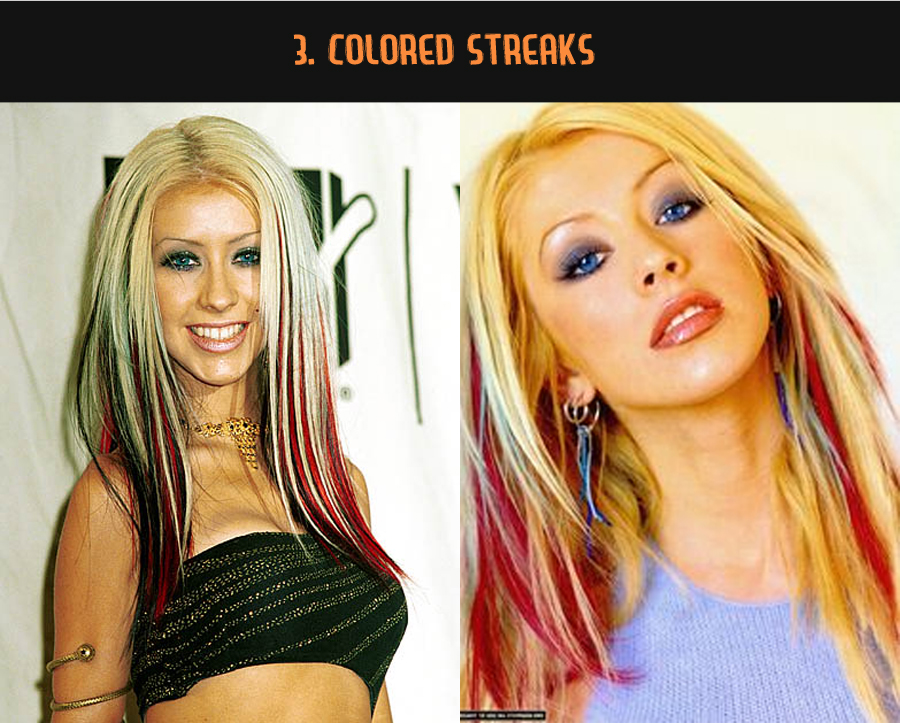
Social media platforms have become pivotal in shaping and reviving fashion trends from past decades, especially the Y2K and 90s aesthetics. With their vast reach and engaging visual content, platforms like Instagram and TikTok play a significant role in not only showcasing vintage styles but also making them accessible to a new generation of fashion enthusiasts. The instant sharing capabilities and interactive nature of these platforms allow trends to spread rapidly, creating a buzz that can often lead to full-blown comebacks.The influence of social media is apparent in how these platforms serve as a canvas for creativity and self-expression.
Users can experiment with various styles, often remixing elements from the past with contemporary pieces, effectively bridging the gap between eras. This has led to the rise of many fashion icons and influencers who curate content that resonates with followers, making vintage styles feel fresh and relevant.
Influencers and Their Impact on Fashion Trends
Influencers play a crucial role in the revival of Y2K and 90s fashion by curating looks that draw inspiration from these eras. Their ability to create relatable content helps demystify vintage styles, making them appear more approachable for everyday wear. Many influencers have taken to their platforms to share styling tips, DIY hacks, and transformation videos, which highlight how to incorporate retro pieces into modern wardrobes.
A notable aspect of this phenomenon is the hashtag culture that thrives on social media. Influencers often leverage trending hashtags related to Y2K and 90s fashion, which encourages their followers to engage, replicate, and share their versions of these styles. This communal aspect fosters a sense of belonging among users who appreciate the aesthetics of yesteryears.To illustrate how these trends manifest on social media, various fashion challenges have emerged, encouraging participants to showcase their unique takes on Y2K and 90s styles.
Below is a list of some popular fashion challenges that highlight these aesthetics:
- #Y2KStyleChallenge: Participants recreate iconic Y2K outfits using current wardrobe staples.
- #90sFashionChallenge: A challenge focused on replicating classic 90s looks, often featuring denim, oversized tees, and crop tops.
- #ThrowbackThursday: A weekly trend where users post nostalgic outfits from the 90s or early 2000s, sparking discussions about past fashion.
- #VintageVibes: This challenge encourages users to mix and match vintage pieces with modern trends to create unique ensembles.
- #IconicLooks: Influencers showcase outfits inspired by 90s celebrities or pop culture icons, encouraging followers to do the same.
The popularity of these challenges underscores the enthusiasm around Y2K and 90s fashion, driving engagement and sparking a collective nostalgia that resonates across generations. By making these styles accessible and relevant, social media platforms have solidified their role in the fashion landscape, ensuring that the influence of Y2K and 90s aesthetics will continue to thrive.
Key Fashion Items from Y2K and the 90s
The resurgence of Y2K and 90s fashion has brought back a variety of iconic styles that defined those decades. From oversized silhouettes to vibrant colors, these trends have been embraced by modern fashion enthusiasts. The reimagining of these styles reflects a nostalgia that resonates with both those who experienced these eras firsthand and newer generations discovering them for the first time.Essential clothing items from the Y2K and 90s era are characterized by their unique shapes, materials, and cultural significance.
These garments not only served functional purposes but also became symbols of individuality and self-expression. Here’s a closer look at the defining clothing pieces from these influential decades.
Essential Clothing Items
The following table presents key fashion items that shaped the Y2K and 90s aesthetic. Each item has its own unique story and cultural relevance, contributing to the overall fashion landscape of that time.
| Fashion Item | Description | Significance |
|---|---|---|
| Baggy Jeans | Loose-fitting denim that provides comfort and versatility. | Represented a shift away from tight-fitting styles and embraced comfort. |
| Crop Tops | Short tops that expose the midriff, often paired with high-waisted bottoms. | Symbolized youthful rebellion and confidence in body image. |
| Platform Sneakers | Footwear with thick soles, providing height and a bold look. | Enhanced style while maintaining comfort, popular among various music subcultures. |
| Windbreakers | Lightweight jackets designed to protect against wind and light rain. | Iconic for their vibrant colors and patterns, bringing a sporty edge to casual outfits. |
| Flannel Shirts | Soft, plaid shirts that often became a staple in grunge fashion. | Represented a laid-back, countercultural attitude associated with the 90s. |
Accessories played a crucial role in defining the Y2K and 90s fashion trends. Items like choker necklaces, bucket hats, and colorful sunglasses not only complemented outfits but also made bold fashion statements. Footwear such as combat boots and platform sandals were essential in completing the look, often aligning with the rebellious spirit of the time. Many brands are now reintroducing classic pieces from these decades, acknowledging their lasting influence.
These brands include:
- Levi’s – known for their iconic denim that has remained timeless.
- Calvin Klein – celebrated for their minimalist aesthetic and logo-centric designs.
- Reebok – reviving classic sneaker styles that were staples in the 90s.
- Fila – re-emerging with its retro sportswear that captures the essence of that era.
- Tommy Hilfiger – bringing back bold colors and logo-driven designs reminiscent of the 90s.
The revival of these iconic fashion items serves as a reminder of how styles can transcend time, continually influencing the present and inspiring future generations.
The Intersection of Nostalgia and Modern Fashion: The Comeback Of Y2K And 90s Fashion Trends
Nostalgia plays a powerful role in shaping contemporary fashion choices, as many individuals find comfort and connection in styles that evoke memories of their formative years. This yearning for the past is not merely sentimental; it taps into deeper psychological needs for identity and belonging. The resurgence of Y2K and 90s fashion trends illustrates how nostalgia can influence personal style and broader fashion movements, creating a fascinating interplay between the past and present.
The Psychological Appeal of Nostalgia in Fashion Choices
Nostalgia in fashion operates on several psychological levels, providing a sense of familiarity and warmth. Today’s consumers often gravitate towards styles that remind them of their youth or significant moments in their lives. This emotional connection is substantiated by research suggesting that nostalgia can enhance mood and increase feelings of social connectedness. In an era marked by rapid change and uncertainty, revisiting past trends brings a comforting sense of stability and joy.
The expression of nostalgia varies distinctly between Y2K and 90s trends. While the 90s embraced a grunge aesthetic characterized by plaid shirts, oversized denim, and alternative rock influences, Y2K fashion favored a more futuristic vibe with metallics, crop tops, and statement accessories. These differences in expression reflect the cultural contexts of their respective times; the 90s focused on rebellion and individuality, while Y2K celebrated a playful, tech-driven optimism.
The Influence of Retro Themes in Current Fashion Marketing Strategies
Fashion brands today skillfully integrate nostalgia into their marketing strategies, recognizing its compelling appeal to consumers. Retro themes are not just about bringing back old styles; they are a way for brands to forge emotional connections with their audience. The use of bright colors, playful patterns, and vintage-inspired designs resonates with consumers’ longing for simpler times, effectively bridging the gap between past and present.
Key strategies utilized in this nostalgic marketing include:
- Collaborations with Influencers: Brands partner with social media influencers who epitomize retro aesthetics, enhancing credibility and relatability.
- Limited Edition Vintage Collections: Companies release curated lines inspired by nostalgic designs, creating urgency and exclusivity.
- Storytelling and Brand Heritage: Brands emphasize their history and connection to iconic moments in fashion, appealing to consumers’ desire for authenticity.
- Interactive Campaigns: Engaging consumers through nostalgic references in advertising campaigns, using social media platforms to promote user-generated content that evokes shared memories.
Through these strategies, brands cultivate a deeper emotional response from consumers, fostering brand loyalty and encouraging purchases driven by nostalgia. The fusion of modern marketing techniques with retro influences not only revitalizes vintage styles but also reinforces the timelessness of these fashion trends.
“Nostalgia in fashion is like a time capsule; it connects us to our past while allowing expression in the present.”
Sustainability and Vintage Fashion Trends
The resurgence of Y2K and 90s fashion trends has not only sparked a nostalgic wave but has also aligned seamlessly with contemporary sustainable practices. As more consumers become environmentally conscious, the shift towards vintage and second-hand clothing has gained momentum, making it a staple in modern wardrobes. This intersection of nostalgia and sustainability reflects a broader commitment to reducing waste and embracing more ethical fashion choices.The relationship between the revival of past fashion trends and sustainable practices is evident in how vintage shopping is perceived and adopted by younger generations.
Vintage clothing offers a unique blend of style and sustainability, allowing individuals to express themselves while minimizing their environmental footprint. With fast fashion’s detrimental impact on the planet becoming increasingly clear, many are turning to thrift stores and online vintage shops to find authentic pieces from the Y2K and 90s eras.
Methods for Incorporating Vintage Pieces into Modern Wardrobes
Integrating vintage pieces into today’s fashion landscape can elevate personal style while promoting sustainability. There are several effective methods to achieve this blend of old and new.
1. Mix and Match
Pair vintage items, such as oversized denim jackets or graphic tees, with modern basics like tailored trousers or sleek leggings. This creates a balanced look that feels both contemporary and nostalgic.
2. Accessorize Thoughtfully
Vintage accessories like statement belts, chunky jewelry, or retro bags can add a distinctive flair to any outfit. Incorporating these elements can transform a simple modern outfit into something special.
3. Layering Techniques
Use vintage layering techniques, such as wearing a vintage slip dress over a fitted turtleneck. This method not only showcases the vintage item but also adapts it for different seasons.
4. Tailoring for Fit
Vintage clothing often comes in unique cuts and sizes. Tailoring these pieces to fit your body can create a bespoke look that flatters your shape while maintaining the garment’s original charm.
5. Creative DIY
Upcycling vintage finds by altering their design—like cropping a vintage blouse or distressing denim—can breathe new life into older items, making them more aligned with current trends.Each of these methods reflects a commitment to sustainable fashion by promoting the reuse and repurposing of clothing, thereby reducing waste and encouraging a more mindful approach to personal style.
The Future of Fashion Trends
Fashion is an ever-evolving landscape, constantly influenced by cultural shifts, technological advancements, and historical references. As we witness the revival of Y2K and 90s fashion, it’s intriguing to contemplate how these trends will evolve in the coming years. The cyclical nature of fashion suggests that the nostalgic elements from these eras could be reimagined in innovative ways, merging past styles with future aesthetics.The revival of Y2K and 90s fashion trends indicates a broader acceptance and integration of vintage styles into modern wardrobes.
As consumers become more conscious of sustainability and individuality, we can expect designers to push the boundaries of retro-inspired fashion, exploring new materials, techniques, and themes that resonate with contemporary values. The blending of nostalgia with innovative design could give rise to unique trends that redefine how we perceive and wear fashion.
Emerging Trends Inspired by Past Decades
Several predictions arise regarding potential new trends that may take inspiration from the Y2K and 90s eras. As designers and brands explore these avenues, specific styles may come to the forefront, reflecting the cultural sentiments of the present.
- Tech-Inspired Fashion: With the ongoing advancements in technology, we might see an increase in fashion that incorporates elements like LED lights, smart textiles, and interactive designs, reminiscent of the tech-driven aesthetics of the early 2000s.
- Y2K Aesthetic 2.0: The playful and eclectic style of Y2K may evolve into a more refined, yet still whimsical, interpretation, featuring metallic fabrics, bold colors, and graphic prints that nod to the past while embracing modern tailoring.
- Grunge Revival: The 90s grunge look, characterized by oversized flannels and distressed denim, may see a resurgence as a reaction to the polished styles dominating fashion. Expect a mix of high-fashion and streetwear that embodies this carefree aesthetic.
- Vintage Aesthetic Fusions: Designers may blend various retro styles, pulling influences from the 80s, 90s, and Y2K to create fresh, hybrid looks that celebrate the diversity of past decades.
- Gender Fluidity in Fashion: The 90s saw the emergence of androgynous styles, and this trend is likely to continue, with designers creating collections that blur traditional gender lines while drawing from retro silhouettes and motifs.
Emerging Designers Blending Retro Styles with Contemporary Fashion
A new generation of designers is emerging, skillfully merging retro influences with contemporary aesthetics. Their work not only celebrates the nostalgic elements of past fashion but also emphasizes sustainability and individuality.
- Marine Serre: Known for her moon print and innovative use of upcycled materials, Serre blends retro-futurism with modern silhouettes, creating pieces that are both nostalgic and avant-garde.
- Palomo Spain: This brand incorporates elements of 90s fashion and Spanish culture, delivering flamboyant and romantic pieces that challenge traditional gender norms.
- Ganni: This Danish label revitalizes 90s-inspired prints and shapes, focusing on sustainability while embracing playful and bold designs that resonate with a younger audience.
- Y/Project: Known for its deconstructed silhouettes, Y/Project infuses elements from various decades, creating unique pieces that celebrate the past while pushing the boundaries of contemporary fashion.
- Rave Review: This brand embraces upcycling and bold designs, drawing inspiration from the 90s with a modern twist, making their collections both distinct and environmentally conscious.
“Fashion is a reflection of the times; as we embrace nostalgia, we also have the opportunity to innovate and inspire.”