Affordable Muslim Fashion for Every Occasion is all about embracing style without breaking the bank. In a world where fashion is often tied to high prices, the Muslim fashion industry is stepping up to provide affordable options that cater to all occasions. Whether you’re dressing for a casual day out, a formal event, or a festive celebration, there’s a vibrant array of choices that allow you to express your individuality while remaining true to your values.
This guide dives into the essence of affordable Muslim fashion, highlighting key brands, essential wardrobe pieces, and the cultural influences that shape these trends. From versatile outfits to sustainable practices, we explore how you can create a stylish and conscious wardrobe that suits every moment in your life.
Understanding Affordable Muslim Fashion
Affordable Muslim fashion encompasses clothing that adheres to Islamic principles while being accessible in terms of price, style, and variety. This type of fashion allows Muslim individuals to express their identities and cultural values without compromising their financial means. With a growing emphasis on inclusivity and representation, affordable options have become increasingly vital.Affordability plays a crucial role in the Muslim fashion industry by ensuring that modest clothing is available to a larger audience, regardless of socio-economic status.
It encourages diversity in style while maintaining adherence to modesty guidelines, thus bridging the gap between fashion and faith. The significance of affordability lies in its ability to empower individuals to choose clothing that reflects their beliefs and lifestyle, all while staying within budget constraints.
Examples of Affordable Muslim Fashion Brands
Several brands have emerged in the market that specialize in affordable Muslim fashion, making it easier for individuals to find stylish options without overspending. These brands emphasize quality, modesty, and affordability, catering to various tastes and occasions. Some notable examples include:
- Modanisa: This online retailer offers a wide array of trendy and modest clothing at reasonable prices, from casual wear to formal attire.
- Aab: Aab is known for its elegant designs that balance affordability with high-quality fabrics, providing a variety of options for different events.
- Shein: Although not exclusively a Muslim fashion brand, Shein has a dedicated section for modest clothing that offers affordable, trendy pieces suitable for everyday wear.
- Lilac: A brand that focuses on providing stylish modest wear, Lilac is recognized for its reasonable pricing and chic designs that appeal to young Muslim women.
The rise of these brands highlights the demand for accessible yet fashionable options in the Muslim community. Their offerings ensure that individuals do not have to sacrifice style for affordability, reinforcing the idea that modest fashion can be both budget-friendly and chic.
“Affordable Muslim fashion opens doors to expression while respecting cultural values.”
Fashion for Various Occasions
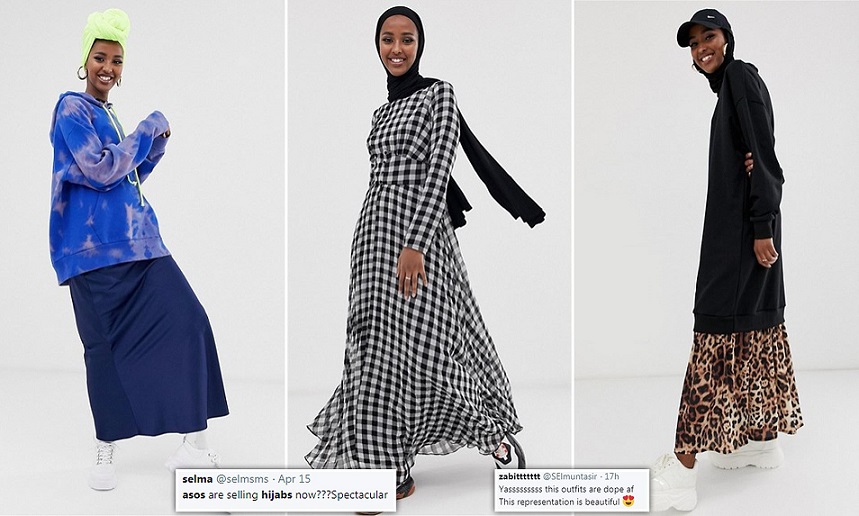
In the world of Muslim fashion, having versatile outfits for different occasions is essential. Whether it’s a casual day out, a formal event, or a festive celebration, each scenario calls for unique styles that reflect both personal taste and cultural significance. Understanding the specific needs for each type of occasion helps in curating a wardrobe that is both stylish and appropriate.Fashion for Muslim women can vary greatly depending on the occasion.
Finding the right outfit involves a blend of comfort, aesthetics, and adherence to cultural values. Casual wear is perfect for everyday outings, while formal attire is essential for events such as weddings, corporate meetings, or receptions. Festive wear stands out during celebrations like Eid or Ramadan, featuring more elaborate designs and embellishments. Here are some design ideas for various occasions, ensuring that each outfit captures the essence of the moment.
Outfit Ideas for Casual, Formal, and Festive Wear
Selecting the right outfit for different occasions enhances the overall experience. A well-chosen outfit can boost confidence and reveal personal style. Below are some ideas tailored for each occasion.
- Casual Wear:
Comfortable yet stylish options are suitable for daily activities like shopping or brunch with friends. Think loose-fitting tunics paired with straight-cut trousers or chic maxi dresses adorned with minimalistic prints. - Formal Wear:
For formal events, elegance is key. Opt for tailored abayas or floor-length dresses with intricate embroidery or lace details. Pair them with stylish heels and accessories for a polished look. - Festive Wear:
During celebrations, vibrant colors and luxurious fabrics come to life. Choose embellished kaftans or lehengas with sequins or beadwork. Complement with statement jewelry to enhance the festive spirit.
To further illustrate the various options available for different occasions, a comprehensive table is provided below:
| Occasion | Outfit Option | Key Features |
|---|---|---|
| Casual | Maxi Dress | Comfortable, breathable fabric, simple patterns |
| Casual | Tunic & Trousers | Loose fit, practical for everyday wear, versatile colors |
| Formal | Tailored Abaya | Elegant design, high-quality fabric, refined details |
| Formal | Flowy Gown | Long length, intricate embroidery, chic silhouette |
| Festive | Embellished Kaftan | Vibrant colors, decorative elements, luxurious feel |
| Festive | Lehenga Set | Traditional style, rich fabrics, striking embellishments |
“Fashion is not just about clothes; it’s about expressing your identity and celebrating your culture.”
Essential Pieces for a Versatile Wardrobe
Building a versatile wardrobe is essential for any Muslim woman who wants to navigate various occasions without sacrificing style or modesty. Having a well-thought-out collection of key pieces allows for easy mixing and matching, enabling the creation of diverse looks. Here are some fundamental items every Muslim woman should consider incorporating into her wardrobe.The following essential pieces not only promote versatility but also serve as a foundation for creating multiple outfits suitable for different occasions.
By investing in these staples, you can streamline your wardrobe and elevate your style effortlessly.
Key Items for a Versatile Wardrobe
These key items form the backbone of a functional and stylish wardrobe, suitable for both casual outings and formal events.
- Abaya: A timeless piece that can be dressed up or down. Choose one in a solid color or subtle print for maximum versatility.
- Maxi Dresses: Ideal for a range of occasions, from casual wear to evening events. Look for dresses with breathable fabrics.
- Tunics: These can be layered over trousers or skirts. Opt for varying lengths and materials to mix up your look.
- Wide-Leg Pants: These provide comfort and elegance. Pair them with a fitted top for a balanced silhouette.
- Cardigans and Kimonos: Perfect for layering. Choose lightweight options in neutral colors to match easily with other pieces.
- Scarves: An essential accessory that can transform an outfit. Invest in a variety of colors and patterns to add flair.
- Skirts: A-line or maxi skirts are versatile, pairing well with both casual and formal tops.
Mixing and Matching Essentials, Affordable Muslim Fashion for Every Occasion
Mixing and matching these key wardrobe pieces can create an array of different looks suitable for various occasions. The versatility of each item allows for personal expression and adaptability.Start by selecting a neutral color palette that serves as a base for your outfits. This approach allows you to seamlessly integrate various pieces without clashing colors. For example, pairing a black abaya with a colorful scarf can elevate your look for a formal setting, while the same abaya can be styled with wide-leg pants for a casual outing.
Additionally, consider layering items to add depth to your outfits. A lightweight cardigan over a maxi dress can transition a look from day to night effortlessly.
Styling Tips for a Capsule Wardrobe
Creating a capsule wardrobe revolves around strategically selecting pieces that can be easily mixed and matched. Here are some styling tips to enhance your wardrobe’s versatility:
“Quality over quantity is key when building a capsule wardrobe.”
- Invest in Quality Basics: Opt for high-quality fabrics and cuts that flatter your body type. These pieces will withstand the test of time.
- Focus on Versatile Colors: Stick to a cohesive color palette that allows for easy mixing. Neutrals and a few accent colors work well.
- Accessorize Wisely: Use accessories like belts, jewelry, and bags to change the vibe of an outfit without adding bulk to your wardrobe.
- Seasonal Adaptation: Incorporate seasonal layers like light cardigans in summer and thicker kimonos in winter, ensuring your look is suitable year-round.
- Personal Touch: Include a few statement pieces that reflect your personal style—be it bold colors or unique patterns—to add individuality to your looks.
Cultural Influences in Muslim Fashion
The world of Muslim fashion is a vibrant tapestry woven from diverse cultural threads. Each region brings its unique heritage, traditions, and societal norms, which influence clothing styles and trends. This section delves into the rich interplay of culture and fashion within the Muslim community, highlighting how these elements converge to shape contemporary styles.Various cultures significantly influence Muslim fashion trends, resulting in a dynamic blend of styles that reflect regional aesthetics and historical narratives.
From the intricate embroidery of South Asian outfits to the flowing silhouettes of Middle Eastern designs, each cultural background contributes something unique. For instance, the use of colorful prints and bold patterns in Indonesian fashion contrasts beautifully with the more muted and classic tones often seen in Gulf countries.
Regional Evolution of Muslim Fashion
The evolution of Muslim fashion across different regions illustrates a fascinating journey. As societies evolve and global influences permeate local traditions, the fashion landscape transforms accordingly. In South Asia, traditional garments like the shalwar kameez have adapted over time, integrating contemporary cuts and fabrics while maintaining cultural significance. In contrast, North African attire has seen a resurgence of traditional garments, such as the kaftan, celebrated for their elegance and versatility.
Cultural exchanges, often propelled by travel and technology, have further evolved these styles. For example, social media platforms enable designers to showcase their work globally, allowing influences to cross borders more freely than ever before.
Traditional Attire and Modern Interpretations
The comparison between traditional attire and modern interpretations reveals a nuanced relationship between heritage and contemporary fashion. Traditional Muslim garments, such as the hijab, abaya, and jalabiya, embody cultural significance and identity. However, modern interpretations often infuse these pieces with fresh designs, colors, and silhouettes. In many urban settings, designers are reimagining traditional silhouettes to cater to modern tastes while respecting cultural roots.
This has led to a rich array of options for Muslim women—ranging from minimalist styles to bold, fashion-forward choices. For instance, the traditional abaya has evolved from a simple black cloak to a fashion statement, featuring vibrant colors, intricate patterns, and contemporary cuts.The interplay of tradition and modernity results in an inclusive fashion narrative, allowing individuals to express their identity while embracing contemporary trends.
The rise of Muslim fashion influencers amplifies this trend, showcasing how traditional elements can be harmoniously integrated into everyday wardrobes without losing their cultural essence.
Sustainable Practices in Affordable Fashion
In the ever-evolving landscape of fashion, sustainability has emerged as a pivotal concern. The importance of adopting sustainable practices in fashion cannot be overstated, especially as consumers become increasingly aware of the environmental impact of their clothing choices. Affordable Muslim fashion is no exception, and integrating eco-friendly practices into this sphere not only promotes ethical consumption but also supports a healthier planet.Sustainability in fashion encompasses a wide range of practices aimed at minimizing waste, reducing carbon footprints, and ensuring ethical production methods.
The growing demand for eco-conscious clothing has led several brands to prioritize sustainable materials and ethical manufacturing processes. Opting for sustainable fashion contributes to a circular economy, reduces reliance on fast fashion, and encourages thoughtful consumerism.
Brands That Focus on Eco-Friendly Materials and Production
Numerous brands have made significant strides in prioritizing sustainability within the affordable Muslim fashion sector. These brands utilize eco-friendly materials and implement ethical production methods, catering to conscious consumers seeking stylish yet responsible clothing options. Here are some notable examples:
- Modanisa: A popular online retailer that offers a variety of modest fashion items, Modanisa is increasingly incorporating sustainable fabrics such as organic cotton and recycled polyester into its collections.
- H&M Conscious: H&M’s Conscious line focuses on sustainable practices, featuring clothing made from organic cotton, recycled materials, and environmentally friendly dyes, making it accessible for budget-conscious shoppers.
- Everlane: Known for its transparency, Everlane offers a range of ethically produced garments made from sustainable materials, emphasizing fair labor practices and minimalistic designs.
- Reformation: This brand is dedicated to environmental sustainability, utilizing eco-friendly fabrics and implementing waste-reducing practices in its production processes, making it a favorite among eco-conscious consumers.
The above brands exemplify how businesses can successfully merge affordability with sustainable practices, providing consumers with more responsible fashion choices.
Methods for Incorporating Sustainable Practices into Personal Fashion Choices
Adopting sustainable practices in personal fashion choices can significantly impact the environment and promote a more sustainable lifestyle. Here are some effective methods to consider:
- Choose Quality Over Quantity: Invest in versatile, high-quality pieces that withstand trends and wear, reducing the need for frequent replacements.
- Shop Second-Hand: Thrift stores, online marketplaces, and clothing swaps offer opportunities to find unique, affordable pieces while minimizing waste.
- Support Local Artisans: Purchasing from local designers and artisans not only supports the community but often results in more sustainable production methods.
- Practice Upcycling: Transforming old clothing into new designs or repurposing fabrics can add a personal touch to your wardrobe while reducing waste.
- Care for Your Clothes: Proper washing and maintenance extend the life of garments, reducing the frequency of replacements and the environmental impact of production.
Incorporating these practices not only contributes to a more sustainable fashion industry but also enhances personal style while being mindful of the planet. Embracing sustainable fashion is a step towards promoting a healthier environment for future generations.
Online Shopping for Affordable Muslim Fashion
Shopping for affordable Muslim fashion online opens up a world of possibilities for those seeking stylish clothing that aligns with their values and budget. The convenience of browsing through various collections from the comfort of your home allows for a more relaxed shopping experience. However, navigating the vast options available can sometimes be overwhelming. This guide aims to simplify online shopping for affordable Muslim clothing while providing useful tips to score the best deals.Finding affordable clothing online can be a rewarding experience if approached strategically.
Start by researching stores that specialize in Muslim fashion, as they often have a variety of styles that cater to different occasions and preferences. To maximize your savings, consider the following tips for locating the best deals and discounts available:
Tips for Finding the Best Deals and Discounts
The key to successful online shopping lies in knowing when and where to find the best offers. The following strategies can help you uncover great deals:
- Sign up for newsletters: Many online retailers offer discounts to new subscribers. This can be a great way to receive promotional codes or sales notifications in your inbox.
- Follow social media channels: Retailers often share exclusive deals on their social media platforms. Following them can give you early access to sales and flash promotions.
- Utilize coupon sites: Websites dedicated to collecting coupon codes can guide you to additional savings. Always check these before finalizing a purchase.
- Shop during sales events: Keep an eye out for major sales events like Black Friday, Ramadan, Eid, and end-of-season sales, where prices can drop significantly.
- Compare prices: Utilize price comparison tools or websites to ensure you are getting the best deal for the item you want across multiple platforms.
For those new to online shopping in the realm of affordable Muslim fashion, knowing where to shop can make a significant difference. Below is a table of recommended online stores that offer a range of stylish and budget-friendly options:
| Store Name | Specialty | Price Range | Shipping Options |
|---|---|---|---|
| Zalora | Trendy clothing and accessories | $20 – $100 | Free shipping on orders over $50 |
| Modanisa | Wide variety of modest wear | $15 – $80 | International shipping available |
| PrettyLittleThing | Fashion-forward styles | $10 – $60 | Free shipping on orders over $30 |
| Shein | Affordable fashion for everyone | $5 – $50 | Free shipping on orders over $49 |
| H&M | Classic and timeless pieces | $10 – $70 | Free shipping for members |
By employing these tips and exploring the recommended online stores, shoppers can find affordable Muslim fashion that suits their needs and style preferences without breaking the bank.
Accessorizing Affordable Muslim Outfits
Accessorizing is essential in enhancing any outfit, especially in the context of affordable Muslim fashion. Accessories can elevate a simple attire, making it suitable for various occasions. They add a personal touch, bringing individuality to the overall look while also serving practical purposes. By selecting the right accessories, you can transform your outfit from casual to chic or from day to night without a significant investment.Accessories play a crucial role in completing an outfit and can greatly influence the mood and aesthetic of your ensemble.
They can highlight your personal style, reflect cultural identity, and make a statement about who you are. For affordable Muslim outfits, the right accessories can be both budget-friendly and stylish. Below are essential accessories that can complement various occasions, along with ideas on how to style them effectively.
Must-Have Accessories for Various Occasions
The following list provides essential accessories that can enhance your affordable Muslim outfits for different events, from casual outings to formal gatherings.
- Hijabs: Available in various fabrics and designs, hijabs can transform your look while providing modesty. Choose lightweight materials for summer and heavier fabrics for colder months.
- Statement Jewelry: Bold earrings, layered necklaces, or stackable rings can add flair to any outfit. Opt for affordable pieces that showcase your personality, like geometric shapes or colorful stones.
- Handbags: A stylish handbag can serve as both a functional and decorative piece. Consider options like crossbody bags for casual outings and clutch bags for evening events.
- Belt: A belt can define your waist and add structure to a loose outfit. Look for unique styles, such as embellished or fabric belts, to make a statement.
- Sunglasses: Perfect for sunny days, sunglasses can add an element of chicness. Choose oversized or retro styles to enhance your overall look.
Styling affordable accessories can significantly impact the overall presentation of your outfit. Here are some ways to effectively incorporate these accessories into your looks:
- Pair a patterned hijab with a solid-colored dress to create a balanced aesthetic, bringing attention to the vibrant headscarf without overwhelming the outfit.
- For a casual day out, match statement jewelry with a simple maxi dress to add excitement and visual interest, ensuring the jewelry does not clash with the outfit’s color scheme.
- Elevate a basic ensemble by adding a stylish handbag and coordinating belt, which can create a polished look suitable for brunch or casual meetings.
- For formal occasions, opt for elegant pieces like pearl earrings or a chic clutch that complements your attire, enhancing a sophisticated appearance without breaking the bank.
- Incorporate sunglasses as both a fashion accessory and a functional item, giving your outfit a stylish edge while protecting your eyes from the sun.
Using accessories wisely can enhance your affordable Muslim outfits, allowing you to express your unique style while staying true to your cultural identity.
Fashion Tips for Different Body Types
Understanding how to dress for your body type is essential in creating a versatile and stylish wardrobe. Each individual has a unique silhouette that can be accentuated with the right clothing choices. In the realm of affordable Muslim fashion, it’s crucial to celebrate diversity in body shapes while also embracing personal style. This section will explore different body types, provide tailored styling advice, and emphasize the importance of body positivity in Muslim fashion.
Identifying Body Types
There are several common body types that women can identify with, each possessing unique characteristics. Recognizing your body type can help you choose clothing that enhances your best features. The main body types include:
- Apple Shape: Characterized by broader shoulders and a fuller bust, with a less defined waist. Weight is often carried around the midsection.
- Pear Shape: Defined by a smaller upper body and wider hips, with a well-defined waist. Often has a curvier lower half.
- Hourglass Shape: Noted for balanced proportions with a defined waist. Bust and hip measurements are typically similar.
- Rectangle Shape: Features a straight silhouette with little definition at the waist. Shoulders and hips are approximately the same width.
- Inverted Triangle Shape: Identified by broader shoulders and bust with narrower hips. This body type often has a well-defined waist.
Styling Advice for Each Body Type
Choosing the right outfits can enhance your features and create a balanced look. Here’s some tailored advice for each body type:
- Apple Shape: Opt for A-line dresses and tops with empire waists to draw attention away from the midsection. Flowy, layered pieces can also create a more balanced silhouette.
- Pear Shape: Highlight your upper body with embellished tops or colorful scarves. Darker colors on the bottom can help minimize the hips while accentuating a smaller waist.
- Hourglass Shape: Emphasize your natural curves with fitted clothing. Wrap dresses and high-waisted skirts can enhance your silhouette beautifully.
- Rectangle Shape: Create curves with ruffled or peplum tops. Layering can add dimension, while belted pieces can define your waist.
- Inverted Triangle Shape: Balance your silhouette with wide-leg pants or flared skirts. V-necklines can elongate the torso, while softer fabrics can add femininity.
Importance of Body Positivity in Muslim Fashion
Body positivity is a vital aspect of fashion, especially within the Muslim community. Embracing diverse body shapes encourages women to express themselves through fashion without the constraints of societal norms. It’s important to foster an environment where all body types are celebrated, allowing individuals to feel confident in their skin.
“Fashion is not about size; it’s about confidence and style.”
When women see representations of various body shapes in fashion, it promotes acceptance and inspires them to explore styles that resonate with their identity. Encouraging a culture of body positivity in Muslim fashion not only empowers individuals but also enriches the fashion industry, making it more inclusive and relatable.
Influencers and Their Impact on Affordable Muslim Fashion: Affordable Muslim Fashion For Every Occasion
In recent years, Muslim fashion influencers have taken the industry by storm, playing a pivotal role in promoting affordable fashion choices that cater to diverse tastes and budgets. These influencers not only showcase their personal styles but also inspire their followers to embrace modest fashion without breaking the bank. Their unique perspectives and creative approaches have transformed the perception of affordable Muslim fashion, making it more accessible and appealing to a broader audience.The contributions of Muslim fashion influencers go beyond mere style inspiration; they actively shape consumer trends and promote brands that align with their values.
By collaborating with various affordable fashion labels, they highlight pieces that are not only stylish but also budget-friendly. Their impact is evident in the rising popularity of certain trends, and their ability to influence consumer choices is a testament to their reach and expertise in the fashion realm.
Notable Muslim Fashion Influencers
Several Muslim fashion influencers have made significant contributions to the affordable fashion landscape, each with their individual flair and style. Here are some of the most notable figures:
- Hanan Badr: Known for her chic and contemporary style, Hanan promotes a blend of modern and traditional elements in her outfits, often showcasing affordable pieces from various brands.
- Ascia Al Faraj: A pioneer in the modest fashion movement, Ascia combines luxury with affordability, encouraging her followers to invest in versatile pieces that elevate their wardrobes without overspending.
- Nura Afia: A beauty and lifestyle influencer, Nura emphasizes the importance of self-expression through fashion. She highlights budget-friendly options that resonate with younger audiences seeking stylish yet modest attire.
These influencers not only share their looks but also engage with their followers by offering styling tips, promoting budget-friendly brands, and fostering a sense of community around affordable Muslim fashion.
Trends Set by Influencers
The trends established by these influencers often reflect current societal values and preferences, making them both relevant and appealing. Some of the prominent trends influenced by Muslim fashion icons include:
- Mixing High and Low: Influencers advocate for pairing high-end pieces with affordable items, demonstrating that style doesn’t have to come at a steep price.
- Sustainable Choices: Many influencers promote sustainable fashion brands, encouraging their followers to consider ethical practices while shopping for affordable options.
- Layering Techniques: The art of layering has become a staple in modest fashion, and influencers showcase innovative ways to layer affordable pieces to create stylish looks.
By embracing these trends, influencers are not only redefining Muslim fashion but also showing consumers how to curate a versatile wardrobe that is both stylish and budget-friendly.
“Fashion is about expressing who you are, and that doesn’t have to be expensive.”
The impact of these influencers on consumer choices is profound, as they offer relatable content that resonates with their audience, making affordable fashion a celebrated choice among many. Through their platforms, they continue to push boundaries and foster a culture of inclusivity in the fashion industry.
Future Trends in Muslim Fashion
The landscape of Muslim fashion continues to evolve, driven by cultural shifts, technological advancements, and growing consumer demand for inclusivity and sustainability. As we look ahead, several trends are emerging that could shape the future of affordable Muslim fashion, ensuring it remains accessible and stylish for a diverse audience.One significant area of growth in Muslim fashion is the integration of technology, which is set to revolutionize how consumers shop and engage with fashion brands.
Innovations such as virtual fitting rooms, augmented reality (AR) apps, and AI-driven recommendations are enhancing the online shopping experience. These tools not only make it easier for consumers to find the perfect fit but also personalize their shopping journey based on their style preferences and body types. Furthermore, as e-commerce platforms expand, we can expect a rise in direct-to-consumer brands that offer affordable, trendy options without the markup associated with traditional retail.
Impact of Technology on Fashion Accessibility
The influence of technology on the accessibility of fashion cannot be understated. With the advent of affordable fashion marketplaces and social media platforms, consumers are now more connected to fashion trends than ever before. This interconnectedness fosters rapid dissemination of styles while enabling small brands to reach a global audience. Below are key aspects of how technology is making fashion more accessible:
- Mobile Shopping: The rise of mobile commerce has made it possible for consumers to shop for Muslim fashion on-the-go, allowing greater flexibility in purchasing habits.
- Social Media Influencers: Influencers play a crucial role in promoting affordable Muslim fashion, showcasing diverse styles and making them relatable to their followers.
- Digital Platforms: Websites and apps dedicated to affordable Muslim fashion provide curated selections, enabling consumers to discover new brands and trends easily.
- Customization Tools: Many brands are beginning to offer customization options, allowing consumers to tailor garments to their personal style and fit preferences.
Areas for Growth in the Market
Several areas within the Muslim fashion market present substantial opportunities for growth. As consumer awareness about sustainability, inclusivity, and diversity increases, brands that prioritize these values are likely to thrive. Here are some potential growth areas:
- Inclusive Sizing: Expanding size ranges to cater to all body types will make affordable fashion more accessible and appealing to a broader consumer base.
- Sustainable Fabrics: As sustainability becomes a priority, brands that utilize eco-friendly materials and ethical production practices will attract environmentally-conscious consumers.
- Modular Fashion: The concept of modular clothing, which allows for versatile styling and multiple looks from single pieces, is gaining traction, catering to the need for practicality and creativity.
- Cross-Cultural Collaborations: Collaborations between designers from different cultural backgrounds can lead to innovative collections that celebrate diversity while remaining affordable.
“Fashion is not just about clothes; it’s about identity and creativity. The future of Muslim fashion will reflect a blend of tradition and modernity, shaped by consumer needs and technological innovations.”