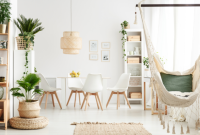
Best Indoor Plants for Adding Color to Your Home Décor is all about transforming your living space into a vibrant oasis. Incorporating indoor plants not only enhances the aesthetic appeal but also brings a refreshing touch of nature indoors. With endless varieties available, colorful indoor plants can uplift your mood and create a warm, inviting atmosphere.
Whether you’re a seasoned plant enthusiast or a newcomer, understanding the importance of these greens in your home can significantly impact your overall well-being. From the psychological benefits to their stunning visual appeal, indoor plants are essential elements for any stylish interior.
Introduction to Indoor Plants
Incorporating indoor plants into home décor transcends mere aesthetic appeal; it significantly elevates the ambiance of any living space. The lush greenery and vibrant colors that plants can bring to a room create a lively and welcoming environment. As more individuals embrace the concept of biophilic design, which emphasizes the connection between nature and living environments, indoor plants have emerged as essential elements for enhancing interior spaces.Plants not only beautify our homes but also provide a myriad of psychological benefits.
Studies have shown that the presence of greenery can reduce stress, enhance mood, and even improve overall well-being. The act of caring for plants fosters a sense of responsibility and nurturance, which can be particularly beneficial in today’s fast-paced world. By introducing indoor plants into your décor, you’re not just adding color; you’re creating a sanctuary that promotes relaxation and tranquility.
Aesthetic Appeal of Indoor Plants
The visual impact of indoor plants on home décor cannot be overstated. They serve as natural decor elements that complement various design styles, from modern minimalist to rustic charm. When strategically placed, plants can highlight the architectural features of a room or soften hard lines and edges. Consider the following aspects of how indoor plants enhance aesthetics:
- Color Variety: Indoor plants come in a plethora of colors, from the deep greens of ferns to the vibrant hues of flowering species. This diversity allows homeowners to select plants that align with their color palette, enhancing the overall visual harmony of the space.
- Texture and Shape: The unique textures and shapes of different plants can add depth to a room. For instance, the cascading leaves of a pothos can soften a sharp corner, while the upright form of a snake plant introduces a bold vertical element.
- Natural Focal Points: A well-placed plant can act as a focal point in a room, drawing the eye and creating interest. A large, leafy monstera or a vibrant flowering plant can become the centerpiece of a space.
The integration of indoor plants into home design not only beautifies a space but also enriches the human experience within it.
In summary, the inclusion of indoor plants in home décor offers a unique blend of beauty and well-being, transforming living spaces into vibrant, inviting environments that resonate with nature’s essence.
Criteria for Selecting Colorful Indoor Plants
Choosing the right colorful indoor plants can elevate your home’s ambiance, bringing life and vibrancy into your space. When selecting plants, it’s essential to consider various factors that ensure the plants not only look great but also thrive in your environment. Here are the key criteria to focus on for selecting the best colorful additions to your home décor.
Light Requirements
The amount of natural light in your home significantly influences the types of plants that will flourish. Each plant species has varying light needs, from low-light tolerant varieties to those that require bright, indirect sunlight. Understanding these requirements will help prevent disappointment and ensure your plants maintain their vibrant colors.
- Low Light Plants: These plants, like the ZZ plant or snake plant, can survive in dimly lit areas, making them ideal for rooms with limited sunlight.
- Medium Light Plants: Peace lilies and pothos thrive in moderate light and are perfect for spaces near windows that receive filtered sunlight.
- High Light Plants: If you have a bright, sunny spot, consider options like succulents or hibiscus, which flourish under direct sunlight.
Maintenance Levels
The level of care required for each plant is another important factor. Some colorful plants are low-maintenance and perfect for beginners, while others demand more attention and expertise. Evaluating your lifestyle and commitment can help select the right plants.
- Low Maintenance: Plants like the spider plant or pothos require minimal upkeep and are forgiving if you forget to water them occasionally.
- Moderate Maintenance: Options such as the rubber plant need regular watering and occasional pruning to maintain their shape and health.
- High Maintenance: More exotic choices, like orchids, may require specific humidity levels and careful watering schedules, suitable for dedicated plant enthusiasts.
Growth Habits
Growth habits refer to how a plant grows over time, affecting its suitability for indoor spaces. Knowing whether a plant is compact or sprawling can help you select the right one for your available space.
- Compact Growth: Desk-friendly plants like dwarf varieties of dracaena fit well in small spaces without overwhelming décor.
- Trailing Growth: Plants such as string of hearts or pothos are perfect for hanging baskets or shelves, adding a cascading effect to your greenery.
- Upright Growth: Tall varieties like the fiddle leaf fig can serve as statement pieces, drawing the eye upward and bringing dramatic flair to a room.
Range of Colors and Mood Effects
Indoor plants come in a stunning array of colors, each contributing uniquely to the mood and atmosphere of your home. Understanding the psychological effects of color can guide your choices in creating the desired ambiance.
- Green Shades: Associated with tranquility and health, green plants like ferns and peace lilies can create a calming environment.
- Vibrant Reds and Pinks: Plants such as the anthurium and bromeliads can invigorate a space, stimulating energy and creativity.
- Yellow and Orange Hues: These colors, found in plants like the maranta or coleus, evoke cheerfulness and warmth, brightening any room.
Top Colorful Indoor Plants
Adding colorful indoor plants to your home décor can transform your living space, bringing vibrancy and life to any room. These plants not only enhance aesthetic appeal but also improve air quality and boost your mood. Below, we explore some of the top colorful indoor plants that can easily thrive indoors, complete with their characteristics and care instructions.
Colorful Indoor Plant Characteristics
Understanding the characteristics of colorful indoor plants is essential for selecting the right ones for your home. The following table summarizes various types of plants, their sizes, growth conditions, and the stunning color variations they offer.
| Plant Name | Size (Height) | Growth Conditions | Color Variations |
|---|---|---|---|
| Calathea | 12-30 inches | Indirect light, high humidity | Purple, green, pink leaf patterns |
| Begonia | 6-18 inches | Bright, indirect light | Red, pink, white flowers; variegated leaves |
| Ficus Elastica (Rubber Plant) | 3-10 feet | Bright, indirect light; moderate humidity | Dark green to burgundy leaves |
| Ornamental Pepper Plant | 1-3 feet | Full sun, well-draining soil | Various colors: red, yellow, purple fruits |
| Dracaena Marginata | 3-8 feet | Low to bright indirect light | Green leaves with red edges |
The care requirements for each plant can vary significantly, but most colorful indoor plants share common needs for light, watering, and humidity. Below are some important care tips tailored to each type of plant discussed in the table.
Providing the right environment and care for your indoor plants is crucial for their growth and vibrancy.
For Calathea, maintain high humidity by misting the leaves regularly or placing a humidifier nearby. Water the plant when the top inch of soil feels dry, ensuring it does not sit in water. Begonias thrive in bright, indirect light and require well-draining soil. Water them when the top inch of soil feels dry, and avoid letting them dry out completely.Ficus Elastica prefers bright, indirect light and moderate humidity.
Water the plant when the top inch of soil is dry, but don’t overwater, as this can lead to root rot. The Ornamental Pepper Plant loves full sun; hence, place it in a sunny spot and water it well but let the soil dry out between watering. Lastly, Dracaena Marginata is quite forgiving and can thrive in lower light conditions.
Water when the soil is dry to the touch and avoid overwatering to promote healthy growth.These colorful indoor plants not only add visual interest to your home but also provide a sense of tranquility and well-being. Take care of them properly, and they will reward you with their stunning colors and unique styles.
Arranging Plants for Maximum Impact
Arranging indoor plants effectively not only enhances their visual appeal but also contributes to the overall ambiance of your home. The thoughtful placement of colorful plants can transform a dull corner into an eye-catching focal point, bringing life and vibrancy to your space. Understanding a few design principles can help you maximize the impact of your plant arrangements.One of the key design principles in arranging plants is balance.
This involves distributing your colorful plants in a way that feels harmonious and visually pleasing. Consider the size, shape, and color of each plant when arranging them. Grouping plants of varying heights and textures can create a dynamic look while maintaining a sense of cohesion in the space. Utilizing elevation, such as plant stands or shelves, can also help achieve balance by drawing the eye upwards and creating a sense of depth.
Creating Focal Points with Colorful Plants
Focal points are essential in any design scheme, and plants can serve as perfect elements for drawing attention. To create a striking focal point in a room, consider placing a large, vibrant plant, such as a Ficus lyrata (Fiddle Leaf Fig), near a seating area or entryway. Surround it with smaller plants that complement its colors, such as bright red Anthuriums or variegated Pothos, to enhance the overall visual effect.In living rooms, a high-contrast arrangement can be particularly captivating.
For instance, pairing a tall, dramatic Dracaena with low-growing, colorful succulents can create an attractive contrast in height and shape. In bedrooms, softening the space with plants like the Lavender Peace Lily can create a calm focal point while introducing soothing colors that promote relaxation.
Examples of Plant Combinations
The combination of plants can significantly enhance both color and texture in your indoor space. Here are a few effective combinations that bring out the best in your plant arrangements:
- Foliage and Flowers: Pairing the deep green leaves of a Zamioculcas zamiifolia (ZZ Plant) with the bright blooms of a Kalanchoe creates a visually appealing contrast that draws the eye.
- Textural Variety: Combining the smooth leaves of a Snake Plant with the frilly foliage of a Fern adds richness and depth to the arrangement, enhancing the overall aesthetic.
- Color Palette Cohesion: Use purple Calatheas alongside a green Spathiphyllum for a sophisticated look that offers a beautiful color gradient and texture variation.
“The right plant combination can elevate the mood of any space, making it feel not just lively, but also thoughtfully designed.”
In conclusion, the art of arranging plants is about more than just placement; it’s about creating a narrative within your space. By keeping design principles in mind and experimenting with different combinations, you can achieve a stunning indoor oasis that reflects your personal style and enhances the beauty of your home.
Seasonal Considerations for Indoor Plants
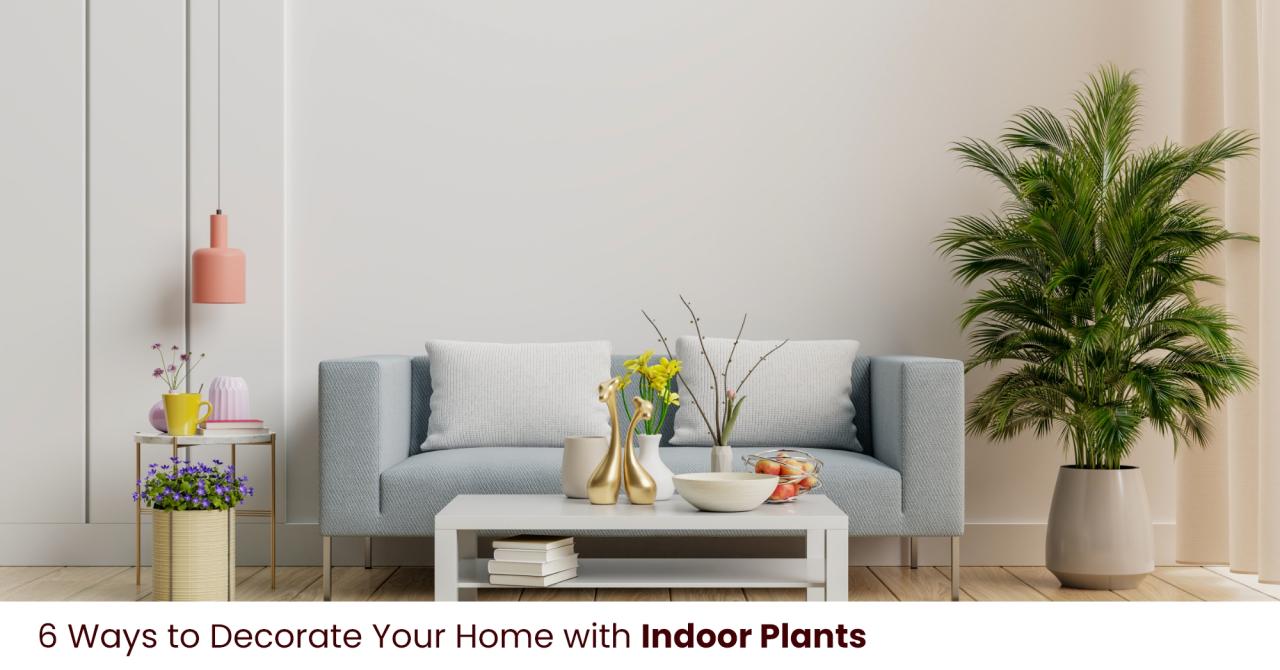
Indoor plants can dramatically transform your home décor, especially when you align them with seasonal color trends. By understanding how to select plants based on seasonal variations and adapting your indoor garden accordingly, you can ensure that your space feels vibrant and fresh year-round. Seasonal considerations not only impact aesthetics but also the health and well-being of your plants, making it essential to stay aware of these changes.Selecting plants based on seasonal color trends can enhance your home’s atmosphere.
For instance, spring often calls for bright, cheerful blooms, while autumn may inspire deeper, richer hues. Observing color palettes trending in home décor can guide your plant selection, ensuring a cohesive look. Here are some seasonal suggestions to consider:
Seasonal Plant Selection
When choosing plants for different seasons, it’s advantageous to consider their growth cycles and color changes. This approach allows you to enjoy a variety of hues and textures throughout the year. Here are some examples of plants that thrive in specific seasons:
- Spring: Consider vibrant flowering plants like African violets or begonias that bring splashes of pink, purple, and yellow to your home as everything comes back to life.
- Summer: Bright, lush foliage can be achieved with plants like pothos or philodendron, which also withstand the heat while adding a tropical feel.
- Autumn: Ornamental kales or colorful fall foliage plants like croton can provide warm oranges and reds, reflecting the season’s transformation.
- Winter: Plants such as amaryllis or Christmas cactus can introduce festive colors like reds and whites, making your home feel warm and inviting during the colder months.
Rotating plants is a fantastic way to keep your décor feeling fresh and exciting. By strategically moving plants around or swapping them out according to the seasons, you can create dynamic visual interest. Here are some tips for effective plant rotation:
Tips for Rotating Plants
To maintain a vibrant indoor garden, consider these simple yet effective rotation strategies:
- Group plants based on their seasonal needs, allowing you to easily swap them as the seasons change.
- Utilize different pot styles and colors to match seasonal decor, enhancing visual appeal.
- Monitor plant health and reposition them as needed for optimal light exposure during seasonal shifts.
Seasonal changes can significantly influence indoor plant health and appearance. Factors such as light availability, humidity levels, and temperature fluctuations can affect growth and vitality. Understanding these seasonal impacts is essential for maintaining healthy plants.
Influence of Seasonal Changes on Plant Health
Keeping an eye on how seasonal variations affect your plants is crucial for their longevity. Here are some important considerations:
- In winter, reduced sunlight may necessitate relocating plants to brighter spots or using grow lights to prevent leggy growth.
- Humidity levels typically drop in winter, so misting or using humidity trays can help keep your plants hydrated.
- During the growing season in spring and summer, increase watering frequency as plants absorb more moisture and nutrients.
- Regularly prune and remove any dead or yellowing leaves to promote healthy growth and prevent disease.
DIY Plant Décor Projects: Best Indoor Plants For Adding Color To Your Home Décor
Creating unique plant displays can transform your living space into a vibrant oasis. DIY projects not only allow you to express your creativity but also enable you to curate a personal touch in your home décor. Let’s dive into some exciting ideas that will help you showcase colorful indoor plants in innovative ways.
Terrariums as Miniature Gardens
Terrariums are a fantastic way to incorporate lush greenery into your home while adding a touch of whimsy. These glass enclosures serve as mini ecosystems that can be tailored to fit any decor style. To create a terrarium, gather materials like glass containers, pebbles, activated charcoal, potting soil, and a selection of small plants. Start by layering pebbles at the bottom of the container for drainage, followed by a thin layer of activated charcoal to keep the environment fresh.
Add potting soil, then plant your chosen greenery. Succulents and air plants work particularly well in terrariums due to their low maintenance nature. Once set up, you can enhance the visual appeal with decorative stones, figurines, or colored sands.
Hanging Gardens for Vertical Appeal
Hanging gardens are an excellent choice for maximizing plant display in limited spaces. They create vertical interest and can soften walls while adding a splash of color. You can use repurposed materials like old wooden crates, pallets, or macramé hangers to suspend your plants. Choose vibrant pots or containers in various shapes and sizes to create visual variety. For instance, a mix of terracotta, ceramic, and colorful plastic pots can add depth and texture.
When arranging the plants, consider the growth patterns and sunlight needs to ensure they thrive.
Colorful Pots and Containers
The right pots and containers can significantly enhance the aesthetic of your plants. Selecting colorful or uniquely designed containers not only complements the plants but can also serve as striking focal points in your décor. Consider using pots in bold colors like teal, mustard yellow, or deep red to contrast with the greenery. You can also opt for patterns such as geometric shapes or floral designs to add further interest.
Integrating different heights and textures, such as matte finishes alongside glossy ones, can create a dynamic display.
Incorporating Plants into Existing Furniture
Integrating plants with your existing furniture can create seamless transitions within a room. Utilizing bookshelves, side tables, or even window sills to display plants can enhance the overall decor without taking up additional space. Place small pots of colorful plants on shelves, or use larger floor plants next to furniture pieces to balance the room. You may also consider plant stands to elevate your greenery, making them more visible while adding height variation to your décor.
This effortless blend of plants with furniture not only beautifies the space but also promotes a sense of harmony and natural comfort.
Maintenance Tips for Colorful Indoor Plants
Taking care of colorful indoor plants is essential to ensure they thrive and maintain their vibrant hues. Proper maintenance not only helps the plants grow but also enhances the overall aesthetic of your home. Understanding their specific needs will enable you to create a nurturing environment that promotes longevity and beauty.Regular care practices, including watering, fertilization, and pest management, are pivotal in maintaining the health of your colorful indoor plants.
Each plant species has its unique requirements, so it’s crucial to familiarize yourself with these specifics. By being attentive and proactive, you can prevent common issues and enjoy a flourishing indoor garden.
Watering Guidelines
Watering is a fundamental aspect of plant care that directly influences the health and vibrancy of your plants. Each species has different needs based on their native environment. Here are some essential tips for watering colorful indoor plants:
- Check the soil moisture before watering. Stick your finger about an inch into the soil; if it feels dry, it’s time to water.
- Use room temperature water to avoid shocking the plant’s roots.
- Water thoroughly until you see it draining from the bottom of the pot, ensuring that the entire root system gets moisture.
- Avoid overwatering, as it can lead to root rot, which is particularly detrimental to colorful varieties.
Fertilization Practices
Fertilization supports the nutrient needs of colorful indoor plants, promoting robust growth and vibrant colors. Different plants may require unique types of fertilizers, and timing is key. Consider the following fertilization practices:
- Use a balanced, all-purpose fertilizer during the growing season (spring and summer) to provide essential nutrients.
- Reduce fertilization in the fall and winter when most plants enter dormancy.
- Follow the manufacturer’s instructions for dosage to avoid nutrient burn.
- Consider using organic fertilizers like fish emulsion or compost for a gentler approach.
Pest Control Strategies
Pests can threaten the health and appearance of your indoor plants. Regularly inspecting for signs of infestations is crucial. Here are strategies for effective pest control:
- Examine the leaves and stems for any discoloration or webbing, which can indicate pest presence.
- Introduce beneficial insects like ladybugs or lacewings, which prey on common pests.
- Use insecticidal soap or neem oil for treatment, ensuring to follow the instructions and test on a single leaf first.
- Maintain cleanliness by removing dead leaves and debris that can attract pests.
Troubleshooting Common Issues, Best Indoor Plants for Adding Color to Your Home Décor
Despite best efforts, colorful indoor plants may encounter issues that affect their health and appearance. Recognizing and addressing these problems early can save your plants. Here are some common issues and troubleshooting tips:
- Yellowing leaves may indicate overwatering or nutrient deficiencies; adjust watering practices and consider fertilization.
- Brown leaf tips are often a sign of underwatering or low humidity; ensure consistent watering and increase humidity if needed.
- Leggy growth suggests insufficient light; reposition the plant for better light exposure.
- Leaf drop can occur due to sudden changes in temperature or drafts; find a stable environment for the plant.
“Prevention is better than cure—regular monitoring and understanding your plants’ needs is vital for vibrant indoor gardening.”
Conclusion
Adding colorful indoor plants to your home décor is not just a trend; it’s a way to infuse your living space with vibrancy and life. Throughout this discussion, we’ve explored the various aspects of incorporating these natural elements into your home, from choosing the right plants to maintenance tips that ensure they thrive. Colorful indoor plants can significantly enhance the aesthetic of your home, creating a welcoming atmosphere and improving overall well-being.
The right selection of plants can transform any room, bringing joy and comfort through their beauty and greenery.
Impact of Colorful Plants on Home Décor
The influence of colorful plants extends beyond mere aesthetics; they play a crucial role in creating an engaging and lively environment. Here’s how incorporating these plants can enhance your home:
-
Visual Appeal:
Brightly colored plants, such as the vibrant red Anthurium or the cheerful yellow Maranta, serve as focal points that attract the eye and draw attention to specific areas of a room.
-
Emotional Uplift:
Surrounding yourself with vibrant greenery can boost your mood and reduce stress, providing a sense of tranquility within your space.
-
Natural Air Purifiers:
Many colorful indoor plants, like the Snake Plant and Spider Plant, improve indoor air quality, making your home not just beautiful but healthier.
-
Seasonal Adaptability:
With options available for every season, colorful plants allow you to refresh your décor in alignment with changing seasons, ensuring your home feels dynamic year-round.
-
Personal Expression:
The variety of colors and forms available in indoor plants enables you to reflect your personal style and preferences in your home décor choices.
In summary, colorful indoor plants not only enhance the visual appeal of your living spaces but also contribute positively to your mental and physical health. By selecting the right plants and arranging them thoughtfully, you can create an inviting atmosphere that celebrates the beauty of nature within your home.