How to Make Your Own Scented Candles Using Natural Ingredients is not just about crafting beautiful decor; it’s an exciting blend of art and science that enhances any home with comforting aromas. Since their rise in popularity, scented candles have become essential in home decor and aromatherapy, bringing warmth and ambiance to our spaces. By utilizing natural ingredients, you can create candles that are not only eco-friendly but also free from harmful chemicals, making them a healthier option.
Let’s explore how to dive into this delightful craft and the benefits it offers.
In this guide, we’ll walk you through the history of scented candles, the essential ingredients needed for making your own, the tools required, and the step-by-step process to ensure your candles turn out perfect every time. We’ll also discuss customization options for those who want to add a personal touch and provide tips for safe candle usage and maintenance. Whether you’re a seasoned crafter or just starting, this journey into candle making promises to be enjoyable and fulfilling.
Introduction to Scented Candles
Scented candles have been a delightful addition to homes for centuries, serving both aesthetic and functional purposes. From the flickering flame to the soothing aromas that fill a room, these candles transform spaces and elevate moods. Their history dates back to ancient civilizations, where they were initially used for illumination and religious ceremonies. Over time, scented candles evolved, gaining popularity for their role in home decor and aromatherapy, offering a simple yet effective way to enhance the ambience of any environment.Using natural ingredients in candle making not only promotes a healthier living space but also aligns with the growing consumer demand for sustainable products.
Traditional candles, often made from paraffin wax and synthetic fragrances, can release harmful toxins when burned. In contrast, natural candles, typically crafted from materials like soy wax, beeswax, or palm wax, provide a cleaner burn and emit delightful fragrances derived from essential oils. These natural alternatives not only benefit personal health but also contribute positively to the environment.
Environmental Impact of Traditional Candles versus Natural Candles
The environmental implications of candle-making are significant, especially when considering the materials used. Traditional candles are primarily made from paraffin wax, a petroleum byproduct that is non-renewable and has a substantial carbon footprint. Conversely, natural candles sourced from sustainable materials have a much lower environmental impact. Natural candles offer several advantages that highlight their eco-friendliness:
- Biodegradability: Natural waxes like soy and beeswax are biodegradable, breaking down more easily in the environment compared to paraffin wax, which can persist for years.
- Renewable Resources: Ingredients such as soybean oil and beeswax are renewable, promoting sustainable farming practices and reducing reliance on fossil fuels.
- No Toxic Emissions: When burned, natural candles emit fewer or no harmful chemicals, improving indoor air quality and reducing health risks associated with inhaling soot and toxins.
- Support for Local Economies: Many natural candle ingredients are sourced from small-scale, local producers, fostering community support and sustainable business practices.
By choosing natural candles, consumers can significantly reduce their carbon footprint and contribute to a healthier planet. Not only do they enhance the sensory experience of their homes, but they also make an environmentally-conscious choice that benefits future generations.
Essential Ingredients for Natural Candles
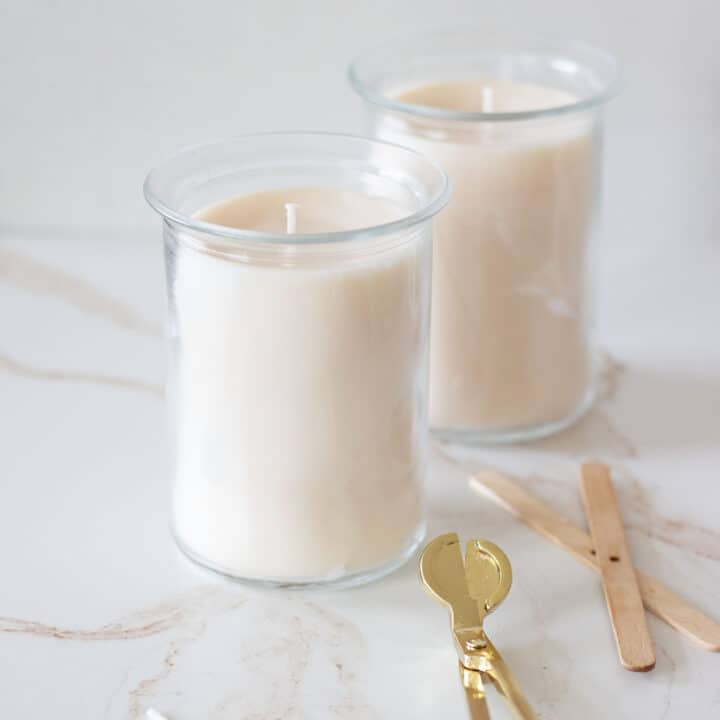
Creating your own scented candles at home can be a rewarding experience, especially when you choose to use natural ingredients. Not only do natural candles provide a more wholesome atmosphere, but they also create a healthier environment by avoiding synthetic additives. Understanding the essential ingredients required for crafting these candles is crucial for ensuring a high-quality final product.When it comes to natural candle making, the type of wax you choose plays a vital role in the burning quality and scent throw of the candle.
Below are some popular wax options you can consider:
Wax Options for Natural Candles
Using the right wax is essential for a successful candle. Here are some commonly used natural waxes:
- Soy Wax: Derived from soybeans, soy wax is a popular choice due to its clean-burning properties and ability to hold fragrance well. It is biodegradable and renewable, making it an eco-friendly option.
- Beeswax: This naturally occurring wax is produced by honeybees. Beeswax candles emit negative ions when burned, which can purify the air. They have a natural honey scent and burn longer than other wax types.
- Palm Wax: Made from palm oil, this wax is known for its unique crystalline appearance and ability to produce beautiful textural effects. It is sustainable when sourced from responsible producers.
Natural fragrances enhance the sensory experience of your candles, and the right sources can make all the difference. Here are some popular natural fragrance options:
Natural Fragrance Sources
The following natural fragrance sources can elevate your candle-making game by infusing delightful scents:
- Essential Oils: Extracted from plants, essential oils provide concentrated scents that can be uplifting or calming, depending on the oil chosen. Popular options include lavender, eucalyptus, and citrus oils.
- Botanical Extracts: These are derived from various parts of plants, including flowers, leaves, and fruits. They can offer unique scents and are often used in combination with essential oils for a layered fragrance.
- Herbs and Spices: Dried herbs and spices such as cinnamon, rosemary, and dried florals can be added directly into the wax for a subtle fragrance, enhancing both the scent and visual appeal of the candle.
Using the right wick is equally important to ensure that your candle burns properly and evenly. Here’s what to know about natural wicks:
Natural Wick Materials
Choosing natural wicks is essential for a clean burning candle. Here are some material options:
- Cotton Wicks: Made from pure cotton, these wicks are a popular choice for natural candles. They burn evenly without emitting harmful chemicals.
- Wood Wicks: Sourced from natural wood, these wicks create a unique crackling sound when burned, adding an ambiance similar to a fireplace. They also provide an attractive visual element.
- Bamboo Wicks: Bamboo wicks are eco-friendly and burn smoothly. They are often combined with cotton for better stability and performance.
“Choosing the right ingredients not only enhances the quality of your candles but also contributes to a healthier environment.”
Tools and Equipment Needed
Creating your own scented candles can be a rewarding and enjoyable experience. To get started, it’s essential to have the right tools and equipment on hand. This not only ensures that the process runs smoothly but also enhances the final product’s quality. Proper preparation of your workspace is equally crucial for safety and cleanliness.Preparing your workspace involves ensuring that you have a clean, flat surface to work on, free from clutter and distractions.
Safety gear such as gloves and goggles should also be at hand to protect against any spills or splashes from melted wax and essential oils. Additionally, having paper towels or a spill mat can help contain any mess, making cleanup easier.
Essential Tools for Candle Making
Here’s a detailed list of the primary tools needed for making scented candles:
- Pouring Pot: A double boiler or a dedicated pouring pot will help melt your wax gently, preventing overheating.
- Thermometer: A thermometer ensures the wax is at the optimal temperature for pouring, typically around 170°F to 180°F (76°C to 82°C).
- Wicks: Choose the appropriate wick size and type based on the candle’s diameter and wax type.
- Molds or Containers: Containers can range from glass jars to silicone molds, depending on your desired candle shape.
- Stirring Spoon or Stick: A heat-resistant spoon or stick is essential for mixing in your fragrances and any additives.
- Scale: A digital scale helps measure wax and fragrance accurately for consistent results.
- Pouring Pitcher: This helps control the pouring process and minimizes spills.
Preparing Your Workspace
Creating a safe and organized workspace can significantly impact your candle-making experience. Here are some recommendations to prepare your area:
- Ensure the area is well-ventilated to disperse any fumes from the wax or fragrance oils.
- Cover the workspace with newspaper or a disposable tablecloth to protect surfaces from spills.
- Have all tools and ingredients within arm’s reach to streamline the candle-making process.
- Maintain a first-aid kit nearby, just in case of any accidents.
Optional Tools to Enhance Candle Making
While the essential tools are crucial for basic candle making, optional tools can elevate your projects and add a personal touch. Here’s a table of optional tools and their benefits:
| Tool | Benefit |
|---|---|
| Color Dyes | Adds visual appeal by allowing you to customize the candle colors to match your decor or mood. |
| Fragrance Oils | Expands your scent options beyond essential oils for a broader range of aromas. |
| Decorative Containers | Enhances the aesthetic of your candles and can serve as unique gifts. |
| Candle Holders | Provides stability and safety when burning your candles. |
| Wax Melter | Offers a more efficient way to melt larger quantities of wax without a stove. |
Step-by-Step Candle Making Process
Creating your own scented candles can be a rewarding and enjoyable experience. By following a step-by-step process, you can ensure that your candles not only smell amazing but also look professional. Below, we’ll dive into the essential steps for melting wax, mixing fragrance oils, and pouring your final product.
Melting the Wax
Melting the wax is the first crucial step in candle making. The type of wax you choose will determine the melting temperature, so it’s important to refer to the specific guidelines for that wax. Generally, natural waxes like soy or beeswax melt between 120°F (49°C) and 180°F (82°C). To melt the wax effectively, use a double boiler method. This involves placing the wax in a heat-safe container over simmering water.
Stir the wax occasionally to ensure even melting and to prevent scorching. It’s advisable to monitor the temperature closely with a thermometer to avoid overheating, which can alter the wax’s properties and affect the candle’s burn quality.
The ideal temperature for soy wax is typically around 170°F (77°C) for melting.
Mixing Fragrance Oils
Incorporating fragrance oils into your melted wax is a vital step to achieving an optimal scent throw. The right timing and temperature play a significant role in how well the fragrance binds with the wax. Once your wax reaches the melting point, allow it to cool to about 160°F (71°C) before adding your fragrance oils. This ensures that the fragrance disperses evenly without evaporating too quickly.
As a general rule, aim for a fragrance load of about 6-10% of the total wax weight. For instance, if you’re using 1 pound (16 oz or 454 g) of wax, adding 1 to 1.6 oz (28-45 g) of fragrance oil will yield a pleasant aroma without being overwhelming.
Mix the fragrance oil thoroughly into the wax for at least 2 minutes to ensure even distribution.
Pouring Wax into Molds
Once the wax and fragrance have been mixed, the next step is pouring the wax into your molds. This is where attention to detail can really pay off, resulting in a smooth, professional-looking candle. Before pouring, ensure that your molds are clean and dry. To avoid air bubbles, which can mar the surface of your candle, pour the wax slowly and steadily from a height of about 6 inches above the mold.
This method encourages the wax to flow smoothly and helps release any trapped air. Aim to pour at a temperature between 140°F (60°C) and 150°F (65°C) for optimal results. For a polished finish, consider using a heat gun to gently smooth out the top surface after pouring. If you notice any imperfections or sinkholes as the wax cools, you can top off your candle with a little extra wax to achieve a flawless surface.
Avoid pouring wax into molds that are too cold, as this can lead to cracks and uneven surfaces.
Customizing Your Scented Candles
Creating your own scented candles is not just about the process; it’s also an opportunity to express your creativity and personal style. By customizing your candles, you can craft unique scent blends that evoke specific moods or memories and incorporate colors and decorative elements that reflect your taste. This personalization elevates your candles from mere home decor to meaningful, handcrafted pieces that enhance your environment.One of the most exciting aspects of candle making is the ability to create custom scent blends using essential oils and natural fragrances.
Blending scents allows you to experiment with different combinations and find unique fragrances that resonate with you. For instance, combining lavender with vanilla can create a calming yet sweet aroma, while mixing citrus notes like lemon and orange with a hint of peppermint can produce an invigorating scent.
Creating Unique Scent Blends, How to Make Your Own Scented Candles Using Natural Ingredients
When crafting your own scent blends, consider the following essential oils and natural fragrances:
- Floral Scents: Lavender, rose, jasmine, and ylang-ylang can create soothing and romantic blends.
- Herbaceous Scents: Rosemary, basil, and sage add a fresh and earthy aroma.
- Spicy Scents: Cinnamon, clove, and nutmeg evoke warmth and comfort.
- Citrus Scents: Lemon, lime, orange, and bergamot provide refreshing and lively notes.
- Woodsy Scents: Cedarwood, sandalwood, and patchouli give a grounding and calming effect.
Experimenting with different ratios of these oils can lead to delightful discoveries. A good starting point is to use a base note, middle note, and top note to create a balanced fragrance. For example, pairing a woodsy base like cedarwood, a floral middle note like rose, and a citrus top note like bergamot can yield an enchanting aroma.
Adding Color to Candles
Color plays a significant role in candle aesthetics, and using natural dyes and pigments can enhance the visual appeal of your creations. Natural colorants can include plant-based powders, such as beetroot powder for pink, spirulina for green, or turmeric for yellow. These ingredients are not just safe; they also add depth and character to your candles.To incorporate color effectively, consider the following methods:
- Pigment Mixing: Gradually mix your chosen natural dye into the melted wax until the desired shade is achieved. Keep in mind that colors may appear differently once cooled.
- Layering Techniques: Pour different colored wax layers one after the other to create a stunning gradient effect.
- Dye Infusion: Infuse your wax with plant matter, such as chamomile flowers or dried lavender, to create subtle hues and add texture.
Using natural dyes not only enhances the beauty of your candles but also aligns with the goal of creating eco-friendly products.
Personalizing Candles with Decorative Elements
Personalization can extend beyond scent and color. Adding decorative elements such as dried flowers, herbs, or even personal mementos can transform your candle into a beautiful piece of art. These elements can be layered into the candle or placed on top after pouring.Consider the following ideas for decorative personalization:
- Dried Flowers: Rose petals, lavender buds, and chamomile can be used to create a romantic and inviting appearance.
- Herbs: Basil, rosemary, or thyme can add a rustic touch and enhance the aromatic experience.
- Personal Mementos: Small trinkets or items significant to you can be embedded in the candle, making it a cherished keepsake.
When adding these decorative elements, ensure they are coated in wax for better adherence and safety. Remember that not all materials burn well; choose items that can withstand the heat of the candle without releasing harmful substances.By incorporating these customization techniques, you can create truly unique scented candles that reflect your personality and creativity while offering a delightful sensory experience.
Tips for Safe Candle Use and Maintenance
When it comes to enjoying your homemade scented candles, safety and maintenance should always be a priority. Proper care can enhance your candle experience, ensuring that they burn beautifully and safely while maintaining their fragrance and quality. Here are some essential tips to ensure safe use and long-lasting enjoyment of your candles.
Guidelines for Burning Scented Candles
Before lighting your scented candles, it’s crucial to follow certain guidelines to ensure a safe and pleasant experience. These practices help prevent accidents and maximize the lifespan of your candles.
- Trim the Wick: Always trim the wick to about 1/4 inch before each use. This helps prevent excessive flickering and soot buildup, leading to a cleaner burn.
- Burn Time Recommendations: Do not burn candles for more than 4 hours at a time. This prevents overheating and maintains the integrity of the wax and fragrance.
- Location is Key: Place candles on stable and heat-resistant surfaces, away from drafts, flammable materials, and out of reach of pets and children.
- Extinguishing Candles: Use a snuffer or gently blow out the candle. Avoid using water to extinguish candles, as it can cause splattering and messy residue.
Proper Storage of Homemade Candles
To maintain the quality of your homemade candles, the way you store them is equally important. Proper storage can prevent your candles from losing scent and shape over time.
- Cool, Dark Places: Store candles in a cool, dark area away from direct sunlight, which can melt or discolor them. Ideal storage can be in a drawer or on a shelf.
- Airtight Containers: Keep candles in airtight containers to protect them from moisture and strong odors that can alter their fragrance.
- Temperature Control: Avoid extreme temperature fluctuations. Candles should ideally be kept at room temperature for the best preservation.
Importance of Patch Testing for Allergies
When using essential oils in your candles, it’s essential to be mindful of potential allergies. Conducting patch tests can help ensure a safe candle experience for everyone.
- Conducting Patch Tests: Before using a new essential oil, apply a small amount to a discreet area of skin and wait 24 hours to check for any adverse reactions.
- Choosing Oils Wisely: Some essential oils are more likely to cause allergic reactions. Researching oil properties and their common effects can help you make safer choices.
- Informing Guests: If gifting homemade candles, consider informing recipients of the essential oils used, particularly if they are known allergens.
Troubleshooting Common Candle Making Issues: How To Make Your Own Scented Candles Using Natural Ingredients
Candle making can be a rewarding hobby, but it’s not without its challenges. Whether you’re a seasoned crafter or a beginner, encountering problems during the candle-making process can be frustrating. Understanding these common issues and their solutions can help ensure your candles turn out beautifully every time.Certain problems can arise during the candle-making process, such as uneven burning, scent fading, or wax discoloration.
Knowing how to identify and address these issues can enhance your candle-making experience and product quality.
Common Candle Making Issues and Solutions
Here is a summary of frequent problems encountered during candle making, along with their respective fixes. This troubleshooting table provides quick reference solutions to help you get back on track.
| Issue | Description | Solution |
|---|---|---|
| Uneven Burning | Candles that burn unevenly can lead to wasted wax and diminished burn time. | Ensure you use the right wick size and material for your candle’s diameter. Consider trimming the wick to keep the flame controlled. |
| Scent Fading | Over time, the fragrance of your candle may diminish significantly. | Use high-quality essential oils and add them at the correct temperature for better scent retention. Store candles away from direct sunlight. |
| Wax Discoloration | Sometimes wax can change color, which may affect the aesthetic of your candle. | Use additives that stabilize the wax, and avoid excessive heat during the melting process. |
| Pitting or Cracking | These surface imperfections can detract from the appearance of your candles. | Pour wax at a steady temperature and consider using a heat gun to smooth out the surface after pouring. |
| Poor Scent Throw | Some candles don’t release their fragrance effectively while burning. | Ensure proper fragrance load. Typically, a 6-10% fragrance load is ideal. Experiment with different wax types for optimal scent throw. |
“Proper troubleshooting can transform your candle-making experience, leading to beautifully crafted and fragrant creations every time.”