How to Incorporate Indoor Plants into Your Home Office sets the stage for a vibrant transformation of your workspace, making it not only more aesthetically pleasing but also healthier and more productive. The presence of indoor plants can significantly enhance air quality, reduce stress levels, and stimulate creativity, making them an essential addition to any home office.
As we explore the various aspects of integrating greenery into your workspace, you’ll learn about selecting the right plants, designing your layout, maintaining plant health, and even fostering a plant-friendly culture among colleagues. By the end of this guide, you’ll have all the tools you need to create a refreshing and inspiring work environment.
Importance of Indoor Plants in a Home Office
Incorporating indoor plants into your home office is not merely an aesthetic choice; it brings a multitude of benefits that can enhance your overall work experience. From purifying the air to boosting your mood, the presence of greenery can significantly transform your workspace into a more inviting and productive environment.The benefits of having indoor plants in your workspace are well-documented.
Research indicates that plants can improve air quality by absorbing harmful toxins and releasing oxygen. Specifically, studies by NASA have shown that certain plants can eliminate indoor pollutants such as formaldehyde and benzene, which are often found in office materials. Moreover, indoor plants have been linked to reduced stress levels and increased feelings of well-being. The calming effect of greenery can lead to lower blood pressure and decreased anxiety levels, which ultimately fosters a more conducive atmosphere for concentration and creativity.
Impact of Natural Elements on Productivity and Creativity
The presence of natural elements, particularly plants, can significantly impact both productivity and creativity in a home office setting. Numerous studies underline how interacting with nature—even in small doses—can lead to enhanced cognitive function and inspiration.
Increased Focus
A study published in the Journal of Experimental Psychology demonstrated that individuals working in environments with plants exhibited higher attention levels and were better at completing tasks efficiently.
Enhanced Creativity
Being surrounded by nature can stimulate creative thinking. For instance, a report by the University of Queensland found that employees exposed to greenery were more likely to think outside the box and generate innovative ideas.
Improved Mood
A workplace filled with plants contributes to a more positive mood among employees. According to a study by the University of Michigan, individuals reported feeling happier and more engaged when they worked in environments enriched with greenery.The integration of plants into your home office not only serves functional purposes, such as air purification, but also fosters an environment where creativity and productivity can flourish.
This natural infusion can transform the mundane aspects of remote work into a more enjoyable and fulfilling experience.
Selecting the Right Plants for Your Office
Choosing the right indoor plants for your home office can significantly enhance your work environment. Not only do they add aesthetic value, but they can also improve air quality, boost mood, and increase productivity. To make informed decisions, it’s essential to consider several factors that affect plant growth and maintenance.When selecting plants for your office, it’s important to consider factors such as light availability, available space, and the specific care each plant requires.
Understanding these elements will help you choose plants that thrive in your environment without demanding excessive attention.
Low-Maintenance Indoor Plants for Office Environments
For those working in a home office, it’s preferable to select plants that are easy to care for yet impactful. Here’s a list of low-maintenance indoor plants that are suitable for office settings:
- Snake Plant: Known for its resilience, it thrives in low light and requires minimal watering.
- Pothos: This vine is adaptable and can grow in various lighting conditions, needing watering only when the soil is dry.
- ZZ Plant: With its glossy leaves, this plant tolerates neglect and low light, making it perfect for busy professionals.
- Spider Plant: An air-purifying plant that prefers indirect light and is relatively forgiving if you forget to water it.
- Peace Lily: Not only does it bloom beautifully, but it also helps to humidify the air and is tolerant of low light.
When selecting these plants, consider their adaptability to your office’s specific environment, which includes the level of natural light, temperature fluctuations, and overall space constraints.
Factors to Consider When Choosing Plants
Choosing the right plant involves understanding several crucial factors:
- Light Conditions: Assess the amount of natural light your office receives. Some plants thrive in bright, direct sunlight, while others prefer low-light conditions.
- Space Availability: Consider the size of your workspace. Larger plants can be great focal points but may require more space than smaller, tabletop options.
- Watering Needs: Different plants have varying watering requirements. Select plants that match your availability for upkeep.
- Temperature and Humidity: Some plants prefer specific temperature ranges and humidity levels. Make sure to pick plants that will be comfortable in your office climate.
Comparison of Various Plant Species and Their Benefits
To further assist in your selection process, the following table compares various indoor plant species along with their benefits for indoor environments:
| Plant Species | Light Requirements | Watering Frequency | Benefits |
|---|---|---|---|
| Snake Plant | Low to Bright Indirect Light | Every 2-6 weeks | Air purification, low maintenance |
| Pothos | Low to Bright Indirect Light | When the soil is dry | Improves air quality, easy to propagate |
| ZZ Plant | Low Light | Every 2-3 weeks | Very drought tolerant, low maintenance |
| Spider Plant | Bright, Indirect Light | When the top inch of soil is dry | Air purification, pet-friendly |
| Peace Lily | Low to Bright Indirect Light | Weekly | Blooms indoors, improves humidity |
Incorporating these factors and options will ensure that you select the right plants that complement your home office while requiring minimal effort to maintain. By making informed choices, you can create a more vibrant and inviting workspace that supports your productivity and well-being.
Designing Your Office Layout with Plants
Incorporating indoor plants into your home office can transform the space, enhance productivity, and create a serene working environment. Whether you have a small nook or a spacious room, plants can be strategically placed to make the most of your layout. The following ideas and tips will help you design an office that not only looks great but also supports your work habits.When designing your office layout with plants, it’s essential to consider the size of your space and the natural light available.
Different arrangements can significantly affect both the aesthetic and functionality of your workspace. Here are some effective strategies for integrating plants into various office configurations.
Integrating Plants in Small Office Spaces
In smaller offices, maximizing space is crucial. Plants can enhance the ambiance without overwhelming the area. Here are a few ideas to consider:
- Wall-mounted Planters: Utilize vertical space by installing wall-mounted planters. This keeps the floor clear while adding greenery. Consider using lightweight materials to avoid damaging the wall.
- Desk Accessories: Choose small potted plants that can fit on your desk without interfering with your work. Succulents or small ferns are great options that require minimal care.
- Hanging Plants: Use ceiling hooks to hang trailing plants like pothos or spider plants. This adds a touch of nature while saving valuable surface area.
Incorporating Plants in Large Office Spaces
For larger offices, you can create a more immersive green environment. Here are suggestions to enhance your space:
- Groupings of Plants: Arrange plants in clusters to create focal points. Mixing different heights and types of plants adds depth and interest. Consider larger plants like fiddle leaf figs or rubber trees that can stand as statement pieces.
- Room Dividers: Use tall plants as natural dividers to define work areas without needing physical barriers. Bamboo palms or Dracaenas work well for this purpose.
- Dedicated Plant Zones: Designate specific corners or areas of the office for a mini indoor garden. This can serve as a relaxing space for breaks and informal meetings.
Optimizing Light Exposure
The placement of your plants directly affects their growth and overall appearance. To maximize light exposure:
- Position sun-loving plants like succulents or cacti near windows where they can receive direct sunlight.
- For lower light areas, consider shade-tolerant plants such as snake plants or ZZ plants that thrive with minimal light.
- Rotate plants periodically to ensure all sides receive equal exposure to light, promoting healthy growth.
Using Plant Stands and Shelves
Plant stands and shelves can help maximize your office space while adding style. Here are some effective ways to utilize them:
- Tiered Stands: Use tiered plant stands to display multiple plants at different heights. This not only creates visual interest but also allows each plant to receive adequate light.
- Floating Shelves: Install floating shelves on the wall to create additional plant space. This is particularly useful in small offices, where floor space is limited.
- Adjustable Shelving Units: Consider using adjustable shelving units that can grow with your collection. This flexibility allows you to rearrange plants as needed for aesthetics or light requirements.
Care and Maintenance of Indoor Plants: How To Incorporate Indoor Plants Into Your Home Office
Maintaining indoor plants in your home office is essential for ensuring they thrive and contribute positively to your workspace. Proper care not only enhances the aesthetic appeal of your office but also promotes better air quality and a more calming environment. Understanding the basic requirements of different plants can make a significant difference in their health and longevity.The care requirements for common office plants, such as spider plants, pothos, and peace lilies, generally revolve around three main aspects: watering, light, and feeding.
Each plant varies in its specific needs, but there are some general guidelines that can be followed.
Basic Care Requirements
Watering is crucial, and it’s important to strike a balance. Overwatering can lead to root rot, while underwatering can result in wilting. A good rule of thumb is to check the top inch of the soil; if it feels dry, it’s time to give your plant a drink. Light conditions greatly influence plant health. Most office plants prefer indirect sunlight; therefore, placing them near a window where they receive filtered light is ideal.
If natural light is limited, consider using grow lights to supplement their needs.Feeding your plants is another aspect of care. Generally, during the growing season (spring and summer), indoor plants benefit from monthly feeding with a balanced fertilizer. In fall and winter, when growth slows, reducing feeding frequency is advisable.
Signs of Plant Stress
Recognizing signs of stress in your plants can help you intervene before significant damage occurs. Common indicators include yellowing leaves, which can suggest overwatering, and browning leaf tips, often a sign of underwatering or low humidity. To effectively address these issues, adjust your watering schedule and consider increasing humidity by misting the leaves or using a humidity tray.
“Regular observation of your plants can help you catch problems early, ensuring a healthier workspace.”
Seasonal Care Adjustments
Indoor plants require different care as seasons change. During winter, many plants enter a dormancy phase, requiring less water and no fertilization. Conversely, as spring arrives, the increase in light and temperature signals a time for growth, meaning you should resume regular watering and feeding schedules. Adapting your care routine according to the seasons is crucial for your plants’ health.
For instance, in the cooler months, it’s wise to monitor for drafts or temperature fluctuations that may affect plant viability. By staying aware of these care and maintenance practices, you can create a flourishing indoor garden in your home office that boosts both productivity and well-being.
Creative Ways to Display Indoor Plants
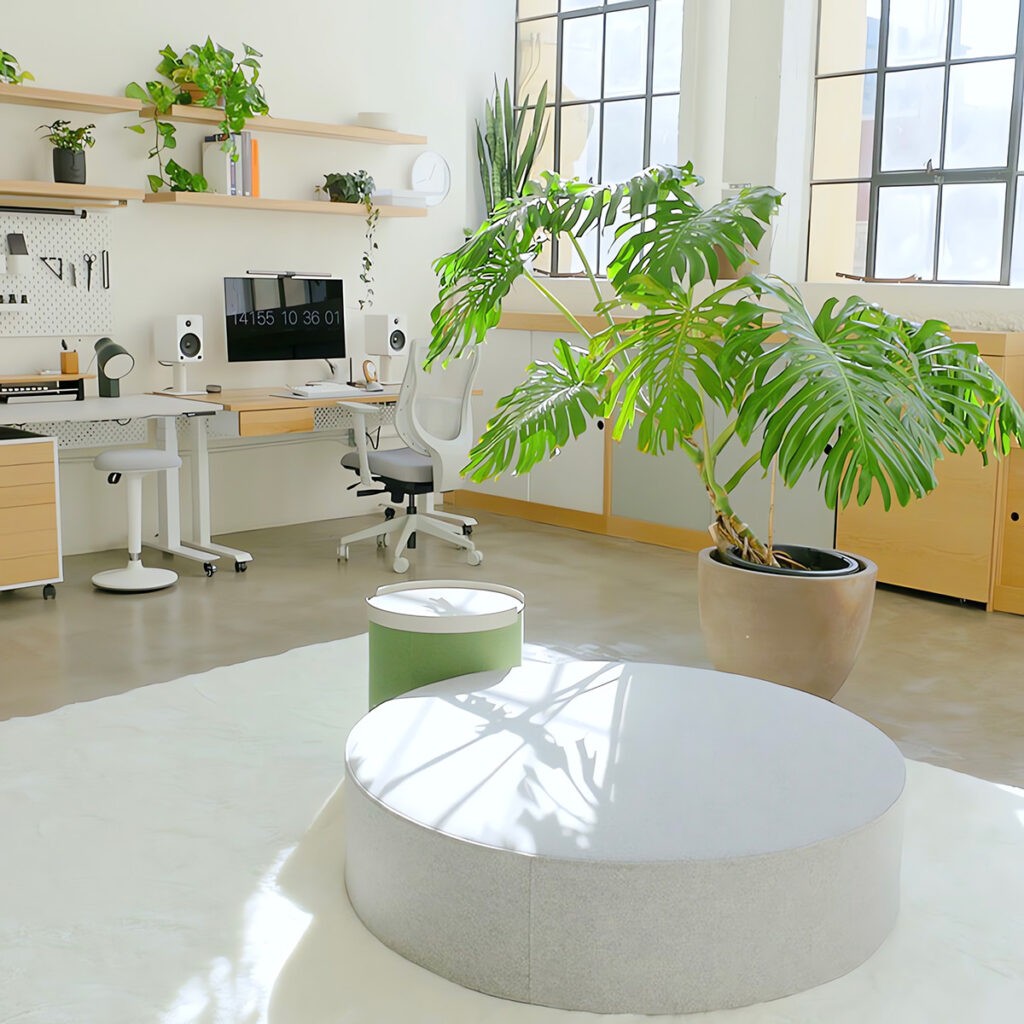
Incorporating indoor plants into your home office can be a delightful way to enhance your workspace while adding a touch of nature. Beyond the benefits of improving air quality and boosting mood, the way you display these plants can significantly influence the overall aesthetic of your office. Let’s explore some creative design suggestions that seamlessly integrate plants into different decor styles.When it comes to displaying indoor plants, aligning them with your existing decor style is key.
For example, if you favor a modern look, sleek geometric pots and clean lines can complement your office’s minimalist approach. Industrial decor, on the other hand, pairs beautifully with rustic wooden plant stands or metal hanging planters. Each style offers unique opportunities to showcase your greenery while maintaining cohesion in your office environment.
Incorporating Plants into Existing Decor Styles
To make the most out of your plant displays, consider these design suggestions tailored to various styles:
Modern
Use uniform pots in monochromatic colors or metallic finishes. Consider placing plants on floating shelves or sleek desks to maintain an uncluttered appearance.
Minimalist
Choose simple, elegant planters with a single plant per pot. Space them strategically around your workspace to create a clean, airy feel.
Industrial
Combine wooden crates or metal wire baskets as plant holders. Hanging plants with macramé hangers can add an edgy touch to your office space.
Bohemian
Utilize eclectic plant pots with vibrant colors and patterns. Layer plants of varying heights on multi-tiered stands or window sills for a lush effect.Adding creative display solutions can further elevate the charm of your indoor plants. Here are some examples of DIY plant holders you can easily create:
Mason Jar Wall Planters
Attach mason jars to a wooden board and fill them with small, low-maintenance plants like succulents or herbs.
Hanging Planter Shelves
A simple wooden shelf suspended with ropes can hold multiple plants at varying heights, drawing the eye upwards and creating visual interest.
Repurposed Items
Old teacups or tin cans can be transformed into charming plant holders. Paint them in bright colors or wrap them in twine for a rustic look.To enhance your plant displays, consider incorporating accessories that complement both the plants and your office decor. Below is a list of accessories that can elevate your indoor plant presentation:
Decorative pots
Choose pots that reflect your personal style, whether sleek ceramic, textured clay, or colorful plastic.
Plant hangers
Use macramé hangers or metal chains to create a floating effect in your office space.
Terrariums
These glass containers can house small plants and add a captivating element to your desk.
Plant stands
Utilize varying heights for plant stands to create depth and dimension in your displays.
Watering cans
A stylish watering can not only serves a purpose but can also add to the decor aesthetic.
Plant labels
Personalize your plant collection with custom labels that indicate care instructions or plant names.By thoughtfully incorporating these elements, you can create a visually appealing and harmonious workspace that celebrates the beauty of nature through your indoor plant displays.
Benefits of a Plant-Friendly Office Culture
Promoting a plant-friendly culture in the workplace can transform not only the office’s aesthetic but also enhance employee relationships and overall morale. By incorporating greenery into the office environment, companies can create a more inviting and collaborative space that encourages interaction among colleagues.Fostering a welcoming atmosphere helps build a sense of community, making employees feel more connected to each other and the company.
This connection can lead to increased collaboration, creativity, and productivity, all while contributing to a more enjoyable work environment.
Community-Building through Plants, How to Incorporate Indoor Plants into Your Home Office
One effective way to promote community and engagement in the office is by initiating a plant adoption program. This program encourages employees to take responsibility for the care of indoor plants, which can lead to stronger bonds among coworkers. Consider the following strategies to successfully implement such a program:
- Organize a “Plant Day” event where employees can choose from a selection of indoor plants.
- Encourage team members to share plant care tips and personal experiences to foster a collaborative spirit.
- Establish a plant rotation where employees can temporarily care for different plants, promoting interaction and teamwork.
- Set up a plant care club where employees can meet to discuss plant health, exchange tips, and even trade plants.
A plant adoption program not only enhances office aesthetics but also creates opportunities for conversation and teamwork. As employees care for their plants, they naturally bond over shared interests and experiences, ultimately fostering a more connected workplace.
Positive Effects of Greenery on Well-Being
The presence of greenery in the office has been shown to have numerous benefits for employee well-being and morale. Research indicates that indoor plants can positively influence mood, reduce stress levels, and improve overall job satisfaction. Here are some key benefits associated with a plant-friendly office culture:
-
Increased productivity: Studies have demonstrated that employees working in plant-rich environments tend to be more productive and focused.
-
Enhanced creativity: The presence of plants can inspire creative thinking and problem-solving among team members.
-
Reduction in absenteeism: A greener workplace can contribute to lower stress levels, leading to fewer sick days and increased attendance.
-
Improved air quality: Indoor plants help filter air pollutants and increase humidity, creating a healthier workspace.
Incorporating plants into the office not only beautifies the environment but also contributes to a thriving workplace culture where employees feel valued and engaged. The benefits are significant, making it easier to attract and retain talent while fostering a positive company image.
Seasonal Considerations for Plant Care
Indoor plants require thoughtful adjustments in care routines throughout the changing seasons. Understanding these seasonal shifts is crucial for maintaining healthy plants and creating a flourishing home office environment. Each season brings unique challenges and opportunities for your indoor greenery, and being prepared can make all the difference in their health and vitality.Seasonal plant care revolves around adjusting watering schedules, humidity levels, and light exposure.
As seasons change, so do the needs of your plants. During winter, for instance, many plants enter a state of dormancy, requiring less water and lighter feeding. Conversely, summer may lead to increased growth, necessitating more frequent watering and ample sunlight. Keeping a close eye on your plants throughout the year will ensure they thrive regardless of the season.
Adjusting Care Routines Based on Seasonal Changes
It’s essential to adapt your plant care routines according to seasonal requirements. Here are key considerations for each season:
- Spring: As plants begin to awaken, increase watering and fertilization. This is the ideal time for repotting and propagating, ensuring your plants have ample room to grow.
- Summer: With longer days and increased temperatures, many plants will require more frequent watering. Monitor humidity levels, as air conditioning can dry out the environment. Consider rotating plants for even light exposure.
- Autumn: As temperatures drop, gradually reduce watering. Many plants will start to slow down their growth, so it’s a good time to evaluate their health and adjust their care accordingly.
- Winter: Most plants will need less water during dormancy. Keep them away from drafty windows and provide adequate light, as days are shorter. Use a humidifier if the air becomes too dry.
Seasonal Plant Choices That Thrive Indoors
Selecting the right plants for each season can transform your home office. Here are some ideal choices for each time of the year:
- Spring: Consider vibrant flowering plants like African violets and peace lilies, which bloom beautifully during this season.
- Summer: Succulents and cacti thrive in summer heat, offering low-maintenance green options that require minimal watering.
- Autumn: Foliage plants such as pothos and spider plants provide lush greenery and adapt well to the changing light conditions.
- Winter: Look for hardy plants like snake plants and ZZ plants that can tolerate lower light levels and don’t require frequent watering.
Mitigating Challenges Posed by Changing Weather
Changing weather can present challenges for indoor plants, such as sudden temperature fluctuations and varying humidity levels. To mitigate these issues, consider the following strategies:
- Temperature Control: Keep plants away from heat sources and cold drafts. Use thermometers to monitor indoor temperatures and make necessary adjustments.
- Humidity Management: Invest in a humidifier during dry winter months to maintain optimal humidity levels. Grouping plants together can also help create a microclimate with higher humidity.
- Light Adjustment: As sunlight changes with the seasons, reposition plants to ensure they receive adequate light. Consider using grow lights during darker months to supplement natural light.
- Pest Monitoring: Seasonal transitions can lead to pest infestations. Regularly inspect your plants for signs of pests and take preventive measures, such as introducing beneficial insects or using organic treatments.