The Pros and Cons of Fast Fashion Shopping take center stage as we delve into an industry that has rapidly transformed fashion consumption. Fast fashion has emerged as a dominant force in the retail landscape, appealing to consumers with its trendy styles and affordable prices. However, beneath the surface of this appealing model lies a complex web of environmental concerns, labor practices, and consumer behavior shaping its future.
Understanding fast fashion begins with its business model, which thrives on quick turnaround times and a constant influx of new styles. This approach keeps consumers returning for more, yet it raises vital questions about sustainability and ethics in an era where mindful shopping is becoming increasingly relevant.
Introduction to Fast Fashion
Fast fashion is a contemporary retail phenomenon characterized by the rapid production of inexpensive clothing items that reflect current fashion trends. Over the past few decades, the fast fashion industry has transformed the way consumers shop, making trendy apparel accessible to a larger audience. Brands like Zara, H&M, and Forever 21 have capitalized on this model, resulting in a significant shift in consumer behavior toward more frequent purchases and a penchant for low-cost, stylish options.The business model of fast fashion involves a streamlined supply chain that enables brands to quickly design, manufacture, and distribute clothing.
This efficiency is largely achieved through the use of subcontractors in developing countries, where labor costs are significantly lower. Fast fashion brands typically release new collections every few weeks, encouraging shoppers to purchase items while they are still trendy. This model has been successful due to its ability to tap into the ever-changing tastes of consumers, fostering a sense of urgency around purchases.
Timeline of Fast Fashion Development
The fast fashion industry has evolved considerably since the 1960s, shaped by cultural and economic shifts. Here is a chronological overview of its key milestones:
- 1960s: The concept of ready-to-wear fashion begins to take root, making stylish clothing more accessible to the average consumer.
- 1980s: Retailers such as Benetton and Gap emerge, offering fashionable items at moderate prices, laying the groundwork for fast fashion.
- 1990s: The term “fast fashion” gains popularity as brands like Zara and H&M revolutionize the industry. They introduce shorter production cycles and frequent inventory turnover.
- 2000s: Fast fashion reaches its peak with the expansion of global brands. The rise of e-commerce and social media accelerates trends, influencing consumer purchasing habits.
- 2010s: Fast fashion begins to face scrutiny over its environmental impacts and labor practices, leading to calls for more sustainable practices within the industry.
- 2020s: Increasing awareness around sustainability prompts some brands to explore eco-friendly materials and ethical production methods while still competing in the fast-paced market.
The progression of fast fashion illustrates not only changing consumer preferences but also the industry’s responses to social and environmental challenges. As fast fashion continues to evolve, its impact on the global market and the environment remains a critical topic of discussion.
Pros of Fast Fashion Shopping
Fast fashion has transformed the clothing industry by making trendy apparel accessible to a wider audience. This phenomenon presents several advantages that appeal to shoppers looking for affordability, variety, and convenience. Understanding these benefits can shed light on why fast fashion has gained such immense popularity.
Affordability of Fast Fashion
One of the most compelling advantages of fast fashion shopping is its affordability. Unlike traditional retail, which often prices items based on quality and brand reputation, fast fashion brands prioritize cost-effective production methods. This allows consumers to purchase trendy clothing at a fraction of the price. For instance, retailers like H&M and Zara offer fashionable pieces that range from $10 to $50, making it easier for budget-conscious shoppers to refresh their wardrobes without breaking the bank.
Diverse Styles and Rapid Availability
Fast fashion brands excel in providing a wide variety of styles that reflect current trends with remarkable speed. The fashion cycle has shortened significantly, allowing new designs to hit the shelves in a matter of weeks rather than months. This rapid turnaround means shoppers can always find the latest looks in-store. For example, during fashion weeks, designers showcase their collections, and fast fashion retailers quickly translate these styles into affordable options, making them available to consumers almost instantly.
This responsiveness to fashion trends helps individuals express their personal style without delay.
Accessibility and Convenience
The accessibility of fast fashion shopping is another key advantage. With numerous retail locations and robust online shopping platforms, consumers can easily find and purchase items that suit their needs. Major fast fashion brands often have physical stores in urban centers, making it convenient for shoppers to browse and buy products in person. Additionally, online shopping offers the flexibility to browse vast inventories from the comfort of home.
Many fast fashion websites provide user-friendly navigation, making it simple to filter by size, color, or style, ensuring an efficient shopping experience tailored to individual preferences.
“Fast fashion allows consumers to stay on-trend without overspending, making fashion more democratic.”
Cons of Fast Fashion Shopping
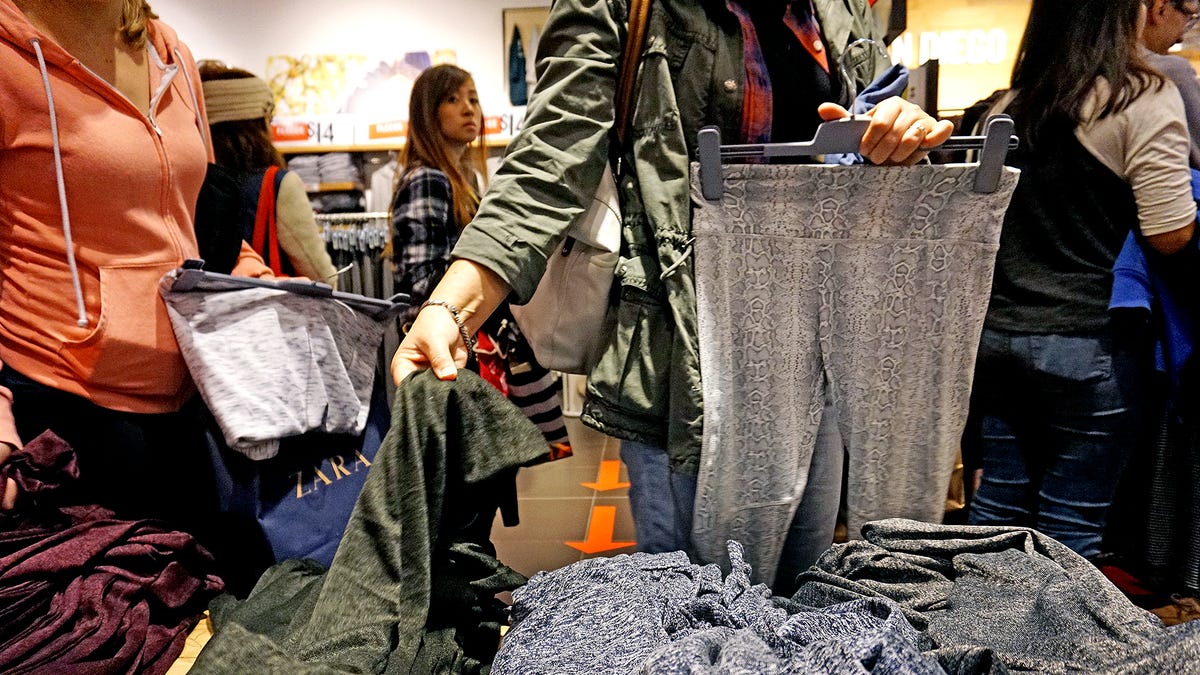
Fast fashion shopping presents numerous drawbacks that are often overshadowed by the allure of trendy and affordable clothing. As consumers become increasingly aware of the implications of their shopping habits, it’s essential to delve into the adverse effects of this industry, particularly concerning environmental and ethical concerns.
Environmental Impact of Fast Fashion Production
The production of fast fashion has a significant environmental footprint that cannot be overlooked. From the cultivation of raw materials to manufacturing and distribution, each stage contributes to environmental degradation. Fast fashion brands typically favor synthetic fibers like polyester, which is derived from petroleum. This process not only consumes vast amounts of non-renewable resources but also generates substantial greenhouse gas emissions.
Furthermore, the dyeing and finishing processes of textiles often involve harmful chemicals that can pollute waterways and harm aquatic life.The statistics regarding waste generated by fast fashion are staggering. According to the Ellen MacArthur Foundation, approximately 92 million tons of textile waste is created annually. This waste primarily comes from discarded clothing, much of which ends up in landfills, where it can take up to 200 years to decompose.
The sheer volume of waste highlights the unsustainable nature of fast fashion consumerism and its long-lasting effects on the planet.
Labor Practices and Ethical Concerns, The Pros and Cons of Fast Fashion Shopping
Fast fashion is notorious for its labor practices, often involving poor working conditions and exploitative wages. Many fast fashion brands outsource their production to developing countries, where labor laws may be lax, and oversight is minimal. This leads to situations where workers, including children, endure long hours in hazardous environments for meager pay. Reports of factories collapsing, such as the Rana Plaza disaster in Bangladesh, illustrate the dire consequences of prioritizing profit over worker safety and well-being.The ethical implications of supporting fast fashion brands extend beyond just labor practices.
Consumers often unknowingly contribute to a cycle of exploitation, as these companies prioritize rapid production and low costs at the expense of human rights. Acknowledging these issues is crucial for making informed shopping choices and fostering a more ethical fashion industry.
“Fast fashion is not just a trend; it is a crisis that demands our attention.”
The intersection of environmental degradation and unethical labor practices paints a concerning picture of fast fashion. By understanding the true costs of our clothing choices, we can begin to shift towards more sustainable and ethical alternatives, ultimately supporting a system that values both people and the planet.
Consumer Behavior and Fast Fashion
The relationship between consumer behavior and fast fashion reveals a complex interplay of psychological factors, spending trends, and social influences. Fast fashion brands, which churn out trendy clothing at a rapid pace, have successfully tapped into the desires and motivations of shoppers, shaping how they perceive fashion and consumption.Psychologically, fast fashion appeals to consumers by catering to their desire for novelty, immediacy, and affordability.
The thrill of acquiring the latest styles at low prices creates a sense of satisfaction and excitement. This phenomenon is often referred to as “retail therapy,” where shopping acts as a temporary escape or mood booster. Consumers feel a rush when they find a trendy piece that aligns with current fashion trends, reinforcing their self-image and social status.
Trends in Consumer Spending on Fast Fashion Items
In recent years, consumer spending on fast fashion has surged, reflecting changing attitudes towards clothing consumption. The affordability and accessibility of fast fashion brands like Zara, H&M, and Forever 21 have contributed to increased spending. Data from market research indicates that consumers are willing to allocate a significant portion of their disposable income to these brands.One notable trend is the rise of “micro-trends,” which are fleeting fashion styles that gain popularity quickly, often fueled by social media influencers.
Consumers feel compelled to keep up with these trends, leading to spontaneous purchasing behaviors. The following points highlight key aspects of spending behavior in fast fashion:
- Increased frequency of purchases, often driven by a desire to update wardrobes regularly.
- Higher spending during sales events and promotional campaigns, where consumers are drawn by the perceived value.
- A growing trend among younger consumers, particularly Gen Z and millennials, who prioritize budget-friendly fashion options.
Influence of Social Media on Fast Fashion Purchasing Decisions
Social media plays a pivotal role in shaping consumer decisions regarding fast fashion. Platforms like Instagram, TikTok, and Pinterest serve as powerful marketing tools, where influencers showcase the latest trends and styles. The visual nature of these platforms creates an environment where consumers are continually exposed to new fashion ideas and products.The impact of social media on purchasing behavior can be summarized as follows:
- The phenomenon of “influencer marketing,” where social media personalities endorse specific brands, significantly boosts consumer interest and trust.
- Hashtags and viral challenges often create a sense of urgency, prompting consumers to purchase items quickly before they go out of style.
- User-generated content, such as fashion hauls and reviews, fosters a community-driven approach to shopping, where consumers rely on peer opinions when making decisions.
The fusion of consumer psychology, spending trends, and social media influence underscores the powerful dynamics driving the fast fashion industry, ultimately shaping the way individuals approach their clothing choices and consumption habits.
Sustainable Alternatives to Fast Fashion: The Pros And Cons Of Fast Fashion Shopping
Sustainable fashion is gaining traction as consumers become more aware of the environmental and ethical implications of their shopping habits. As an alternative to fast fashion, there are numerous brands and practices that support sustainability while still allowing individuals to express their personal style. This section will explore several sustainable fashion brands, the importance of second-hand shopping, and methods for building a sustainable wardrobe.
Sustainable Fashion Brands
Supporting brands that prioritize sustainability is a key component of reducing the impact of fast fashion. These brands often use eco-friendly materials, ethical labor practices, and transparent supply chains. Here are some noteworthy sustainable fashion brands:
- Patagonia
-Known for its commitment to environmental protection, Patagonia offers durable outdoor clothing made from recycled materials. - Everlane
-This brand focuses on “radical transparency,” providing customers with information about production costs and labor practices. - Reformation
-Reformation creates trendy styles while prioritizing sustainable materials and eco-friendly practices. - Eileen Fisher
-With a focus on timeless designs, Eileen Fisher promotes sustainability through responsible sourcing and a take-back program for used clothing. - People Tree
-A pioneer in sustainable fashion, People Tree uses organic cotton and fair trade practices to make stylish clothing.
Importance of Second-Hand Shopping and Thrift Stores
Second-hand shopping is a powerful way to reduce waste and promote sustainability. Thrift stores and online resale platforms allow consumers to find unique pieces while extending the lifecycle of clothing.
Buying second-hand reduces the demand for new clothing production, which is one of the largest contributors to environmental degradation.
Shopping at thrift stores not only supports local communities but also prevents clothing from ending up in landfills. Many thrift stores donate a portion of their profits to charitable causes, thereby making a positive social impact. Thrift shopping encourages creativity and individuality, as each piece has its own story and character.
Methods for Building a Sustainable Wardrobe
Creating a sustainable wardrobe involves mindful practices that prioritize quality over quantity. There are several effective strategies to consider:
- Invest in timeless pieces
-Select high-quality garments that are versatile and can be worn across various occasions, minimizing the need for frequent purchases. - Choose eco-friendly materials
-Opt for fabrics like organic cotton, linen, or Tencel that have a lower environmental impact compared to conventional materials. - Practice thoughtful consumption
-Before making a purchase, ask whether the item will be worn frequently and if it fits in with your current wardrobe. - Repair and upcycle
-Instead of discarding damaged clothing, learn basic repair techniques or find creative ways to upcycle items into something new and useful. - Participate in clothing swaps
-Host or join clothing swap events where you can exchange items with friends or community members, refreshing your wardrobe without spending money.
The Future of Fast Fashion
As the fast fashion industry continues to evolve, consumer attitudes are shifting significantly. The rapid changes in fashion trends, coupled with increasing awareness around sustainability, are prompting a reevaluation of fast fashion’s role in the retail landscape. This section delves into how these changing attitudes, alongside emerging sustainable trends and legislative actions, are shaping the future of fast fashion shopping.
Changes in Consumer Attitudes
Today’s consumers are becoming more conscious of the environmental and ethical implications of their purchases. This shift is evidenced by the growing demand for transparency in the fashion supply chain. Many shoppers are prioritizing brands that demonstrate a commitment to sustainable practices and ethical labor standards. Reports indicate that approximately 60% of consumers prefer to buy from brands that focus on sustainability, reflecting a significant shift in purchasing behavior.
Alongside this trend, social media plays a crucial role in shaping perceptions about fast fashion. Influencers and activists are leveraging platforms to educate their audiences on the downsides of fast fashion, resulting in a more informed consumer base. This has led to a rise in second-hand shopping and clothing rental services, as people seek alternatives to the traditional fast fashion model.
Emerging Trends in Sustainable Fashion
Sustainable fashion is gaining traction as consumers increasingly seek eco-friendly alternatives. Key trends include:
- Upcycling and Recycling: Many brands are adopting innovative methods to repurpose old clothing, reducing waste and promoting a circular economy.
- Biodegradable Fabrics: The development of materials that decompose naturally is gaining popularity, making garments less harmful to the environment.
- Slow Fashion Movement: This movement advocates for mindful consumption, encouraging consumers to invest in high-quality, timeless pieces instead of disposable fashion.
- Transparency in Sourcing: Brands are increasingly disclosing their sourcing practices, allowing consumers to make informed choices about their purchases.
These movements signal a potential decline in fast fashion’s dominance, as consumers gravitate towards brands that align with their values.
Legislation and Initiatives Addressing Fast Fashion
Governments and organizations worldwide are recognizing the need to address the issues associated with fast fashion. Legislative measures are being proposed to mitigate environmental damage and promote ethical labor practices. Recent initiatives include:
- Extended Producer Responsibility (EPR): Policies requiring manufacturers to take responsibility for the lifecycle of their products are being implemented, encouraging sustainable practices.
- Transparency Regulations: Some countries are enacting laws that mandate brands disclose their supply chain practices, thereby holding them accountable for ethical sourcing.
- Incentives for Sustainable Practices: Governments are offering tax breaks and grants to companies that invest in sustainable production methods.
Such actions not only aim to reduce the environmental impact of the fashion industry but also foster a culture of accountability among brands.