How to Read Clothing Labels When Shopping sets the stage for understanding the often-overlooked details that can enhance your shopping experience. Clothing labels are not just there for decoration; they hold vital information that can guide your choices in fabric care, sizing, and ethical considerations. Understanding these labels can help ensure you make informed decisions that suit your style and needs, enabling you to shop with confidence and purpose.
From deciphering fabric compositions to understanding care symbols, this guide will illuminate the essential aspects of clothing labels. You’ll learn how to navigate the complexities of sizing and discover how to choose clothing that aligns with your values regarding sustainability and comfort. With the right knowledge, reading clothing labels can transform your shopping habits into a more thoughtful and enjoyable process.
Understanding Clothing Labels
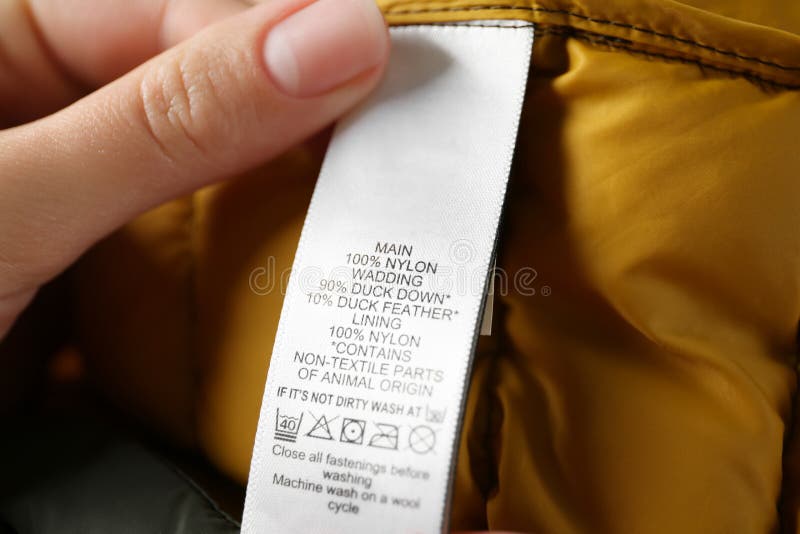
Clothing labels serve as essential guides that help consumers make informed decisions while shopping. They provide crucial information about the garment, including the materials used, care instructions, and sizing. By familiarizing yourself with these labels, you enhance your shopping experience and extend the longevity of your clothing.Understanding clothing labels involves recognizing common symbols and terms that indicate fabric composition and maintenance requirements.
These labels not only inform you about the garment’s quality but also guide you in caring for your clothing appropriately to avoid damage during washing or drying. Here’s an overview of the common symbols and terms you’ll encounter.
Common Symbols and Terms on Clothing Labels, How to Read Clothing Labels When Shopping
Clothing labels typically include a variety of symbols and terms that denote care instructions and fabric details. Recognizing these can significantly impact the longevity and appearance of your garments. Below is a list of commonly used symbols along with their meanings:
- Washing Symbol: A tub with water indicates how to wash the garment. A number inside the tub represents the maximum water temperature.
- Bleaching Symbol: A triangle indicates whether bleach can be used. A crossed-out triangle means no bleach should be applied.
- Drying Symbol: A square with a circle inside shows how the garment can be dried. A dot inside the circle denotes the heat level (one dot for low heat, two dots for medium, and three for high).
- Ironing Symbol: An iron icon informs you about ironing practices. Dots indicate the temperature setting: one dot for low, two for medium, and three for high.
- Professional Textile Care Symbol: A circle with a letter indicates specialized cleaning services (e.g., ‘P’ for perchloroethylene, common in dry cleaning).
“Reading clothing labels ensures that you maintain your garments correctly, preserving their look and feel over time.”
The significance of reading clothing labels extends beyond understanding how to care for your clothes. It also influences your purchasing decisions by revealing information on fabric types, which can impact comfort, durability, and even sustainability. For instance, garments made from natural fibers such as cotton or wool might require different care procedures compared to synthetic materials like polyester or nylon.
By considering these factors, you can make better choices suited to your lifestyle and preferences.
Fabric Composition
When shopping for clothing, understanding fabric composition is essential for making informed choices. The fabric composition section on a clothing label provides critical information about the materials used to make the garment, influencing factors such as comfort, durability, and care instructions. By knowing how to read this section, you can select clothing that suits your needs and lifestyle.Locating the fabric composition on a label is typically straightforward.
It is often found on the inside tag, along with other details such as care instructions and size. The fabric composition will specifically list the types of fibers used, often followed by the percentage of each fiber. For example, a label might read “65% Polyester, 35% Cotton,” indicating the blend of materials.
Common Fabric Types and Their Properties
Understanding the properties of various fabrics can help determine their suitability for different occasions and climates. Here’s an overview of some common fabric types along with their characteristics:
- Cotton: A natural fiber known for its softness and breathability. It is hypoallergenic and easy to care for, typically machine washable. Cotton is a great choice for everyday wear but can wrinkle easily.
- Wool: Another natural fiber, wool is excellent for insulation. It has moisture-wicking properties, making it warm in winter and cool in summer. Wool often requires careful cleaning, usually hand wash or dry clean only.
- Polyester: A synthetic fiber that is durable and resistant to shrinking and stretching. Polyester blends well with natural fibers, offering improved wrinkle resistance. It is easy to care for but can retain odors.
- Nylon: A strong and resilient synthetic fiber, nylon is often used in activewear due to its stretch and moisture-wicking properties. It is generally machine washable and quick-drying.
- Rayon: A semi-synthetic fiber made from natural cellulose, rayon is soft and breathable but may require special care like dry cleaning. It drapes well and is often used in dresses and blouses.
The choice between natural and synthetic fibers significantly affects comfort and durability. Natural fibers like cotton and wool tend to be more breathable and comfortable against the skin, making them ideal for long wear. However, they may require more care and can wear out faster over time. In contrast, synthetic fibers such as polyester and nylon boast durability and resistance to various environmental factors like moisture and mildew, making them practical for active and varied use.
Nonetheless, they may not be as comfortable or breathable as their natural counterparts, which can lead to discomfort in warm weather or during extended wear.
“Understanding fabric composition allows you to choose clothing that not only looks good but feels good and lasts.”
Care Symbols
When it comes to clothing, understanding care symbols is essential for maintaining their quality and longevity. These symbols provide important insights into how to properly wash, dry, iron, and treat your garments, ensuring they remain in excellent condition. Familiarizing yourself with these symbols can save you time, money, and prevent unnecessary wear and tear on your favorite clothes.The following table Artikels common care symbols found on clothing labels, along with their respective meanings to help you decipher them easily.
| Symbol | Meaning |
|---|---|
| 🧼 | Machine wash at a specified temperature |
| 🧴 | Hand wash only |
| ❄️ | Do not wash |
| ☀️ | Line dry or hang to dry |
| 🌀 | Dry clean only |
| 🚫 | No bleach |
| 🔥 | Iron at a specified temperature |
Understanding these symbols allows you to follow care instructions effectively, which is vital for extending the life of your clothing. Here are some methods to keep in mind:
Read Labels Carefully
Always check the care instructions before washing or attempting to clean an item. This will help you avoid damaging the fabric.
Use Appropriate Settings
When washing, select the right cycle based on the care symbols. For instance, delicate items should be washed on a gentle cycle.
Avoid Overloading the Washer
Giving your clothes space to move helps prevent wear and tear.
Use Cold Water When Possible
Cold water is gentler on fabrics and can prevent colors from fading.
Dry Naturally When Applicable
Whenever possible, air drying your clothes will reduce the risk of shrinkage and fabric damage compared to using a dryer.By integrating these practices into your laundry routine, you can significantly enhance the longevity of your garments, keeping them looking fresh and new for longer periods.
Sizing Information: How To Read Clothing Labels When Shopping
When shopping for clothing, understanding sizing information is crucial for finding the perfect fit. Sizes can vary significantly across different countries and brands, making it essential to know how to interpret sizing labels accurately. Familiarizing yourself with these systems will enhance your shopping experience, ensuring you choose clothing that complements your body type.Around the world, different sizing systems exist, and each country has its own standard measurements.
These variations can lead to confusion, especially when shopping internationally. Below is an overview of some common sizing systems used globally, which will help you better understand how to select the right size.
Global Sizing Systems
The diversity in sizing systems can be categorized primarily into three major classifications: numeric, alphabetic, and regional. Here’s a breakdown of these systems:
- Numeric Sizes: Commonly used in countries like the United States, numeric sizes typically range from 0 to 20 for women and from 28 to 40 for men. For example, a size 8 women’s dress in the U.S. can correspond to different measurements in other countries.
- Alphabetic Sizes: This system uses letters (S, M, L, XL) to denote sizes. These letters may represent different sizes across various brands, making it harder to compare. For instance, a Medium in one brand may differ from a Medium in another.
- Regional Systems: Countries like the UK and Europe have their own sizing conventions. A UK size 12 corresponds to a European size 40 but may not match a US size 8, highlighting the need for careful consideration when shopping across borders.
To ensure size consistency across brands, it’s essential to be proactive. Many retailers provide size charts that detail measurements for each size. Comparing your measurements to these charts can help you identify the best fit. Additionally, keep in mind that some brands may have their own unique sizing standards, so always double-check before purchasing.
Importance of Fit
Fit is paramount when it comes to clothing, as it impacts not only your comfort but also your overall appearance. Understanding how labels guide the selection process can significantly enhance your shopping experience. Labels often provide detailed information on fit types, such as slim fit, regular fit, or relaxed fit, which can help you determine how the garment will sit on your body.Consider these aspects when assessing fit:
- Body Shape: Different cuts are designed for various body types. For example, a tailored fit may suit an hourglass figure, while straight cuts may be ideal for athletic builds.
- Fabric Stretch: Some materials offer stretch, which can affect the fit. Fabrics like spandex or elastane allow for more flexibility, while cotton may fit more snugly.
- Measurement Guidelines: Always refer to size charts that include specific measurements for bust, waist, and hips. This can guide you in selecting items that will fit comfortably.
Always prioritize fit over size when shopping. A size label may not define how flattering or comfortable the garment will be on you.
Understanding sizing information and its implications on fit can enhance your shopping efficiency and satisfaction. It empowers you to make informed decisions that reflect your personal style and comfort needs.
Ethical and Sustainable Practices
As consumers become more aware of their impact on the environment, understanding ethical and sustainable practices in clothing production has never been more important. Recognizing environmentally friendly clothing labels can help you make informed choices while shopping, supporting both ethical manufacturing and sustainability initiatives.Identifying environmentally friendly clothing labels involves looking for specific certifications and symbols that indicate a brand’s commitment to sustainable practices.
Some clothing labels might highlight their use of organic materials, fair trade practices, or environmentally conscious manufacturing processes. These certifications assure consumers that the products have met rigorous standards for sustainability.
Certifications Indicating Sustainable Practices
Several certifications help consumers identify sustainable clothing options. Understanding these labels can guide you toward brands that prioritize ethical production. Below are some of the most recognized certifications in the fashion industry:
- Global Organic Textile Standard (GOTS): This certification ensures that textiles are made from organic fibers and adhere to strict environmental and social criteria throughout the supply chain.
- Fair Trade Certified: Fair Trade certification indicates that the product was made in compliance with fair labor practices, ensuring fair wages and safe working conditions for all workers involved in production.
- OEKO-TEX Standard 100: This certification guarantees that textiles are free from harmful substances and safe for human health, which is especially important in clothing worn close to the skin.
- Bluesign: Products with the Bluesign certification are made from sustainable materials and produced in an environmentally friendly manner, reducing waste and pollution.
- Cradle to Cradle Certified: This certification assesses products based on their safety, circularity, and responsibility, encouraging innovation in sustainable design.
Brands that are known for their ethical manufacturing processes often incorporate these certifications into their product lines. By choosing to shop from such brands, consumers can actively support sustainable practices. Here are a few pioneering brands recognized for their commitment to ethical production:
- Patagonia: Known for its environmental activism and commitment to sustainable materials, Patagonia uses recycled materials and promotes fair labor practices.
- Eileen Fisher: This brand focuses on sustainable practices by using organic and recycled fibers, and it has a robust take-back program for used garments.
- Everlane: Everlane emphasizes transparency in pricing and production, partnering with ethical factories and providing insight into their manufacturing process.
- Reformation: Reformation is renowned for its eco-friendly practices and stylish collections, using sustainable fabrics and promoting resource conservation.
- Allbirds: This footwear brand focuses on using natural materials like merino wool and eucalyptus tree fibers, prioritizing sustainability in its production methods.
By recognizing these labels and supporting brands that adhere to ethical practices, consumers can contribute to a more sustainable and responsible fashion industry.
Special Considerations for Sensitive Skin
When shopping for clothing, individuals with sensitive skin must pay particular attention to the labels and fabric types they choose. Sensitivities can be exacerbated by harsh materials, dyes, and chemical finishes commonly used in textiles. Understanding what to look for on labels can help avoid discomfort and skin reactions, ensuring that your wardrobe not only looks good but feels good too.Hypoallergenic labels are an essential part of shopping for sensitive skin.
These labels indicate that the fabric is less likely to cause allergic reactions due to the absence of common irritants. However, it’s important to note that “hypoallergenic” does not guarantee that a product will not cause a reaction for everyone; rather, it suggests a reduced risk.
Common Irritants in Clothing Materials
Certain fabrics and finishes can trigger skin sensitivities. Identifying common irritants helps in making informed choices. Here are materials and substances to watch out for:
- Wool: While warm and natural, wool can be itchy for many, causing irritation and rashes.
- Polyester: This synthetic fabric can trap heat and moisture, leading to skin irritation and discomfort.
- Dyes and Chemicals: Many clothing items are treated with dyes, formaldehyde, and other chemicals that can provoke allergic reactions.
- Latex: Often found in elastic bands and some clothing finishes, latex can cause severe allergic reactions in sensitive individuals.
To avoid these irritants, it’s crucial to consider both the fabric composition and any treatments used during manufacturing. Opting for natural fibers and checking for hypoallergenic labels can significantly minimize potential skin irritations.
Strategies for Selecting Gentle Fabrics
Choosing the right fabrics can greatly enhance comfort for those with sensitive skin. Below are effective strategies to ensure that your clothing is skin-friendly:
- Prioritize Natural Fibers: Fabrics such as cotton, linen, and bamboo are breathable and less likely to irritate the skin.
- Look for Organic Options: Organic fabrics are grown without harmful pesticides and chemicals, making them safer for sensitive skin.
- Check for Softness: Choose fabrics that have a soft texture, as rough materials can cause friction and irritation.
- Avoid Synthetics: Limit the use of synthetic blends, especially those with high polyester content.
- Read Care Labels: Fabrics that require harsh chemical cleaning methods may not be ideal for those with sensitivities.
By being mindful of these factors and choosing your fabrics wisely, you can enjoy comfortable clothing that protects your skin and promotes overall well-being.
Online Shopping and Label Information
Shopping for clothing online can be both convenient and overwhelming, especially when it comes to understanding label information. Unlike in-store shopping, where you can physically inspect the labels, online shopping requires you to rely heavily on the product descriptions and images provided by retailers. This makes it essential to know how to effectively navigate label information in a digital context.Finding label information while shopping online can be straightforward if you know where to look.
Most online retailers provide detailed product descriptions that include fabric composition, care instructions, and sometimes sizing recommendations. Additionally, customer reviews can offer real-life insights into the accuracy of the label information, including how the garment fits and how it holds up after washing.
Importance of Product Descriptions and Customer Reviews
Product descriptions are your first line of defense when it comes to understanding what you’re purchasing. These descriptions usually contain crucial details about the fabric type and care requirements, which can significantly affect your satisfaction with the item. Customer reviews can highlight aspects that might not be included in the description, such as actual sizing variations or how the fabric feels against the skin.
When assessing label information before making a purchase, consider following this checklist to ensure you have all the necessary details:
- Check for fabric composition: Look for details such as “100% cotton” or “polyester blend” to ensure the material meets your preferences.
- Read care symbols: Find instructions on how to properly wash and maintain the garment to avoid damage.
- Verify sizing information: Compare the sizing chart provided with your own measurements to confirm the best fit.
- Consult customer reviews: Look for feedback specifically addressing fabric quality, comfort, and durability.
- Examine return policies: Make sure the store has a favorable return policy in case the clothing does not meet your expectations.
“Reading product descriptions and customer reviews is essential for informed online shopping, especially when it comes to understanding clothing labels.”
By following this checklist, you can make more informed decisions and minimize the chances of disappointment with your online clothing purchases.