The Best Eco-Friendly Fashion Brands in 2025 marks a pivotal moment in the fashion industry as sustainability takes center stage. With an increasing awareness of environmental issues, brands are stepping up to meet consumer demand for eco-conscious products, adopting innovative practices that blend style with environmental responsibility. From sustainable materials to cutting-edge technology, 2025 is set to showcase a wave of eco-friendly fashion that not only looks good but also does good.
This year, we delve into the key trends shaping eco-friendly fashion, explore the criteria that define a brand’s commitment to sustainability, and highlight the leading players that are changing the game. As we navigate this exciting landscape, it’s clear that the future of fashion is not just about aesthetics but also about making choices that positively impact our planet.
Overview of Eco-Friendly Fashion Trends in 2025
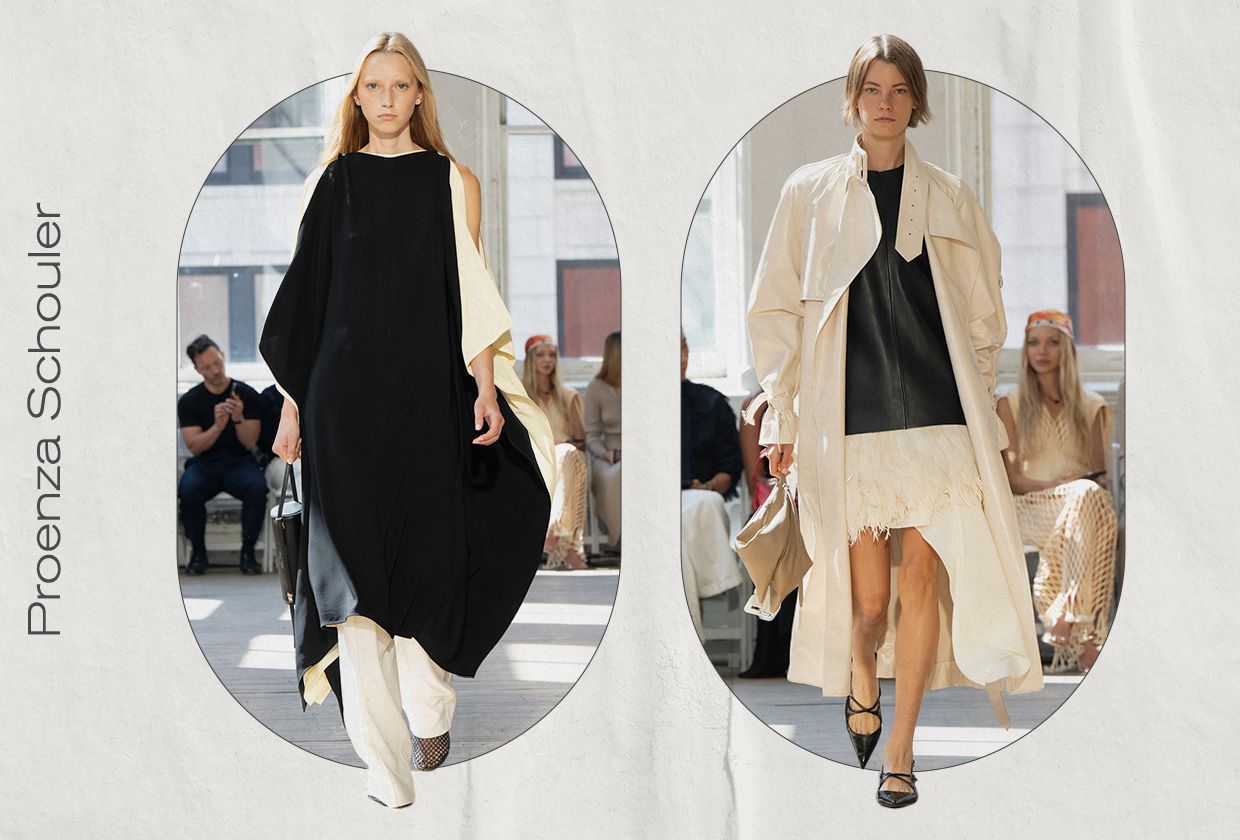
In recent years, the fashion industry has seen a significant shift towards sustainability, and 2025 is shaping up to be a pivotal year for eco-friendly fashion. With increasing awareness of environmental issues, brands are now prioritizing eco-conscious practices and materials in their collections. This movement not only benefits the planet but also resonates with a growing consumer base that values ethical production and sustainable practices.The emergence of sustainable materials is revolutionizing how fashion is produced and consumed.
Brands are increasingly adopting textiles made from recycled plastics, organic cotton, and innovative materials like Tencel and Piñatex, which are derived from natural sources. This shift is not merely a trend; it is a necessary evolution in response to the environmental crisis. The impact of sustainable materials on the fashion industry is profound, as it lowers carbon footprints and reduces waste, leading to a more circular economy.
Consumer Demand for Eco-Friendly Products
The demand for eco-friendly fashion is at an all-time high, driven by consumers who are more informed and conscious about their purchasing decisions. As sustainability becomes a core value for many shoppers, brands are responding by implementing transparent supply chains and offering products that align with these values. This consumer-driven change has led to the following:
- Increased availability of sustainable options, with more brands launching eco-friendly lines.
- Collaboration between traditional retailers and sustainable brands to enhance offerings.
- Investment in ethical production practices and fair labor conditions to attract eco-conscious buyers.
- Provision of detailed information on product sourcing and manufacturing processes to build trust with consumers.
The influence of social media cannot be understated, as platforms like Instagram and TikTok amplify the visibility of sustainable fashion brands, encouraging users to make more conscious decisions.
Role of Technology in Sustainable Fashion
Technology plays a crucial role in enhancing sustainable fashion practices by introducing innovative solutions that reduce waste and improve efficiency. Advancements in textiles, production processes, and supply chain management are reshaping the industry’s landscape.Key technological developments include:
- 3D printing, which allows for on-demand production, minimizing excess inventory and waste.
- Wearable technology that promotes sustainable consumption by tracking garment usage and encouraging recycling.
- Blockchain technology for transparent supply chain tracking, allowing consumers to verify the sustainability of their purchases.
- AI and data analytics that help brands forecast trends more accurately, reducing overproduction.
These technologies not only enhance operational efficiencies but also align with consumer expectations for accountability and sustainability.
Criteria for Evaluating Eco-Friendly Fashion Brands
In the rapidly evolving landscape of sustainable fashion, consumers are increasingly seeking guidance on how to identify truly eco-friendly brands. Understanding the criteria that define a brand’s eco-friendliness is crucial for making informed choices that align with environmental values. These criteria extend beyond marketing claims and delve into the actual practices that support sustainability.One of the primary standards for evaluating eco-friendly fashion brands involves their commitment to sustainable materials and ethical production processes.
This encompasses the selection of raw materials, adherence to ecological practices, and the overall lifecycle of the product. Recognizing certifications and labels can also serve as a reliable indicator of a brand’s commitment to sustainability.
Standards for Eco-Friendliness
To effectively assess a fashion brand’s eco-friendliness, several key standards come into play. These standards often include:
- Material Sourcing: Brands should prioritize organic, recycled, or upcycled materials that reduce environmental impact.
- Manufacturing Processes: Eco-friendly brands often employ energy-efficient methods, minimal water usage, and non-toxic dyes to lower their ecological footprint.
- Fair Labor Practices: Ethical production involves ensuring fair wages and working conditions for all workers in the supply chain.
- Waste Reduction: Brands can showcase their commitment by adopting circular fashion principles, such as take-back programs or zero-waste designs.
Certifications and Labels in Sustainable Fashion
Various certifications and labels signify that a fashion brand adheres to sustainable practices. Understanding these labels enables consumers to make more informed choices. Notable certifications include:
- Global Organic Textile Standard (GOTS): This certification ensures that textiles are made from organic fibers and adhere to strict environmental and social criteria.
- OEKO-TEX Standard 100: This label guarantees that products are free from harmful substances and have been tested for safety.
- Fair Trade Certified: Brands with this certification commit to ethical sourcing and fair labor practices, ensuring fair wages and safe working conditions.
- Bluesign: This certification focuses on sustainable textile production, emphasizing resource efficiency and consumer safety.
Importance of Transparency in Supply Chain Management
Transparency in supply chain management is paramount for eco-friendly fashion brands. It allows consumers to trace the origins of their clothing and understand the environmental and social impacts of their purchases. Brands that practice transparency often provide detailed information about sourcing, production, and labor practices. This openness builds trust and accountability, fostering a relationship with consumers who prioritize ethical considerations in their buying decisions.
Incorporating transparency mechanisms, such as blockchain technology or detailed sustainability reports, can further enhance a brand’s credibility. Consumers are increasingly drawn to brands that openly share their journey toward sustainability and the measures they take to reduce their carbon footprint.
Transparency is not just a trend; it’s a fundamental expectation from consumers who demand accountability in fashion.
Highlighting Leading Eco-Friendly Fashion Brands
As the fashion industry increasingly embraces sustainability, a number of brands have emerged as leaders in the eco-friendly movement. These companies not only prioritize the environment but also offer stylish and innovative products that appeal to conscious consumers. Here, we spotlight some of the top eco-friendly fashion brands of 2025, showcasing their unique offerings and sustainable practices.The following brands have set themselves apart by integrating eco-friendly materials, ethical labor practices, and transparency into their business models.
Their commitment to sustainability resonates with consumers, who are looking for both style and responsibility in their fashion choices.
Top Eco-Friendly Fashion Brands in 2025
This section details the leading eco-friendly fashion brands that have made significant strides in sustainable practices.
- Patagonia
-Known for its high-quality outdoor wear, Patagonia uses recycled materials and donates a portion of profits to environmental causes. Their ‘Worn Wear’ program encourages customers to repair and repurpose their gear. - Reformation
-A popular women’s clothing brand that focuses on sustainable materials and ethical production. Reformation provides transparency by sharing the environmental impact of each piece on their website. - Eileen Fisher
-This brand emphasizes circular fashion and fair trade. Eileen Fisher’s ‘Renew’ program takes back worn clothing for recycling or resale, reducing waste. - Allbirds
-Famed for its sustainable footwear, Allbirds uses merino wool and eucalyptus tree fibers. The brand is committed to carbon neutrality and has launched initiatives to offset their carbon footprint. - Veja
-This sneaker brand stands out for its ethical sourcing of materials. Veja uses organic cotton, wild rubber, and upcycled materials, ensuring a low environmental impact in its production processes.
Comparison of Sustainable Practices
To better understand the impact of these leading brands, a comparison of their sustainable practices is Artikeld below.
| Brand | Sustainable Materials | Production Transparency | Responsible Initiatives |
|---|---|---|---|
| Patagonia | Recycled polyester, organic cotton | Detailed impact reports | Worn Wear program, environmental donations |
| Reformation | Eco-friendly fabrics, deadstock | Product impact calculator | Transparency in supply chain |
| Eileen Fisher | Organic linen, recycled materials | Public sustainability goals | Renew program, fair trade practices |
| Allbirds | Merino wool, eucalyptus tree fibers | Carbon footprint disclosures | Carbon neutrality commitment |
| Veja | Organic cotton, wild rubber | Full transparency in sourcing | Support for small producers |
Communicating Eco-Friendly Initiatives
Leading eco-friendly fashion brands effectively communicate their sustainability efforts to consumers through various innovative strategies. These brands engage their audience by utilizing social media, influencer partnerships, and impactful storytelling. For instance, Patagonia often shares stories about their environmental activism and encourages customers to participate in conservation efforts. Reformation takes advantage of its online platform to showcase the environmental impact of its products, fostering an informed consumer base.Furthermore, many brands create educational content that highlights the importance of sustainable practices, helping consumers understand their choices.
The transparency of Eileen Fisher’s supply chain is regularly communicated through detailed reports, reinforcing consumer trust. By adopting these approaches, eco-friendly fashion brands are not only building loyalty but also raising awareness about the significance of sustainable fashion.
Innovative Practices Adopted by Eco-Friendly Brands
In recent years, eco-friendly fashion brands have taken significant strides in transforming the industry through innovative practices that prioritize sustainability. The incorporation of circular economy principles, upcycling, and local sourcing are some of the key strategies that these brands employ to minimize their environmental impact and promote ethical consumption. This section delves into how these practices not only contribute to ecological preservation but also create a more responsible fashion landscape.
Circular Economy Principles in Production
The circular economy is a transformative approach that shifts away from the traditional linear model of “take, make, dispose.” Instead, it emphasizes the continual use of resources, reducing waste, and fostering sustainability. Many eco-friendly fashion brands have embraced this model by designing products with longevity in mind, enabling repairs, and promoting recycling programs. This approach not only conserves resources but also encourages consumers to think about the lifecycle of their clothing.For example, brands like Patagonia have established programs where customers can return worn items for repair or recycling, ensuring that materials are reused rather than ending up in landfills.
Similarly, Eileen Fisher has launched a take-back program where customers can return their old garments in exchange for store credit, which are then refurbished or recycled into new products.
Utilization of Upcycling and Recycling
Upcycling and recycling are pivotal practices in the eco-friendly fashion movement. Upcycling involves taking discarded materials and transforming them into new, valuable products, while recycling focuses on breaking down old items to create new raw materials. These methods not only reduce waste but also encourage creativity and innovation in fashion design.Brands like Reformation have been at the forefront of this movement, using deadstock fabrics and recycled materials to create stylish clothing.
Their commitment to sustainability is showcased in collections made entirely from recycled fibers. Additionally, Rag & Bone has introduced a line that incorporates fabric scraps from their production process, showcasing how even small pieces can be transformed into fashionable apparel.
Local Sourcing and Production
Local sourcing and production play a significant role in reducing carbon footprints associated with fashion. By sourcing materials and manufacturing products locally, brands can minimize transportation emissions and support local economies. This practice not only benefits the environment but also fosters community engagement and economic resilience.Brands such as Outerknown prioritize local production, ensuring that their manufacturing processes are as close to their customers as possible.
This focus helps to decrease shipping distances, significantly lowering carbon emissions. Furthermore, brands like Everlane are transparent about their sourcing practices, often highlighting the factories they work with and their commitment to fair labor standards.In conclusion, the innovative practices adopted by eco-friendly fashion brands not only serve to combat environmental challenges but also set a precedent for responsible consumer behavior.
As more brands join the movement toward sustainability, the impact on the fashion industry is likely to be profound and lasting.
The Future of Eco-Friendly Fashion
The evolution of eco-friendly fashion is set to expand dramatically as we look ahead, driven by advancements in technology and a shifting consumer mindset. As awareness around sustainability continues to grow, brands must adapt to emerging trends while facing new challenges in their quest for greener practices.
Emerging Technologies Reshaping Sustainable Fashion
Innovative technologies are poised to revolutionize the eco-friendly fashion industry, enhancing efficiency and reducing environmental impact. Some noteworthy technologies include:
- 3D Printing: This technology offers the ability to create custom garments with minimal waste, allowing for on-demand production that decreases overstock and reduces inventory costs.
- Biodegradable Fabrics: Materials such as mycelium leather and bioengineered fibers are gaining traction, providing sustainable alternatives to conventional textiles that are often harmful to the environment.
- Smart Textiles: Incorporating technology into fabrics, these textiles can monitor wear and tear, facilitate recycling, or even respond to environmental changes, thus prolonging garment life.
- Blockchain: This technology enhances transparency in the supply chain, allowing consumers to track a product’s journey from raw material to finished garment, fostering trust and ethical purchasing decisions.
Predictions on Consumer Behavior Trends
As sustainability becomes a pivotal element of consumer choice, the following trends are expected to shape eco-friendly fashion preferences:
- Increased Demand for Transparency: Consumers are increasingly seeking brands that openly share their production processes and environmental impact, valuing honesty over marketing gimmicks.
- Shift Towards Quality Over Quantity: The trend of ‘slow fashion’ is likely to gain momentum, with consumers opting for well-made, durable products rather than fast, disposable fashion.
- Rise of Second-Hand and Rental Markets: An increase in the popularity of thrift shopping and clothing rental services reflects a growing awareness of waste and a desire for unique, sustainable options.
- Personalization and Customization: As technology allows for more tailored shopping experiences, consumers will gravitate towards personalized products that align with their values and individual style.
Anticipated Challenges for Eco-Friendly Brands, The Best Eco-Friendly Fashion Brands in 2025
While the eco-friendly fashion landscape is evolving, several challenges could hinder progress for brands in the coming years:
- Cost of Sustainable Materials: Eco-friendly alternatives often come at a higher price, making it difficult for brands to remain competitive while maintaining ethical standards.
- Consumer Awareness and Education: Despite growing interest in sustainability, many consumers still lack comprehensive knowledge about eco-friendly practices, leading to skepticism about brand claims.
- Supply Chain Complexity: Managing a sustainable supply chain requires transparency and collaboration, which can be resource-intensive and challenging, particularly for smaller brands.
- Regulatory Compliance: As governments implement stricter environmental regulations, brands must adapt quickly to remain compliant and avoid penalties, which can strain resources.
Impact of Eco-Friendly Fashion on Global Sustainability: The Best Eco-Friendly Fashion Brands In 2025
The rise of eco-friendly fashion brands has significantly reshaped the landscape of the global fashion industry, aligning with broader environmental goals. These brands are not merely focused on aesthetics; they are committed to sustainable practices that reduce environmental impact and promote responsible consumption. As consumer awareness increases, eco-friendly fashion plays a crucial role in advocating for a more sustainable future.Eco-friendly fashion brands contribute to global sustainability by adopting practices that minimize waste, reduce carbon footprints, and promote ethical labor.
By utilizing sustainable materials such as organic cotton, recycled polyester, and innovative textiles made from waste, these brands help in conserving natural resources and reducing pollution. Furthermore, their commitment to transparency encourages consumers to make informed choices, fostering a culture of sustainability.
Partnerships with Environmental Organizations
Collaboration between eco-friendly fashion brands and environmental organizations amplifies their impact on sustainability initiatives. These partnerships lead to projects that enhance conservation efforts and promote environmental awareness. Notable examples include:
- Patagonia and 1% for the Planet: Patagonia donates 1% of its sales to environmental causes, partnering with organizations that work towards climate action and conservation.
- Reformation and The Nature Conservancy: Reformation collaborates with The Nature Conservancy to support biodiversity and conservation efforts, aligning its brand ethos with ecological protection.
- Everlane and the Good Fashion Project: Everlane works with the Good Fashion Project to improve transparency and sustainability in the fashion supply chain, advocating for better practices industry-wide.
These collaborations not only promote sustainable practices but also enhance the credibility of the brands involved, showcasing a commitment to the planet beyond profit.
Socio-Economic Benefits of Sustainable Fashion Practices
The socio-economic benefits of eco-friendly fashion extend beyond environmental impact, providing significant advantages to communities and economies. Sustainable fashion practices create job opportunities, especially in areas focused on ethical manufacturing and sustainable agriculture. For instance, brands that prioritize local sourcing often contribute to the economic stability of local communities by providing fair wages and safe working conditions.Additionally, the promotion of sustainable fashion drives innovation and entrepreneurship within the industry.
Startups focusing on eco-friendly materials and production processes are emerging, leading to a more diversified fashion market. This shift not only enhances economic resilience but also encourages consumers to invest in quality products with a lower environmental impact.
“The future of fashion rests on sustainability. By choosing eco-friendly practices, brands can drive meaningful change in the economy and environment.”
Through these initiatives, eco-friendly fashion brands are not just altering consumer habits; they are actively participating in creating a more sustainable and equitable world.
Community Engagement in Eco-Friendly Fashion Movements
Brands in the eco-friendly fashion industry are not just selling products; they are fostering a sense of community and shared responsibility towards sustainability. Engaging consumers in sustainability initiatives helps build a loyal customer base while promoting environmental consciousness. By facilitating local involvement, brands can create a culture of awareness and action that resonates with their consumers, effectively amplifying their sustainability efforts and enhancing brand loyalty.
Social media plays a pivotal role in promoting eco-friendly fashion awareness. It serves as a powerful platform for brands to connect with their audience, share their sustainability efforts, and encourage consumer participation in various initiatives. The visual nature of platforms like Instagram and TikTok allows brands to showcase their products and the stories behind them, making the message of sustainability more compelling and accessible.
Strategies for Consumer Engagement in Sustainability Initiatives
Implementing engaging strategies can significantly enhance the involvement of consumers in sustainability initiatives. Here are some effective methods brands can adopt:
- Host Local Events: Organizing workshops, clothing swaps, or sustainability fairs allows brands to connect directly with the community, creating an interactive platform for discussions about eco-friendly practices.
- Encourage Consumer Feedback: Soliciting input from consumers about sustainability initiatives can foster a sense of ownership and participation. Brands can use surveys or social media polls to gather insights and suggestions.
- Collaborate with Influencers: Partnering with eco-conscious influencers can amplify a brand’s message. Influencers can showcase sustainable fashion choices, making them relatable and inspiring to their followers.
- Implement Loyalty Programs: Rewarding consumers for sustainable actions, such as recycling or purchasing eco-friendly products, can motivate continuous participation in sustainability initiatives.
- Showcase Transparency: Brands that openly share their sustainability journey, including successes and challenges, can build trust and encourage consumers to join in on their mission.
Community-Driven Projects Supporting Sustainable Fashion
Community-driven projects are essential for the growth of sustainable fashion. They foster collaboration and highlight local efforts towards an eco-friendly future. Here are some notable examples:
- Fashion Revolution: This global movement encourages consumers to ask brands, “Who made my clothes?” promoting transparency and ethical practices in fashion.
- Wearable Collections: This nonprofit organization focuses on textile recycling by providing drop-off locations for unwanted clothing, helping to divert waste from landfills.
- Local Clothing Swaps: Community-organized events that allow individuals to exchange clothing promote recycling and reduce overconsumption, reinforcing the principles of sustainable fashion.
- School Initiatives: Programs that educate students on sustainable practices in fashion, such as upcycling projects, create awareness from a young age, cultivating future generations of eco-conscious consumers.
- Social Media Challenges: Campaigns like #SecondHandSeptember encourage consumers to buy only second-hand clothing for a month, raising awareness about the impact of fast fashion.
Through these strategies and community projects, eco-friendly fashion brands can effectively engage consumers and foster a collective effort towards sustainability, ensuring a greener future for the fashion industry.